At KeyToFinancialTrends, we note that the revision of the Federal Reserve’s interest rate trajectory in early 2026 has become a key factor shaping market expectations regarding inflation, credit conditions, and the investment climate. Mixed economic signals are forcing the regulator to balance inflation control, labor market stability, and economic growth support. This directly affects strategic decisions of companies, investors, and financial institutions worldwide.
JP Morgan has revised its expectations and now forecasts a 25-basis-point rate hike in the third quarter of 2027, instead of the previously expected cut in early 2026. At KeyToFinancialTrends, we believe this shift reflects a change in fundamental expectations regarding the long-term stability of the US economy, where inflationary pressures may persist longer than previously assumed. This means the Fed could maintain current rates for a significantly longer period before beginning to ease.
Barclays and Goldman Sachs have also pushed back the timing of expected rate cuts to mid- or late-2026, reflecting analyst consensus that the labor market remains resilient, inflation is under control, but not yet showing a clear downward trend. Goldman Sachs has notably lowered its estimate of the probability of a US recession, indicating a more positive economic backdrop than previously anticipated. At KeyToFinancialTrends, we see these forecast adjustments as evidence that financial institutions are considering not only current macroeconomic data but also structural changes in the economy, which complicate the regulator’s work.
The latest Fed forecasts show a moderate decline in inflation to around 2–4% in 2026, remaining above the target in subsequent years, with GDP growth around 2–3%. Unemployment remains low, supporting domestic demand. At KeyToFinancialTrends, we emphasize that this scenario reflects the Fed’s aim to balance price control with full employment. This implies that the regulator will focus on actual data rather than pre-planned rate changes.
US labor market data show mixed signals: employment growth is weaker than expected, unemployment remains low, and wages are rising. At KeyToFinancialTrends, we believe these mixed signals complicate the Fed’s task: weak employment growth may warn of an economic slowdown, while low unemployment supports inflation and limits the scope for rapid policy easing.
Despite signs of slowing inflation, structural factors such as import tariffs, global supply chain disruptions, and changes in consumer behavior may keep price pressures above target. At KeyToFinancialTrends, we see these structural factors as making the process of reaching target inflation longer than previously expected, requiring a cautious approach to base rate changes.
Market assessments of rate change probabilities indicate high confidence in maintaining a pause at upcoming meetings, with gradual cuts only after sustained signals of falling inflation and easing labor market pressures. At KeyToFinancialTrends, we believe this conservative assessment reflects the market’s preference for a managed rate decline rather than abrupt movements.
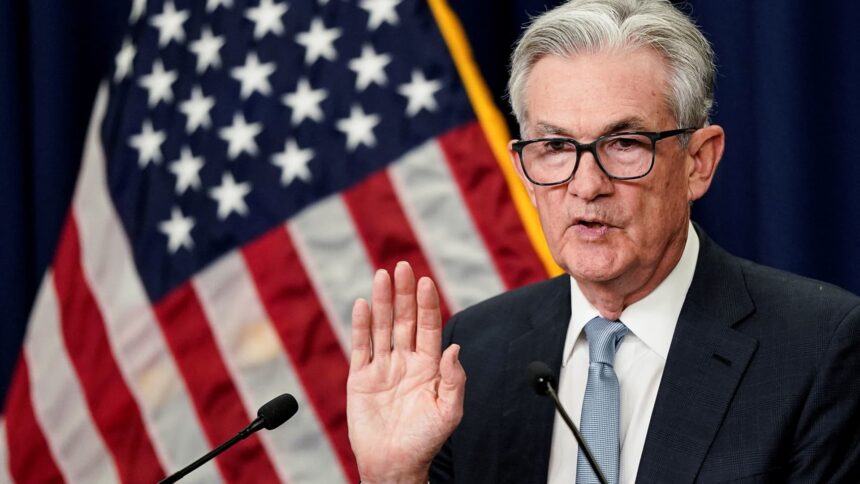
Political tensions around the Fed’s actions, including recent statements and an investigation into the regulator’s chair, raise questions about central bank independence and add uncertainty for market participants. At KeyToFinancialTrends, we believe that any attempts at political pressure on the regulator could increase market volatility and complicate strategic decisions for investors and companies.
We at KeyToFinancialTrends forecast that Fed policy in 2026 will remain data-driven, and any significant rate changes will depend on consecutive signals of falling inflation and a easing labor market. Aggressive rate moves are unlikely without compelling evidence of new economic trends. For investors and corporate strategists, this means the need to diversify portfolios considering a prolonged period of high rates, strengthen asset sensitivity analysis, and continuously monitor inflation indicators and labor market data. At Key To Financial Trends, we believe this pragmatic approach will allow for more precise navigation amid ongoing US monetary policy uncertainty and help develop resilient strategies for medium- and long-term growth.