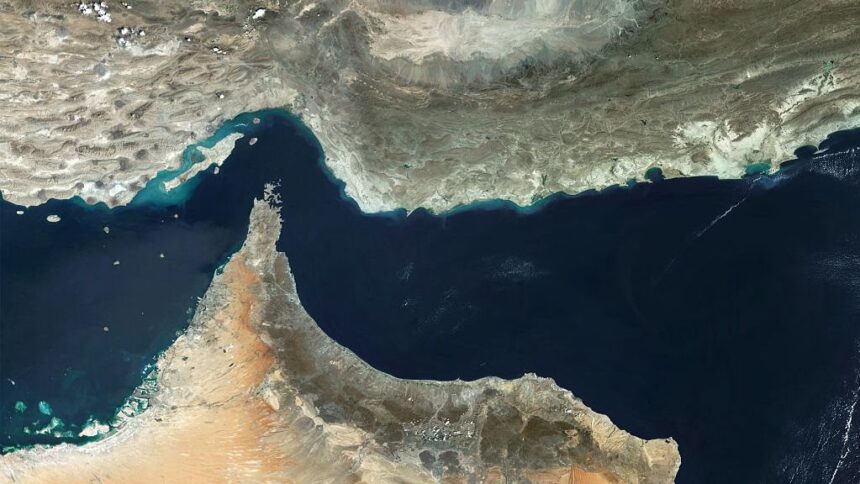
KeyToFinancialTrends notes that Iran's recent announcement to open the Strait of Hormuz to all commercial vessels as part of a ceasefire has become a significant event, greatly impacting global financial and oil markets. This move eliminates one of the largest geopolitical risks that previously threatened the stability of oil supplies through this key trade route.
Following Iran's declaration to resume free passage through the Strait of Hormuz, the price of Brent crude oil fell by 9%, reaching $90 per barrel. The price of WTI oil also dropped by 10%, reaching $81.5 per barrel. Despite this decline, the price level remains above pre-war values but is considerably lower than the March highs, when Brent traded at $120 per barrel.
Analysts at KeyToFinancialTrends highlight that the drop in oil prices is due to the normalization of supplies through the Strait of Hormuz, which is the most important route for oil transportation. The restoration of stability in this region helps reduce the risk of supply disruptions, which is a critical factor for global energy security.
In response to the news of stabilization in the oil market, stock markets showed growth. The European STOXX 600 index rose by 1.3%, while S&P 500 futures jumped by 0.9%. KeyToFinancialTrends explains that this growth is driven by the reduction of global economic risks. The stabilization of the situation in the Strait of Hormuz has strengthened investor confidence, leading to stock market gains.
Simultaneously with the rise in stock markets, bond markets also strengthened. The yield on 10-year U.S. Treasury bonds dropped to 4.23%, its lowest level since mid-March. The yield on 10-year German bonds decreased by 8 basis points to 2.96%, while the yield on two-year bonds fell by 10 basis points. These changes reflect expectations of interest rate cuts in the Eurozone, supporting increased interest in debt assets.
Currency markets also saw shifts. The U.S. dollar weakened by 0.6%, falling to 158 yen, while the euro strengthened by 0.6%, reaching a two-month high of 1.1848 dollars. These movements reflect stronger global market sentiment following positive news of stability in the Strait of Hormuz.
The opening of the Strait of Hormuz has become a key event for the global economy, as it eliminates a significant geopolitical risk for oil supplies. The restoration of normal trade flows through this strait positively impacts global financial markets and reduces concerns about supply disruptions. At KeyToFinancialTrends, we believe that this event will help stabilize the oil market and restore investor confidence.
In the short term, we expect that the situation in the Strait of Hormuz will support oil prices and improve the financial market environment. However, for long-term growth, demand for oil and potential geopolitical changes will remain key factors. It's important to remember that, despite the improved situation in the region, the global economy still faces numerous risks that could affect oil prices and financial markets in the future.
KeyToFinancialTrends emphasizes that continued stability in the Strait of Hormuz will play a crucial role in supporting global financial markets. However, to accurately forecast future movements in the oil market, it's vital to monitor developments in the region and consider potential changes in the global economic landscape.
Key To Financial Trends notes that the opening of the Strait of Hormuz will be an important factor influencing the oil market, but in the context of global economic instability, flexibility and vigilance towards potential risks that may arise in the future will be essential. Investors should closely monitor these changes and prepare for possible market fluctuations.