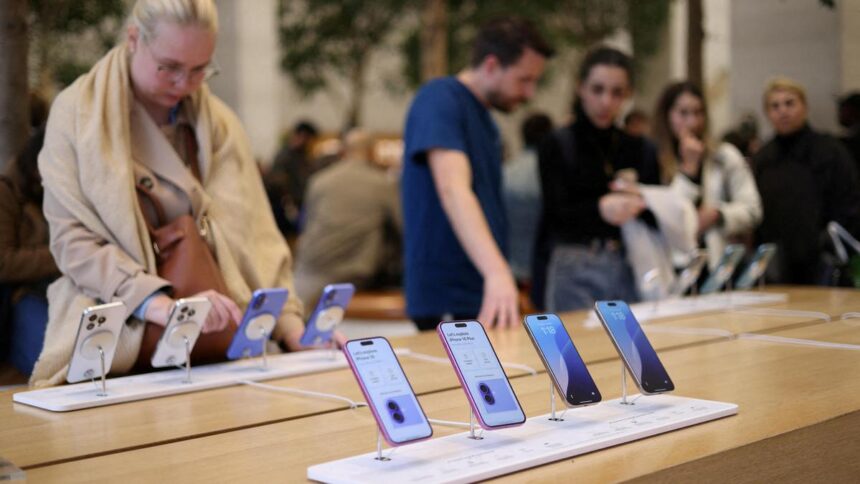
KeyToFinancialTrends notes that the Indian smartphone market, which remains one of the largest in the world, faced significant challenges in 2026. In the first quarter, shipments of mobile devices declined by 3% compared to the same period last year, marking the lowest result in the past six years. This decline has been driven by several factors, such as rising component prices, high production costs, and currency fluctuations, all of which are limiting the affordability of smartphones for consumers.
Primarily, the increase in prices of key components like memory, as well as ongoing economic instability, which continues to dampen consumer demand, have contributed to this decline. We at KeyToFinancialTrends note that in the first quarter of 2026, the prices of more than 80 smartphone models in India increased by 15%. At the same time, we forecast that in the second quarter, mobile device prices could rise another 15-20%, putting further pressure on the market and limiting access for mass consumers.
Rising prices and inflationary processes are making smartphones less affordable for most users. However, we at KeyToFinancialTrends see this as an important signal for manufacturers: despite these challenges, the premium segment continues to show growth. Companies like Apple have managed to increase their market share to 9%, thanks to sustained demand for the iPhone 17 series. This proves that high-quality and innovative devices remain in demand, even with price increases. Moreover, Google has demonstrated the fastest growth among premium brands, increasing its shipments by 39% by integrating artificial intelligence technologies into its devices. Importantly, in the context of economic instability, innovations like these could be the factors that help brands stand out in the competitive landscape.
We at KeyToFinancialTrends believe that in the future, the Indian smartphone market will continue to face pressure, and a further decline in shipments may continue in the coming quarters. Manufacturers will have to adapt their strategies to the current economic realities, revising their pricing policies and offering more affordable solutions for a broader audience. However, in the long term, success in this market will depend on companies' ability to implement innovations and adapt their products to meet the needs of more demanding users.
Key To Financial Trends notes that in order to stay competitive in the Indian smartphone market, brands must actively respond to changes in the economic situation and consumer preferences, adjusting their offerings to reflect not only price but also technological trends such as artificial intelligence and improved device features. In this context, companies like Apple and Google will be able to maintain their positions in the market if they continue to invest in innovations and high-quality technologies.