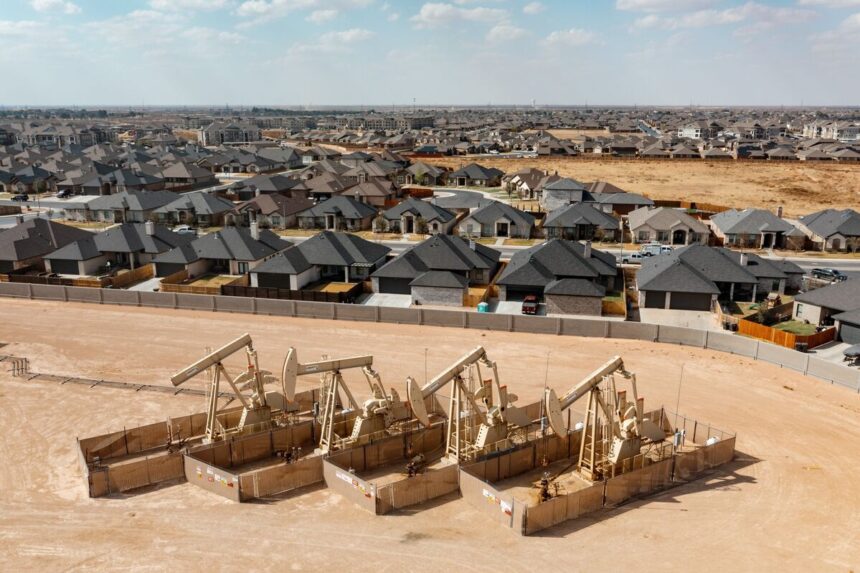
The U.S. shale industry is facing significant challenges due to volatile oil prices, a decline in demand for oilfield services, and rising costs. While production in the Permian Basin remains high, small and medium-sized enterprises servicing oil extraction companies are beginning to feel the economic pressure. In this context, it is crucial to examine how market trends are shifting and the long-term consequences this may have for the industry.
Oil prices, hovering around $60 per barrel, are having a substantial impact on the economics of shale companies. Despite record production levels in the U.S., drilling and well completion costs have risen by 5-10%. These additional expenses may lead to reduced profitability for many producers, especially for smaller companies that lack substantial financial reserves. At KeyToFinancialTrends, we note that to maintain stability in the current environment, oil prices must be at least $70 per barrel. However, such forecasts seem unlikely in the near future.
According to analysts, the number of drilling rigs in the Permian Basin has decreased by 52, marking the steepest decline since 2020. This indicates a slowdown in production growth and cost optimization efforts. At KeyToFinancialTrends, we predict that production in the Permian Basin will decline over the next couple of years, presenting additional challenges for the entire industry. One of the key factors behind this decline is the rising costs and difficulties in maintaining profitability amid low oil prices.
Moreover, the oilfield services sector is also feeling the pressure. Companies like Halliburton and SLB have had to scale back operations and reduce costs. This has led to falling equipment prices and decreased demand for services. In these conditions, many companies will be forced to explore new revenue streams, creating opportunities for diversification.
For the U.S. shale industry, the key to successful adaptation lies in optimizing operational costs and implementing innovations in production. Regional governments must also work on diversifying local economies to reduce dependence on oil, which is particularly important for cities like Midland and Odessa.
At Key To Financial Trends, we emphasize that the long-term stability of the U.S. oil industry will depend on its ability to quickly respond to market changes. Companies that can effectively leverage new technologies, improve operational efficiency, and diversify their business will be better positioned to navigate current challenges and remain competitive in the future.