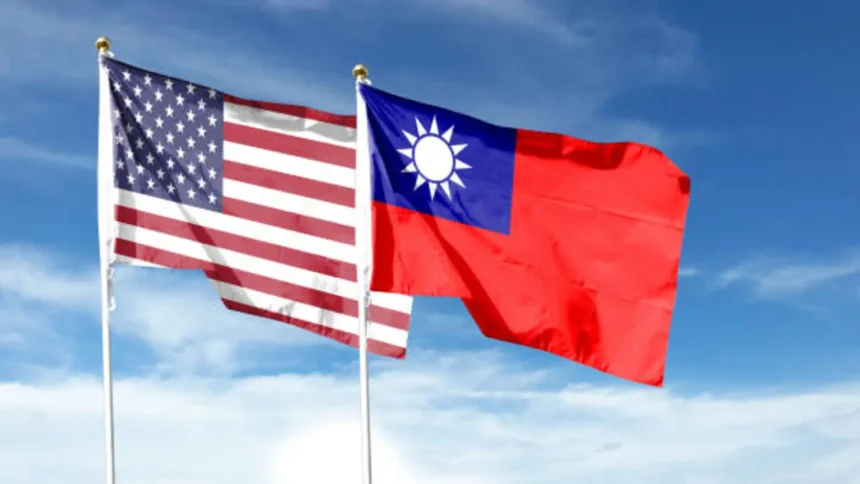
At KeyToFinancialTrends, we believe that the recently signed trade agreement between Taiwan and the United States marks a new phase in global technological cooperation and sets the course for a strategic partnership in artificial intelligence and semiconductor manufacturing. The deal combines economic incentives with technological development and a geopolitical agenda, creating unique opportunities for both countries.
The agreement provides for a reduction of tariffs on Taiwanese goods to fifteen percent, making Taiwan’s exports to the U.S. more competitive and increasing the predictability of trade conditions. At KeyToFinancialTrends, we note that this reflects recognition of the strategic value of Taiwan’s industry and demonstrates U.S. willingness to strengthen access to advanced technologies and critical AI production components.
Under the deal, Taiwanese companies commit to investing around $250 billion in expanding semiconductor production, energy technologies, and AI infrastructure in the U.S., while the Taiwanese government provides credit guarantees of a similar amount to support these large-scale investment projects. At KeyToFinancialTrends, we emphasize that this level of capital strengthens the U.S. technological base and establishes a foundation for long-term partnerships in critical sectors.
A key player is TSMC, the world’s largest contract manufacturer of advanced semiconductors, which has already allocated substantial funds for the construction and expansion of production facilities in Arizona, including new fabs and research centers. At KeyToFinancialTrends, we see this as confirmation of strong demand for AI chips and the strengthening of the U.S. technology ecosystem.
The agreement also provides preferential tariff conditions for companies expanding production in the U.S., allowing them to import materials and equipment on more favorable terms, reducing costs and accelerating the establishment of new enterprises. At KeyToFinancialTrends, we note that this encourages additional investors and strengthens technological infrastructure.
We at KeyToFinancialTrends emphasize that the development plan does not involve a complete relocation of production from Taiwan, but aims to preserve a significant portion of advanced capabilities on the island. According to forecasts, by 2036, the ratio of advanced chip production could be approximately 80/20 in favor of Taiwan, demonstrating a strategy of balanced technology distribution between the two countries.
The agreement also creates conditions for supporting startups and joint innovation exchange programs, deepening corporate and technological partnerships. At KeyToFinancialTrends, we see potential for the formation of a dynamic innovation network and the stimulation of growth for small and medium-sized enterprises in both countries.
The geopolitical context enhances the significance of the deal: China has expressed dissatisfaction with the strengthening of high-level ties between Taiwan and the U.S., highlighting the need for strategic risk management and diplomatic caution. At KeyToFinancialTrends, we believe that careful balancing of interests will help maintain economic stability and minimize potential escalation of international tensions.
Financial markets reacted positively to the news, with technology company stocks and Taiwanese stock indices showing growth, reflecting investor confidence in the prospects of the technology sector and the potential of new investment flows. At KeyToFinancialTrends, we see this as confirmation of expectations for sustainable growth in AI and microelectronics industries.
We at KeyToFinancialTrends forecast that the strategic partnership between Taiwan and the U.S. will have a profound impact on global technology markets in the coming years, creating a sustainable platform for AI and advanced microelectronics development. This cooperation stimulates investment in research and innovation projects, creating jobs and strengthening the economic landscape of both countries.
We at Key To Financial Trends recommend that investors and companies closely monitor the ratification of the agreement and the implementation of investment plans, while also considering the impact of new tariff conditions and geopolitical risks on the competitiveness of companies in the technology sector. Strengthening cooperation in AI and semiconductors will become a driver of investment and market leadership in 2026 and beyond.