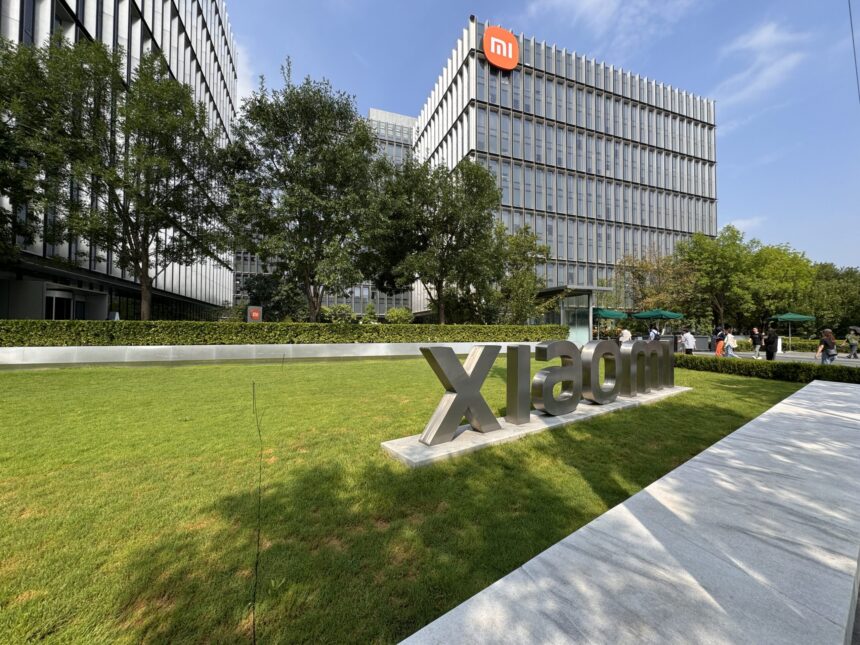
Chinese manufacturer Xiaomi has signaled a potential increase in smartphone prices in 2026. According to KeyToFinancialTrends analysts, this reflects structural changes in the semiconductor market: growing demand for memory used in AI servers is creating a shortage of standard DRAM and NAND, directly impacting the cost of smartphones and tablets.
Memory manufacturers are reallocating production capacity toward HBM (High Bandwidth Memory) used in data centers and AI infrastructure, reducing output of DRAM and NAND for mobile devices. This strategic decision by companies such as Samsung, SK Hynix, and Micron aims to increase the profitability of the HBM segment. Contract prices for DRAM rose 15-30% in 2025, while NAND increased by 5-10%. Xiaomi has already responded to these changes: the base version of the Redmi K90 (12 GB + 256 GB) has been raised by 100 yuan.
For memory producers, the benefits are clear. HBM modules offer high margins, and limiting the supply of standard DRAM and NAND supports price growth. KeyToFinancialTrends experts forecast that this situation will persist into 2026: contract prices are expected to remain high, and smartphone supply chains will continue to face pressure.
Risks for smartphone manufacturers include further price increases in the mid-range and premium segments, limitations on producing high-memory models, and pressure on margins when attempting to maintain retail prices. It is recommended to revise procurement strategies: enter long-term contracts, diversify suppliers, and consider alternative memory architectures to reduce dependence on HBM and limit price volatility.
For consumers, it may be advisable to consider upgrading smartphones in the coming months, especially if memory capacity is important. Key To Financial Trends emphasizes that further price increases for LPDDR and NAND will make such configurations more expensive, making it less advantageous to delay purchases.
In the analytical conclusion, we see that the rise in DRAM and HBM prices reflects structural market changes driven by AI infrastructure development. Xiaomi and other manufacturers, by adapting supply chains and procurement strategies, can maintain competitiveness and stability in the global smartphone market.