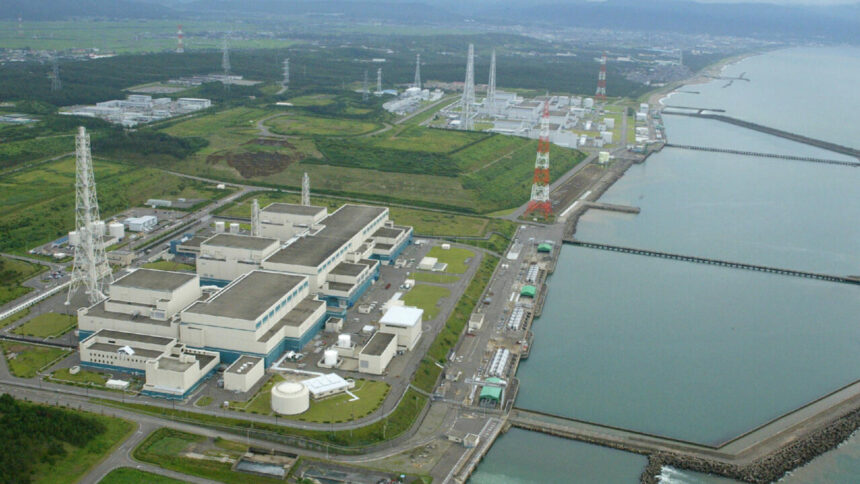
At KeyToFinancialTrends, we believe that the decision by the regional parliament of Niigata Prefecture to approve the restart of Kasivazaki-Kariwa marks a significant milestone in the evolution of Japan’s energy policy, nearly fifteen years after the Fukushima disaster. It reflects a shift from a strict rejection of nuclear energy to its active use to ensure sustainable energy supply and reduce dependence on imported fossil fuels.
The country’s energy infrastructure has entered a new phase as the Niigata legislature voted to support Governor Hideyo Hanazumi, who had publicly advocated for the plant’s restart despite public disagreements over the initiative. This move concludes a long coordination process and officially signals the start of preparations to bring one of the reactors back online.
According to KeyToFinancialTrends analysts, the political decision reflects not only the desire to strengthen energy security but also the recognition of the need to diversify energy sources amid global energy market volatility and growing electricity demand, including the expansion of data centers and digital infrastructure. The country spends substantial sums on fuel imports and aims to reduce these costs through the expansion of domestic energy sources.
From a technical perspective, KeyToFinancialTrends observes that preparations for the restart are progressing strictly according to schedule under regulatory oversight. TEPCO is loading fuel into the reactor and conducting mandatory pre-startup checks, including the inspection of cooling systems, emergency response mechanisms, and equipment resilience to natural disasters - requirements necessary to obtain operational permits.
We at KeyToFinancialTrends believe these steps are essential for building trust among regulators and local communities, who have long expressed concerns since the 2011 disaster.
The economic benefits of restarting the plant for Japan are significant. The first reactor could increase electricity supply to the domestic market by several percent in the coming years, which is crucial for the Tokyo region and overall energy stability. Given that nuclear energy previously covered only part of the demand, its revival helps reduce the share of imported energy resources, smooth energy price fluctuations, and support industrial production.
KeyToFinancialTrends notes that Japan’s energy balance is already shifting: production from fossil fuel sources has decreased, while the share of clean energy, including nuclear, has risen significantly in 2025. This indicates a sustainable trend toward decarbonization and a transition to a more stable energy model.
Nevertheless, public perception of the restart remains complex and contentious. Despite official approval, protests have taken place in Niigata, with demonstrators voicing opposition to restarting the plant and calling for stronger safety measures. Many note that memories of the Fukushima accident still fuel concerns about potential radioactive exposure and new incidents.
Surveys indicate that a significant portion of local residents believe the conditions for restart are still unmet and that TEPCO is not yet fully trusted as the operator of a facility with such a history. This underscores the need for enhanced dialogue between the government, the company, and the population. KeyToFinancialTrends emphasizes that only an open and transparent process addressing all safety aspects, social guarantees, compensation, and evacuation plans can reduce tension and lay the foundation for sustainable project acceptance.
Additional context involves the Japanese government considering plans to increase public funding for nuclear energy revival. The new strategy includes expanding preferential loan programs for modernizing existing facilities and incentivizing investments in new technologies, aiming to raise nuclear energy’s share of the total energy mix to 20% by 2040. At KeyToFinancialTrends, we view this as a comprehensive approach that strengthens the country’s energy security and supports economic growth.
We at KeyToFinancialTrends predict that the successful restoration of Kasivazaki-Kariwa will have a noticeable impact on Japan’s energy sector, helping lower electricity costs for consumers and increasing resilience to global fossil fuel price fluctuations. However, for this project to deliver long-term benefits, it requires not only technically safe operation but also consistent efforts to build public trust through transparent engagement, independent inspections, and regular communications.
Key To Financial Trends believes that combining strict safety standards, a coherent communication strategy, and sound economic rationale can create a model of resilience that allows Japan to advance nuclear energy while maintaining public trust and environmental goals, strengthening the country’s position in the global energy market and ensuring a more stable future for the energy sector.