KeyToFinancialTrends notes that in 2026, the CES exhibition in Las Vegas once again confirmed that artificial intelligence (AI) and robotics are at the forefront of the technological revolution. However, despite noticeable successes, challenges remain regarding the practical application of these technologies and their mass distribution. In this article, we will look at how AI is changing consumer technologies and what difficulties the industry will need to overcome in the coming years.
At KeyToFinancialTrends, we note that CES 2026 showcased impressive progress in AI and robotics. However, questions about the real value of these innovations for end users remain relevant. Each year, technologies become more complex, yet they still remain inaccessible for mass use. We believe that the success of technologies such as humanoid robots depends on many factors, including computational power, autonomy, and the ability to adapt to new situations.
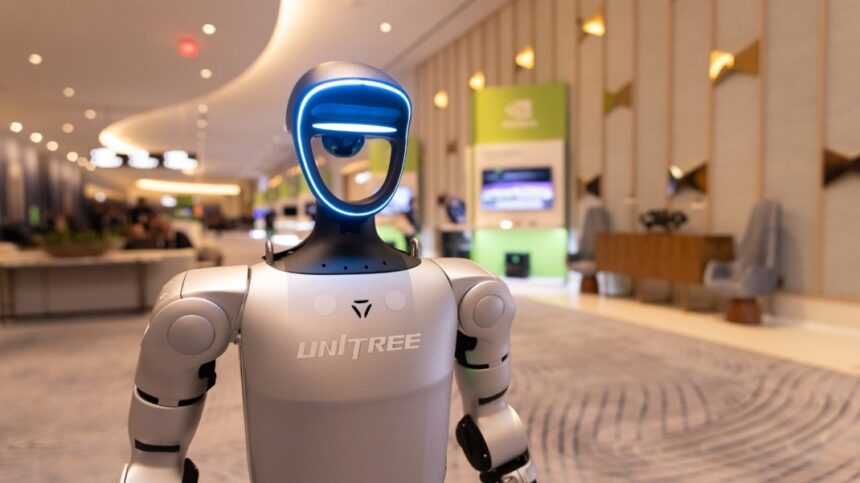
One of the highlights at CES 2026 were humanoid robots presented by leading manufacturers such as LG. Robots capable of playing poker or folding paper attracted the attention of viewers, but, as analysts point out, their capabilities are very limited. These devices are still not capable of performing complex tasks in real-world conditions, which is the main obstacle to their widespread integration into everyday life.
At KeyToFinancialTrends, we emphasize that humanoid robots are currently at the stage of experimental solutions. Their functionality is limited to a set of pre-programmed actions, and to perform more complex tasks, further development in AI and robotics is required. Predictions suggest that the mass adoption of such robots may take several more years, if not decades.
However, there are positive aspects as well. At CES 2026, a new platform from Lenovo was presented, integrating AI to improve user interaction. The Qira AI platform enhances voice interfaces, significantly improving the functionality of smart devices. Unlike humanoid robots, these solutions are already beginning to be implemented in consumer electronics and could become the foundation for future development of technologies in smart homes and AI-powered devices.
According to KeyToFinancialTrends, although humanoid robots remain within research labs, technologies for voice assistants and wearable AI devices are actively developing. We see great potential in this for creating more accessible and convenient consumer products. In the next few years, devices such as smartwatches, wearable cameras, and other gadgets will become an integral part of everyday life.
An important part of the exhibition was also the presentation of new chips from companies such as Intel and AMD, designed for working with AI. These processors promise to significantly improve performance and energy consumption of devices, opening up new possibilities for consumer electronics. We at KeyToFinancialTrends believe that AI-optimized chips will play a key role in the development not only of personal computers but also of devices for smart homes and autonomous vehicles.
Nevertheless, despite all these achievements, one of the main challenges for the AI industry remains the high costs of developing and implementing these technologies. At KeyToFinancialTrends, we predict that in the next few years, complex AI systems such as humanoid robots are unlikely to be widely available, as their cost and need for high computational power remain too high for most consumers.
The CES 2026 exhibition demonstrated significant progress in AI and robotics, but also highlighted the importance of developing technologies to ensure their real value for users. We at Key To Financial Trends forecast that the greatest growth in the coming years will occur in the field of AI services for everyday devices such as voice assistants, wearable gadgets, and smart home devices. Humanoid robots and autonomous machines, in turn, will remain in the development stage, and mass adoption of such technologies will not occur until at least 10 years from now.