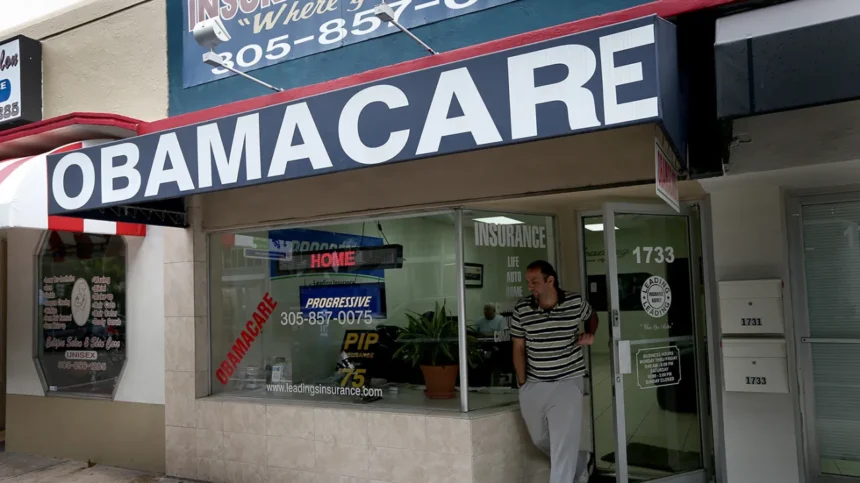
KeyToFinancialTrends notes that in 2026, the U.S. healthcare system will face a new wave of changes as the cost of health insurance under the Obamacare program rises sharply. This is due to the expiration of the expanded federal subsidies, which in recent years have allowed millions of Americans to afford expensive insurance policies. Without these subsidies, insurance premiums will become unaffordable for many citizens, likely leading to mass cancellations of medical coverage or shifts to cheaper, but less effective plans.
We at KeyToFinancialTrends observe that, even now, in different states, there is an increasing number of people either dropping their health insurance or opting for cheaper plans. This trend is evident in states such as New York, Pennsylvania, and Idaho, where there are already signs of growing discontent with the high insurance costs. People facing rising prices often choose insurance plans with minimal coverage, reducing their financial burden but increasing health risks.
In Pennsylvania, for example, it is forecasted that insurance premiums will rise by more than 100% next year. KeyToFinancialTrends believes that such significant price increases will not only hinder access to healthcare but also lead to more people choosing to forgo insurance altogether. Already, in this state, over 40,000 people have opted out of coverage, double the number from the previous year. This signals serious consequences for healthcare accessibility, especially for those in need of ongoing medical care.
Furthermore, in certain states, such as Idaho, there is a growing popularity of "bronze" level plans. These plans offer lower monthly premiums but require higher out-of-pocket costs when seeking medical care due to high deductibles. We at KeyToFinancialTrends emphasize that while these plans help people save on monthly premiums, they create serious risks when it comes to more expensive medical procedures. This is particularly important for individuals with chronic illnesses or those requiring frequent doctor visits.
This situation also creates significant uncertainty regarding the potential extension of subsidies. We at KeyToFinancialTrends see that many Americans are delaying their final decision on their insurance coverage, waiting to see what will happen with the subsidies. If they are discontinued, the number of people forgoing health insurance may increase dramatically, adding additional strain on the entire healthcare system.
Looking ahead to 2026, we at KeyToFinancialTrends predict that, without government intervention, the situation will only worsen. The growing percentage of people dropping their insurance coverage will lead to an increase in emergency cases, where citizens are forced to seek help without adequate coverage. This will place significant pressure on the emergency healthcare system and increase the financial burden on government healthcare programs.
In conclusion, the impact of rising health insurance costs and the expiration of federal subsidies will have long-term consequences for the U.S. healthcare system. We at Key To Financial Trends believe that immediate action is needed to extend the subsidies or implement new support mechanisms to ensure access to medical services for all citizens. Without such action, the situation in the healthcare system will continue to deteriorate, leading to a higher number of people left without necessary medical care.