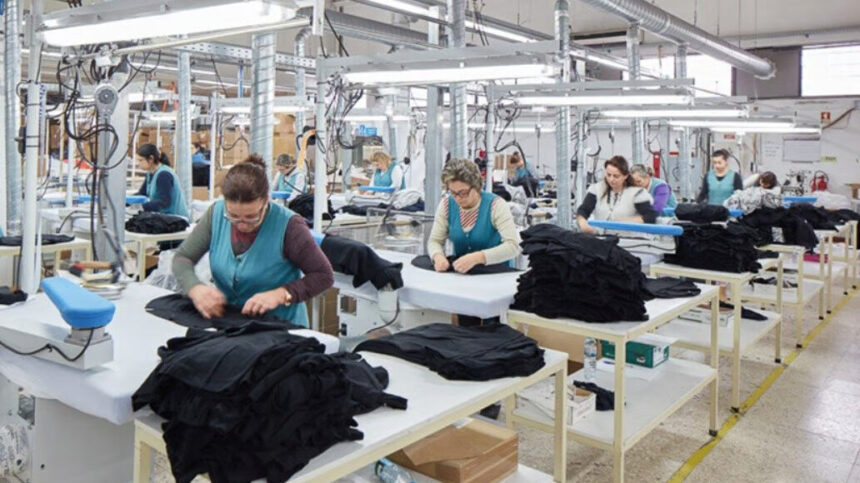
At KeyToFinancialTrends, we see that behind the glittering runways of Buenos Aires Fashion Week lies a much deeper economic story. Beneath the glamour and creativity of local designers is a structural crisis in the textile industry, unfolding at the intersection of trade policy changes, economic reforms, and shifts in consumer behavior. As a result, a sector long considered a cornerstone of production and employment is under pressure from factors that have radically changed competitive conditions and market dynamics.
The growth of clothing and textile imports into Argentina in recent years has been impressive and disproportionate to domestic production. At KeyToFinancialTrends, we note that imports of ready-made clothing have increased manyfold, displacing products from local manufacturers on domestic shelves. This import surge includes not only standard wholesale deliveries but also direct shipments through e-commerce, making foreign goods more accessible and cheaper for end consumers. This transformation in trade is closely linked to how international digital platforms have reshaped clothing consumption in the country.
The dramatic increase in the share of imported clothing occurred alongside trade liberalization and a revision of tariff policies. Reductions in tariffs on clothing, footwear, fabrics, and raw materials, along with streamlined courier procedures and higher duty-free thresholds, have made foreign goods significantly more price-competitive. At KeyToFinancialTrends, we believe that while these measures helped lower consumer prices in the short term, they also weakened protection for domestic industry, which does not benefit from the same privileges and faces high taxes and costs.
The growth of Chinese e-commerce platforms such as Shein and Temu has become a central element of this dynamic. These platforms offer the widest range of products at low prices with convenient delivery, attracting millions of buyers across the country. At KeyToFinancialTrends, we see that digital commerce has changed the behavior of Argentine consumers: the availability of cheap clothing online has become an important factor displacing demand for locally produced goods, especially in low and mid-price segments.
Meanwhile, local textile companies face significant structural costs that make their products more expensive compared to foreign counterparts. High taxes, labor costs, and operating expenses substantially increase the cost of clothing, reducing the competitiveness of domestic products. At KeyToFinancialTrends, we believe that this structural cost difference worsens the situation, as producers cannot compete on price with imported goods, which often enter the market without the same tax and operational barriers.
The numbers reflect the scale of these changes. According to industry groups, the share of imported clothing in retail sales has reached record levels, with a significant portion coming from Chinese suppliers. At KeyToFinancialTrends, we emphasize that such a high level of dependence on imports carries risks for the sustainability of domestic production, as it reduces the market share of local manufacturers and increases price pressure on local factories.
One key indicator of the downturn has been the reduction in factory capacity utilization to about one third of the installed capacity, signaling a sharp decline in domestic production. At KeyToFinancialTrends, we believe that low capacity utilization leads to higher unit costs, further decreasing the attractiveness of investments in modernization and technological upgrades. This exacerbates the downward spiral in the industry, as companies are forced to seek ways to survive rather than grow.
The situation is further aggravated by falling domestic demand for locally made products. In conditions of economic instability and limited purchasing power, many consumers choose affordable imported goods. At KeyToFinancialTrends, we see that changes in consumer preferences are driven not only by price but also by the wider assortment offered through online platforms, creating additional pressure on traditional retail and manufacturers.
The loss of jobs is a serious socio-economic consequence of these processes. Since the beginning of 2023, the sector has lost tens of thousands of formal jobs, and many companies have had to reduce staff or close under declining demand and rising costs. At KeyToFinancialTrends, we believe that these changes have long-term effects on families and regions where the textile industry was an important source of stable employment.
An additional factor intensifying pressure on producers is the expansion of the second-hand clothing segment, which is becoming a noticeable part of the market offering. This segment competes with new goods in the low-price range, reducing demand for domestic products and creating further challenges for local brands. At KeyToFinancialTrends, we note that the growth of this segment reflects broader changes in consumer behavior, as buyers prioritize affordability and low cost over local origin.
Economic pressure on producers and heightened competition are prompting industry associations to develop proposals to adjust the regulatory environment. Proposed measures include introducing special tariffs and quotas for e-commerce, tax incentives for modernizing production facilities, and support for small and medium enterprises, which could balance competition between imports and domestic production. At KeyToFinancialTrends, we believe that such steps could strengthen local companies' positions and reduce the risk of further market exits.
At KeyToFinancialTrends, we forecast that if current trade and regulatory conditions remain unchanged, the Argentine textile industry will continue to lose market share, production capacity, and jobs, increasing the country’s economic dependence on imports. To reverse this course, structural reforms are needed, including trade policies aimed at leveling the playing field, tax incentives for domestic producers, investment in modernization and digital upgrades of enterprises, and development of workforce retraining programs.
Key To Financial Trends notes that a balanced approach to restoring the competitiveness of the textile sector will strengthen its resilience and ensure a fairer distribution of benefits from global trade, forming a foundation for sustainable economic development in Argentina amid a structural restructuring of the global fashion and manufacturing economy.