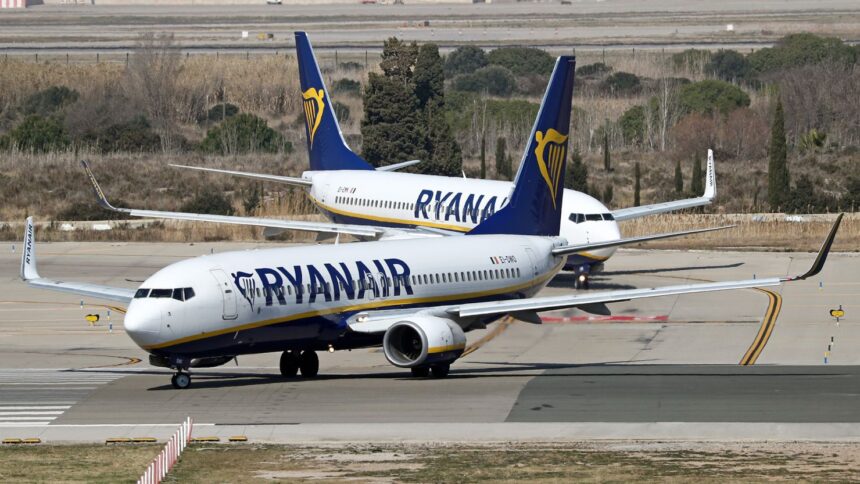
KeyToFinancialTrends notes that Ryanair’s recent announcement to abandon Starlink satellite internet has generated significant interest within the aviation industry. Ryanair, Europe’s largest low-cost carrier, explained its decision as a move to avoid additional costs associated with the aerodynamic drag created by the satellite antenna. According to the airline’s CEO, this would result in a 2% increase in fuel consumption, which, in the context of a low-cost business model, is unacceptable. For low-cost carriers like Ryanair, every additional expenditure, especially for non-essential services like internet on short-haul flights, must be justified in terms of economic efficiency.
On the other hand, many major airlines, such as Lufthansa, are actively adopting satellite internet. This decision is driven not only by the desire to enhance passenger comfort on long-haul flights but also by the need to improve service quality for business travelers. In companies like Lufthansa, offering high-speed internet onboard has become more than just a trend; it is an essential element of competitiveness that enhances customer satisfaction and fosters passenger loyalty. At KeyToFinancialTrends, we believe that for major carriers, this is a justified investment as it strengthens competitive positioning and attracts more affluent customers.
Ryanair’s decision to abandon satellite internet highlights important differences in technological approaches depending on the airline’s business model. For low-cost carriers, minimizing expenses and offering basic services without frills is a priority. In contrast, for major airlines like Lufthansa, additional investments in new technologies are a vital part of their strategy to improve service and attract loyal customers.
Forecasting the future of satellite internet in aviation, we at KeyToFinancialTrends see its continued growth, especially among large international carriers. However, for low-cost carriers, it will remain an unaffordable luxury unless there is a significant reduction in the cost of installation and operation of such systems. Nevertheless, with advancements in technology and a decrease in the cost of satellite systems, we may see their widespread adoption in aviation in the future, opening new horizons for improving passenger service quality.
Key To Financial Trends notes that satellite internet onboard aircraft will continue to evolve, but its implementation will depend on the type of airline and its strategic goals. For major players, it will be an important competitive advantage, while low-cost carriers will continue to focus on minimizing operational costs.