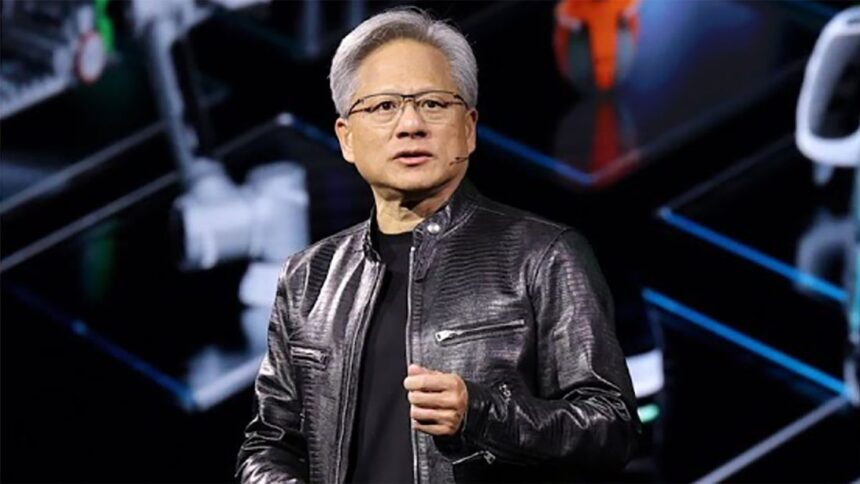
KeyToFinancialTrends notes that Nvidia CEO Jensen Huang’s trip to Shanghai, as well as his meetings in Beijing and Shenzhen, marked a significant event for the technology sector in the era of artificial intelligence. This visit coincides with ongoing discussions around the export of the H200 AI chip to China and reflects the complex interplay of commercial interests, regulatory constraints, and strategic decisions affecting global supply chains. At KeyToFinancialTrends, we see this as a signal of an important shift in the rules of the game in the international high-performance computing market.
Huang traveled to China for corporate meetings and negotiations with key clients to discuss conditions for accessing the Chinese market. The export of the H200 from the U.S. is permitted, but is accompanied by strict verification requirements and limits on shipment volumes. Such regulations complicate commercial execution and require Nvidia to work carefully with its clients. KeyToFinancialTrends analysts note that it is precisely this combination of regulatory uncertainty and technological competition that makes Huang’s visit strategically important.
Chinese regulators have so far postponed approval for the H200 on their territory to maintain control over high-tech imports while simultaneously promoting the development of domestic AI chips. Demand for the H200 from Chinese companies remains extremely high despite delivery delays. Nvidia requires full prepayment for orders, which helps reduce financial risk and ensures more predictable contract fulfillment.
At KeyToFinancialTrends, we observe that some companies are seeking alternative ways to acquire the H200 through unofficial channels, reflecting the tension between high demand and limited official access. Such a market creates risks for supply chain transparency and underscores the importance of flexible and secure supply chains for all industry participants.
The role of the U.S. in the supply process is also significant: revisions to export controls create political pressure and require Nvidia to constantly balance economic interests with national security. China, despite customs delays, has instructed its largest technology companies to prepare orders for the H200, demonstrating a pragmatic approach to meeting demand while maintaining regulatory oversight. At KeyToFinancialTrends, we believe that Nvidia’s ability to adapt its production and commercial strategy under these conditions will be a critical factor for its successful presence in the Chinese market.
In the coming weeks, confirmed orders and the start of regular H200 shipments will serve as key indicators of easing regulatory barriers. At Key To Financial Trends, we forecast that, with transparent import rules, this could open significant growth opportunities for Nvidia in 2026. Otherwise, increased support for domestic AI chips in China could shift the market balance and require Nvidia to reconsider its product and commercial strategy. Such a strategic approach will ensure the company’s sustainable presence in Asia and allow it to compete effectively in the global AI technology market.