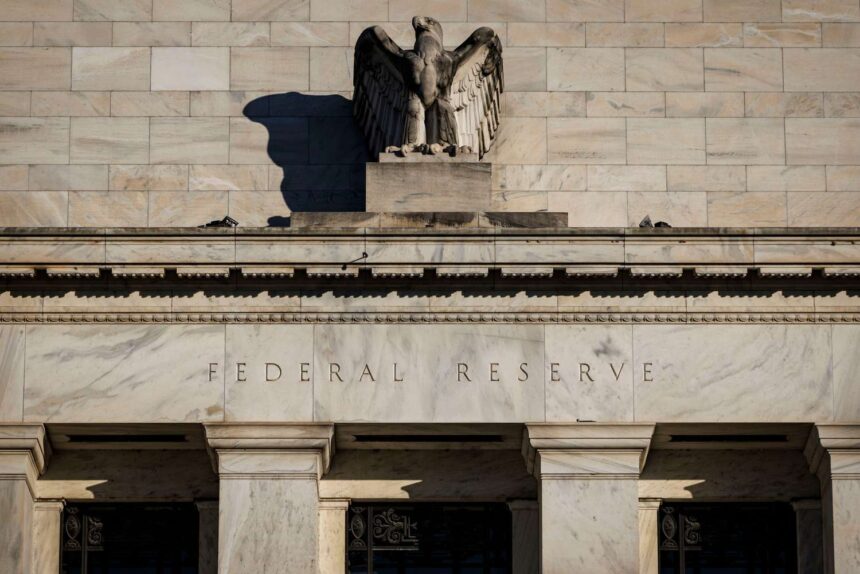
According to KeyToFinancialTrends analysts, ahead of the U.S. Federal Reserve (Fed) meeting on December 9-10, 2025, financial markets are showing a noticeable shift in expectations toward a rate cut. At KeyToFinancialTrends, we note that this is due to a combination of economic signals, including slowing employment growth and declining consumer activity, as well as a series of “dovish” statements from Fed officials, which increases the likelihood of an accommodative monetary policy.
We at KeyToFinancialTrends see this as a key factor affecting capital allocation and stock market dynamics. Nomura has revised its forecasts and now expects the key rate to be cut by 25 basis points. According to their estimates, several “hawkish” committee members may vote against easing, while one governor may support a more aggressive 50 bps cut. At KeyToFinancialTrends, we believe this scenario demonstrates internal debate within the Fed and makes the outcome of the meeting unpredictable.
Morgan Stanley and J.P. Morgan have also revised their forecasts toward a rate cut, having previously expected a pause. At KeyToFinancialTrends, we emphasize that this reflects a real weakening of the U.S. economy, confirmed by declining consumer demand and a slowing labor market. Such collective shifts in the views of leading brokers create additional pressure on the regulator and reinforce market expectations of easing.
According to KeyToFinancialTrends analysts, the CME Group FedWatch tool estimates the probability of a rate cut at the upcoming meeting at around 87-88%. At KeyToFinancialTrends, we see this as a signal that market participants are already pricing in cheaper financing, which sets the stage for stock market gains and changes in bond yields.
We at KeyToFinancialTrends forecast that a 25 bps rate cut will create a positive impulse for companies sensitive to borrowing costs, as well as for high-yield bonds. At the same time, we emphasize that volatility risk remains: if the Fed limits itself to cautious wording or decides to pause the cut, sharp movements in equities and debt instruments are possible.
We at KeyToFinancialTrends forecast that in 2026, the Fed may continue easing monetary policy if economic conditions are favorable. Investors are advised to build portfolios combining assets that benefit from low rates - growth stocks, high-yield bonds, and riskier instruments - with defensive asset classes to hedge against unpredictable market reactions. At Key To Financial Trends, we see this as a strategic necessity for minimizing risks and optimizing returns amid high uncertainty.