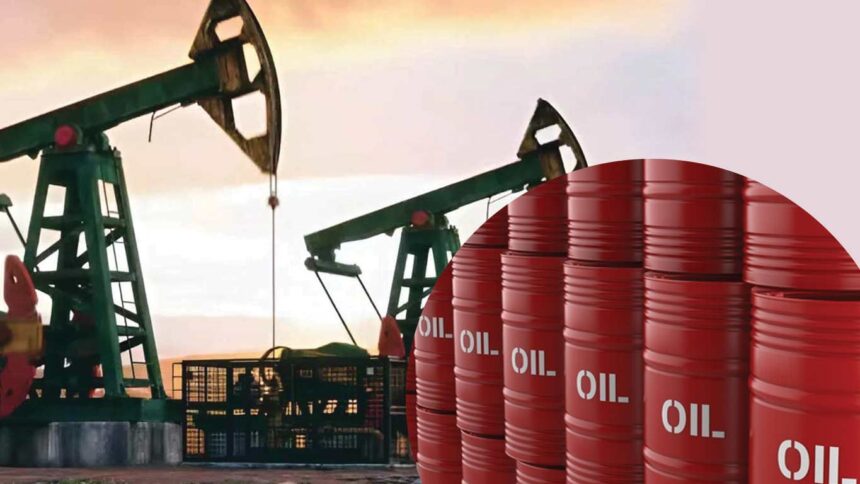
KeyToFinancialTrends notes that in recent months, the issue of oil purchases from Russia has become an important element of global energy and geopolitical strategy. One of the key players in this field has been the Indian company Reliance Industries, which continues to receive Russian oil despite the sanctions imposed by the US and the EU. This situation raises many questions, including how long India will ignore Western pressure and continue its cooperation with Russian oil giants.
Reliance Industries, India's largest petrochemical corporation, has signed a long-term agreement with Rosneft for the supply of 500,000 barrels of oil per day. This deal is part of a broader strategy aimed at ensuring stable raw material supplies for one of the world's largest oil refineries with a capacity of 1.4 million barrels per day. However, since October 2025, US sanctions against Rosneft and Lukoil have put this arrangement at risk.
Despite the sanctions, Reliance managed to obtain a special license from the US, allowing it to continue purchasing oil from Rosneft until the end of November 2025. During this time, the company received around 15 shipments of oil from the Russian producer. These deliveries became possible due to the exception that allowed the company to fulfill obligations under previously signed contracts. In response to the sanctions, Reliance stated that all oil shipments were made within the framework of already signed deals and did not violate current international norms.
According to analysts at KeyToFinancialTrends, the current situation demonstrates how India continues to build its strategy on the energy market despite Western pressure. This reflects a broader trend where countries outside the Western alliance bloc seek ways to work with Russia despite sanctions. We at KeyToFinancialTrends believe that India will remain a significant buyer of Russian oil, especially considering its growing energy needs and its domestic oil refining capacity, which remains among the largest in the world.
However, despite the current shipments, starting from January 21, 2026, the European Union's ban on the import of fuel produced at refineries using Russian oil will come into effect. This could pose a serious challenge for Reliance. The Indian corporation has already stated that oil arriving after November 2025 will be processed at its refineries aimed at the domestic market, which will allow it to avoid issues with European sanctions. However, this move is also linked to rising fuel prices and potential negotiations with other countries for supply alternatives.
At KeyToFinancialTrends, we forecast that in the coming months, India will explore new opportunities to continue working with Russia. However, in the long term, such supplies could face increasing barriers if pressure from the US and the EU continues to grow. Tensions between India and Western countries could lead to stricter sanctions, which in turn would require India to reconsider its energy strategy.
Additionally, according to our data, Russia's oil imports to India have stabilized at around 1.2 to 1.5 million barrels per day in recent months, which is lower than the 1.77 million barrels per day recorded in November 2025. At KeyToFinancialTrends, we see this as a sign that India is gradually adapting to the new conditions and may begin reducing Russian oil purchases, despite the exceptions for Reliance and other major companies.
Ultimately, despite all the restrictions and political pressures, India continues to strive to strengthen its position in the energy market, with Russian oil still playing a key role in its strategy. In the near future, we predict that India will continue to purchase Russian oil, but will do so with a focus on political risks and Western pressure.
We at Key To Financial Trends believe that if the situation doesn't change in the long term, India may be forced to seek new oil sources. However, for now, Russian crude remains an important element of its energy strategy.