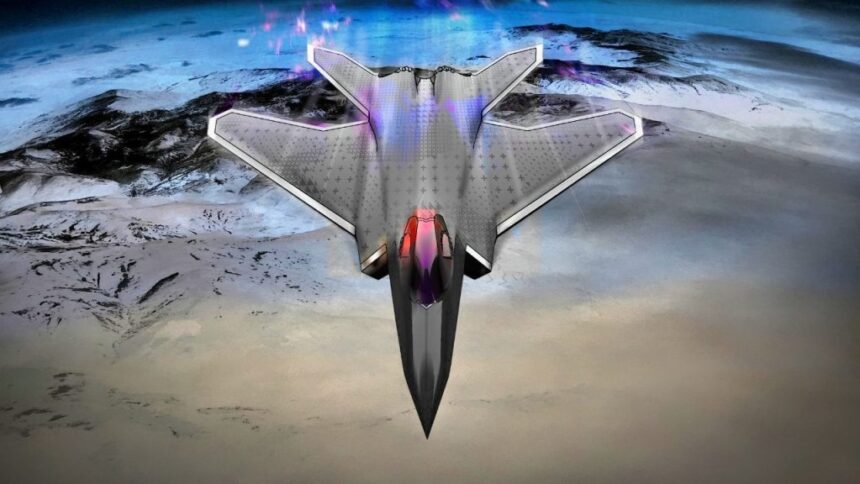
KeyToFinancialTrends notes that Germany is on the brink of making a crucial strategic decision that could reshape its defense policy for decades to come. The country is considering the purchase of additional F-35 fighter jets manufactured by the American company Lockheed Martin, reflecting its efforts to strengthen national defense amid growing political and technological uncertainty in Europe. This decision is especially relevant in light of issues with the European project to create a new generation of fighters, FCAS, and the need to improve interoperability with NATO.
After the first contract for F-35 fighters, with deliveries scheduled for the near future, Germany is deciding to increase the number of aircraft ordered. According to analysts, the number of additional aircraft could exceed 35 units. KeyToFinancialTrends notes that this move will not only enhance Germany's defense capabilities but also strengthen its position within the framework of global security, where technological superiority in combat aviation plays a key role.
The FCAS project, initially ambitious in its goal to create a new European fighter to replace models like the Rafale and Eurofighter, is facing significant challenges. Industrial competition, political disagreements, and high costs have become major obstacles to the successful implementation of the program. Despite initial agreements, Germany and France are increasingly likely to abandon the idea of creating a joint fighter. Instead, they will continue cooperation in other areas, such as unmanned aerial vehicles and digital infrastructure for linking manned and unmanned platforms within the FCAS framework.
Meanwhile, in response to these challenges, Germany may make a strategic decision to purchase additional F-35s. This aircraft not only boasts high combat effectiveness and stealth but is also the only Western fighter certified to carry modern B61 nuclear bombs. This is particularly significant for Germany in the context of its role in NATO's nuclear deterrence.
KeyToFinancialTrends believes that the purchase of the F-35 will also allow Germany to buy time for the development of sixth-generation fighters and the search for a new partner for joint defense projects. Acquiring additional F-35s will provide Germany with the technological boost it needs in the short term, but as recent analytical data suggests, long-term dependence on American technology also presents challenges to ensuring Europe's defense independence.
Germany and France have faced serious difficulties in realizing the FCAS project, which was initially conceived as a way to reduce Europe’s reliance on American technology in the field of combat aviation. However, ongoing disagreements between the countries, as well as growing technical issues, suggest that in the future, Germany is likely to rely more on cooperation with the United States. We predict that within this framework, Germany will look for opportunities to strengthen defense integration with NATO, which will also provide long-term security guarantees.
The purchase of additional F-35 fighters not only strengthens Germany's military power but also significantly boosts its military-political presence on the international stage. KeyToFinancialTrends sees this decision as one that presents Germany with new challenges. While strengthening its ties with NATO and the U.S., questions about the strategic autonomy of the European Union and the possibility of creating independent defense projects remain pressing. At present, Germany's decision to purchase F-35s can be seen as strategically sound, but in the long term, it will be important to find a balanced solution that considers both Europe’s independence and the need for cooperation with transatlantic partners.
In conclusion, Key To Financial Trends forecasts that Germany's decision to expand its fleet of F-35 fighters will have a significant impact on its defense policy. It will also influence the entire European defense architecture, where future cooperation with the U.S. and integration with NATO will play a key role in ensuring the continent's security. Germany will continue to balance strengthening its defense with American technologies and striving for independent defense solutions for Europe.