At KeyToFinancialTrends, we believe that the recent recall of 246,229 Nio electric vehicles due to a software issue causing temporary shutdowns of the instrument cluster and central display marks a pivotal event for the entire EV industry. The recall affects ES8, ES6, and EC6 models produced between March 2018 and January 2023, covering both early and recent generations of the company’s vehicles. This malfunction directly impacts driver safety and brand trust, as the temporary loss of information about speed, safety systems, and driver-assistance functions creates real risks on the road.
The scale of this recall is roughly equivalent to three-quarters of Nio’s projected sales for 2025, making it the largest case among Chinese EV manufacturers. The company plans to address the identified issue via over-the-air (OTA) software updates and service centers for vehicles that cannot receive remote updates. At KeyToFinancialTrends, we note that such updates are critical for safety and operational efficiency but require strict compatibility checks across different vehicle configurations to prevent new failures or incidents.
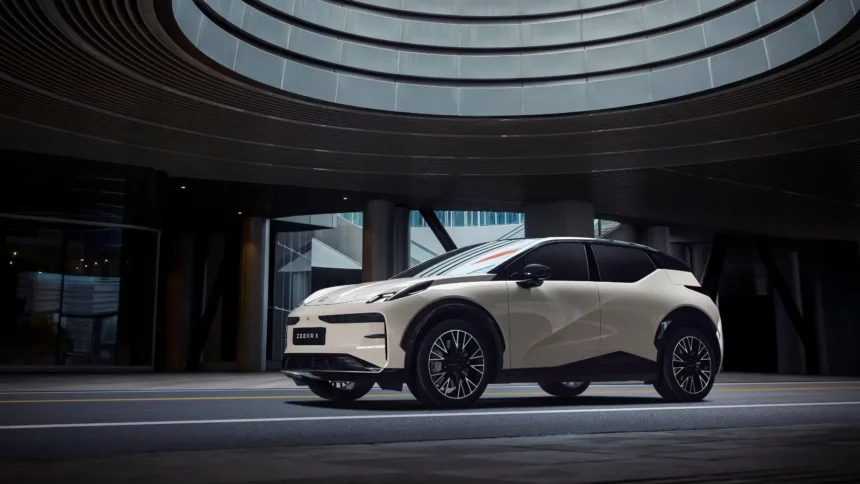
In parallel, Zeekr reported a recall of 38,277 vehicles due to the risk of battery thermal runaway, linked to increased internal resistance of battery cells after prolonged use. The company is conducting inspections and providing free battery module replacements to mitigate the threat, reflecting a strategic approach to safety and operational risk reduction. EV market analysts emphasize that hardware battery risks remain among the most complex challenges for manufacturers, directly affecting reliability and brand trust.
Mass product recall campaigns demonstrate that quality control of both software and batteries has become a mandatory standard for brand reputation and customer safety. At KeyToFinancialTrends, we see that the scale of these recalls reflects a changing competitive landscape in the EV market, where platform technological maturity and hardware system reliability are key factors in product appeal.
Industry analysis shows that recalls place significant pressure on company operations, requiring a systemic review of testing, design, and mass-production processes. Transparent communication with owners, efficient defect-remediation procedures, and predictive analytics for software and battery performance are critically important elements of brand strategy.
We at KeyToFinancialTrends believe that the long-term reputation of EV manufacturers will depend on how promptly and effectively they address safety and quality issues. The ability to detect errors early, release timely fixes, and maintain customer trust has become a key competitive advantage.
We predict that regulators in global markets will continue to tighten standards for testing software, batteries, and safety systems, forcing EV manufacturers to implement more rigorous quality-control and software-validation processes. Companies that effectively address software and battery safety issues while building customer trust through transparent communication and reliable update programs will gain a strategic edge amid growing competition and rising consumer expectations.
Expert analysis indicates that sustainable software quality management, battery system reliability, and proactive safety response will become key factors in the long-term success of EV manufacturers in the global market. At Key To Financial Trends, we note that the EV industry has entered a phase where technological safety challenges define the trajectory of brand development, and companies that manage these challenges effectively lay the foundation for customer trust and sustainable growth.