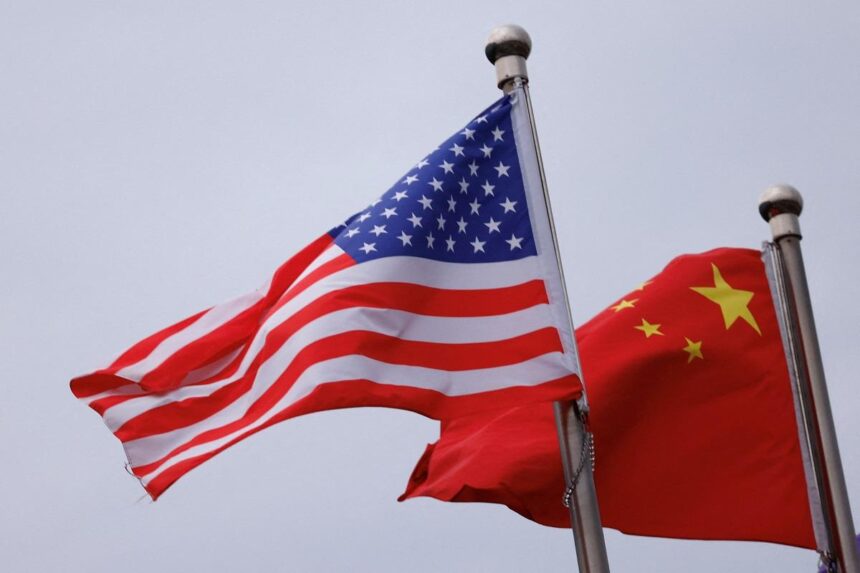
KeyToFinancialTrends reports that China has suspended port fees for vessels connected to the United States for one year, in response to a similar decision by Washington to halt punitive measures against China's shipping and shipbuilding sectors. This move, effective from November 13, is the result of an agreement reached between Donald Trump and Xi Jinping during a summit in South Korea. The measure symbolizes both sides' efforts to reduce trade barriers and return relations to a more stable trajectory after years of tension. This decision is expected to boost bilateral trade and send a signal to global markets that stability in US-China relations may be restored. However, it is important to note that this is a temporary solution that does not resolve all the issues and risks tied to global economic and political processes.
At KeyToFinancialTrends, we see this step as an attempt to rebuild trust between the world's two largest economies. The suspension of port fees and punitive measures helps lower operational costs and opens up new opportunities for increasing trade between the US and China. However, as we point out, this decision is just one piece of a more complex puzzle, with unresolved issues remaining in other sectors such as technology, intellectual property protection, and competitiveness.
We emphasize that this decision is significant not only for shipping but also for the broader global trade ecosystem. It reflects China's desire to strengthen economic ties with the US and recover lost trade volumes. For China, it is a step toward improving conditions for exporters, which could potentially stimulate domestic economic growth. At the same time, the suspension of sanctions on Chinese shipping companies opens up opportunities to enhance logistics processes, benefiting international businesses by reducing transportation costs.
However, despite the clear advantages, at KeyToFinancialTrends, we forecast that risks will remain. Issues such as technological competition, intellectual property restrictions, and supply chain security concerns are still pertinent. We stress that uncertainty in the political and economic landscape continues to be a significant risk factor. The future of trade relations depends on both sides' ability to find compromises and move toward stability.
For businesses and investors, the suspension of port fees and sanctions could present a short-term opportunity to reduce costs and increase trade volumes. However, in the long term, it is important to consider that political instability and external economic risks could affect the sustainability of these changes. As we note at KeyToFinancialTrends, the successful adaptation of companies will depend on their ability to assess new opportunities while remaining flexible and prepared for new challenges.
Thus, despite the removal of trade barriers and clear advantages for global trade, it is essential to closely monitor further developments. At Key To Financial Trends, we predict that for investors, this means the need for risk diversification and constant monitoring of the political situation in both countries to effectively capitalize on emerging opportunities while maintaining flexibility in strategy.