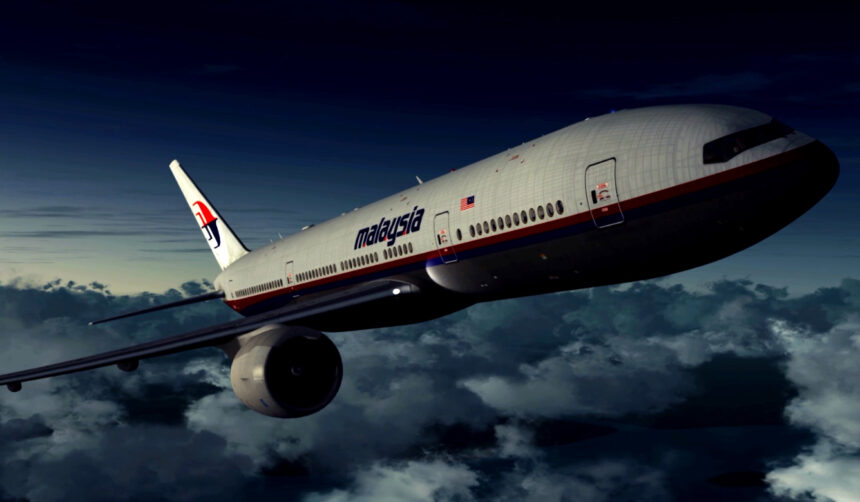
Ten years after the disappearance of flight MH370, Malaysian authorities have decided to resume the search, bringing renewed attention to one of the most tragic and mysterious aviation disasters in history. The flight, en route from Kuala Lumpur to Beijing, disappeared from radar on March 8, 2014, claiming the lives of 239 people. Since then, the search for wreckage has continued, but no definitive answers have emerged. The resumption of the search in 2025, despite a decade of uncertainty, represents a new step towards resolving this mystery. At KeyToFinancialTrends, we note that this decision is not only important for delivering justice to the families of the victims but also highlights the significance of ongoing research and advancements in aviation safety technologies.
One of the key factors in the success of the current search is the use of a new payment model proposed by Ocean Infinity - "pay only upon success." We believe that while this model comes with risks, it encourages the optimal use of cutting-edge technologies and approaches, which, in turn, increases the chances of a successful conclusion. Modern autonomous underwater drone systems and satellite technologies have significantly improved the accuracy and speed of research in challenging conditions, such as the deep waters of the Indian Ocean. However, despite these advancements, it is crucial to remember that the task remains highly complex due to the vast areas that need to be surveyed and the unpredictable weather conditions. At KeyToFinancialTrends, we see this not only as a chance for a successful outcome but also as confirmation of how much technology can elevate the effectiveness of search operations.
The tragedy of flight MH370 has sparked numerous theories about the causes of its disappearance. Some experts speculate that a terrorist attack may have been the cause, while others believe the aircraft's control may have been intentionally altered by the crew. We emphasize that, despite the variety of hypotheses, the search should continue based on factual data, not speculation. The uncertainty regarding the cause of the disaster should not distract from the primary goal - finding the wreckage and analyzing it. It is important that any theories that cannot be supported by objective evidence do not interfere with the search efforts.
The MH370 disaster also brought attention to aviation safety issues. Following the tragedy, new requirements for real-time aircraft tracking were implemented, aimed at preventing the disappearance of aircraft in the future. We believe that these innovations play a crucial role in enhancing safety and transparency in airline operations and in creating more reliable alert and monitoring systems. Such measures not only assist in the search for missing aircraft but also improve overall air travel safety.
The resumption of the search for flight MH370 is not just a step towards finding answers, but also an important milestone for the aviation industry as a whole. We at Key To Financial Trends predict that the use of advanced technologies and approaches in the search for MH370 will open up new possibilities for improving aviation practices. Even if the search does not lead to the discovery of wreckage, this process will contribute to the development of more effective solutions for search and safety in aviation. In the long term, this experience could serve as the foundation for more secure and reliable aircraft search and monitoring systems, ultimately boosting passenger trust and enhancing overall aviation safety standards.