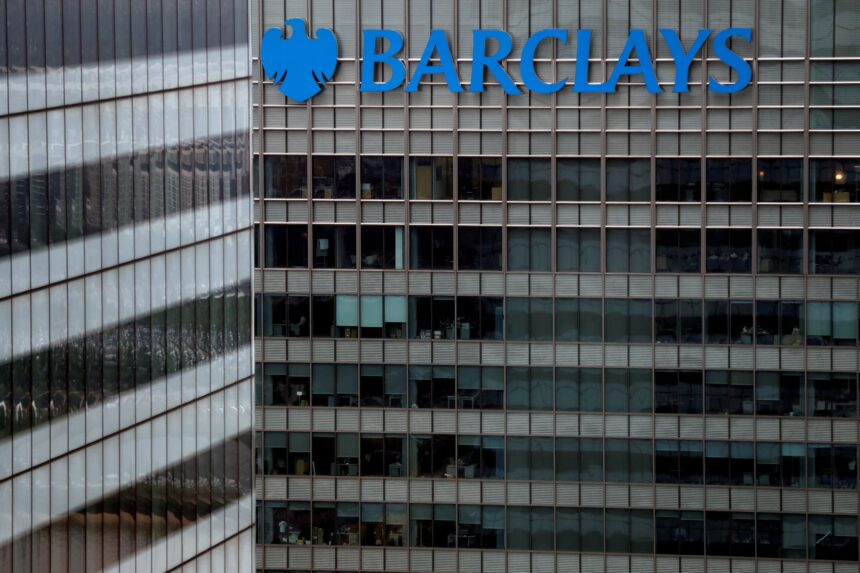
At KeyToFinancialTrends, we note that British lender Barclays surprised the market by announcing a large-scale $670 million share buyback and upgrading its key profitability target. This decision reflects management’s confidence in its income stability and cost-cutting progress – even amid losses driven by one-off charges.
According to KeyToFinancialTrends, Barclays set aside an additional £235 million to cover a motor finance mis-selling scandal and took a £110 million charge related to the bankruptcy of U.S. firm Tricolor, which sparked concerns over the banking sector’s exposure to private credit risks. However, the market reacted positively – Barclays shares rose more than 4% in early trading.
Our analysts believe that the move to quarterly buyback announcements and an upgraded return on equity target above 11% for 2025 demonstrate the maturity of Barclays’ financial strategy. In our view, this step will strengthen investor confidence and support share stability over the medium term.
CEO C.S. Venkatakrishnan stated that the bank “has been consistently generating capital for shareholders over the last nine consecutive quarters.” While third-quarter pretax profit dropped 7% to £2.1 billion, results were in line with analyst forecasts. Excluding one-off items, profits were 13% above expectations.
However, Barclays’ investment banking division delivered mixed results. Income rose 8% year-on-year, with global markets revenue up 15%, but deal fees slipped 2%, trailing Wall Street peers that benefited from a rebound in corporate confidence and dealmaking. At KeyToFinancialTrends, we note that the bank missed out on several major transactions this quarter, which affected overall performance.
A bright spot came from Barclays’ U.S. consumer banking business, where income grew 19% due to pricing adjustments and the acquisition of General Motors’ co-branded credit card portfolio. Still, investor concerns remain over the growing wave of bankruptcies in the private credit market. Venkatakrishnan stressed that Barclays had no exposure to bankrupt auto parts maker First Brands, highlighting the bank’s prudent risk management approach.
According to our analysis, private credit exposure represents around £20 billion, or 6% of Barclays’ total loan book, with roughly 70% concentrated in the United States. At Key To Financial Trends, we believe that transparency in risk assessment and continued diversification of its lending portfolio will be key to maintaining the bank’s resilience in a volatile financial environment.