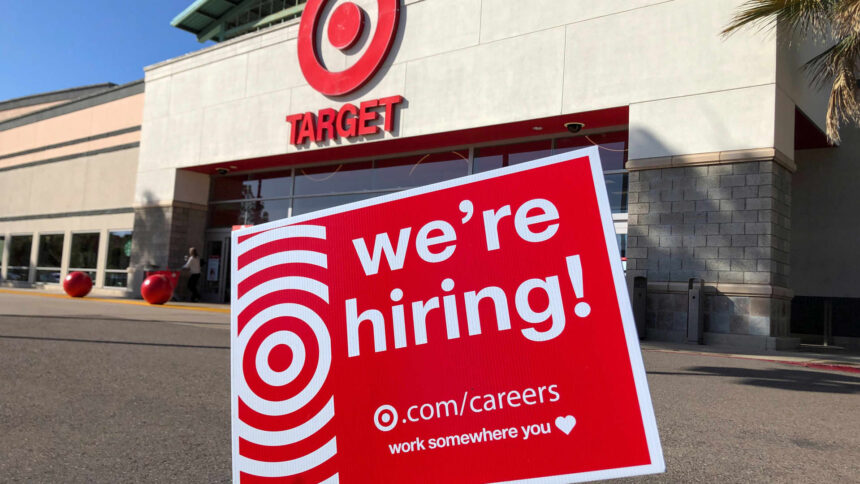
KeyToFinancialTrends notes that March 2026 was a significant month for the US labor market, showing employment growth despite ongoing risks. The unemployment rate in the country decreased to 4.3%, and the number of jobs increased by 178,000, significantly exceeding economists' forecasts. However, these positive data cannot hide the complex situation, as the US faces several external and internal challenges that may impact future labor market dynamics.
According to the Bureau of Labor Statistics, published on Friday, non-farm payrolls increased by 178,000 in March, far above the anticipated 60,000. Economists had expected a more modest increase after February's reduction of 133,000 jobs. KeyToFinancialTrends emphasizes that the job growth in March was made possible by the resolution of the healthcare workers' strike and improved weather conditions, which led to increased labor demand.
However, despite the positive data on job growth, it is important to note that the US labor market remains unstable. A key factor is the ongoing war with Iran, which has significantly impacted global oil prices and domestic economic conditions. Since the conflict began, oil prices have risen by more than 50%, driving up gasoline prices in the US and accelerating inflation. This phenomenon reduces household purchasing power, which in turn dampens consumer demand and may slow down economic growth.
KeyToFinancialTrends forecasts that the impact of these geopolitical factors will continue to be felt in the US labor market in the short term. High fuel prices are increasing costs for businesses, which may slow job creation. However, we do not expect a sharp decline in jobs in the coming months, although a slowdown in employment growth is possible.
Furthermore, internal factors are also influencing the US labor market, such as the Trump administration's policy of mass deportations of immigrants. These measures reduce the labor force supply, limiting opportunities for economic growth. The worker shortage creates pressure on the labor market and also reduces demand for goods and services.
Despite the decrease in the unemployment rate to 4.3%, it is important to understand that, in the context of historically low labor force growth, the economy faces the challenge of compensating for the increasing working-age population. To meet labor force needs, significantly more jobs must be created. However, this may be difficult in times of instability, both external and internal.
JPMorgan analysts' forecasts confirm that, considering external economic risks, negative employment data may become more frequent. This adds complexity to labor market stability, as any external shocks could significantly impact economic activity in the US.
Geopolitical risks and rising oil prices also affect the Federal Reserve's policy. In the coming months, it is unlikely that the US Federal Reserve will decide to lower interest rates, as external economic factors remain uncertain.
Thus, despite the positive data on job growth in March, the US labor market remains under pressure from external and internal risks. KeyToFinancialTrends believes that the economy may face a slowdown in job growth in the second quarter of 2026 if geopolitical instability and economic problems continue to escalate.
At Key To Financial Trends, we consider that the forecasts for the US labor market in the coming months remain uncertain. External economic instability, internal measures such as immigrant deportation, and rising oil prices add further uncertainty. We recommend that investors and businesses closely monitor the situation, as changes in economic policy and the external environment could significantly affect employment dynamics in the US.