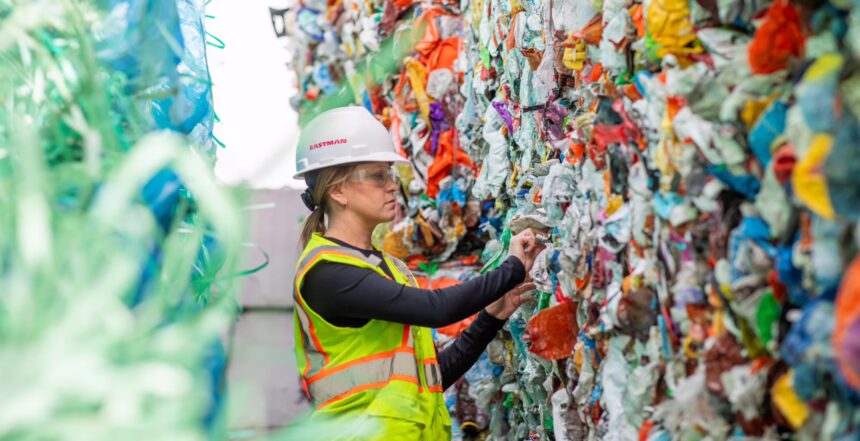
In the global metallurgy industry, a new vector is emerging, and at KeyToFinancialTrends we see Japanese company JX Advanced Metals’ pivot toward expanding recycled material processing as not just an investment in production, but as a strategic shift for the entire sector. The company announced a 7 billion yen (about $47 million) investment to boost its raw material pre-treatment capacity by 50% by 2027. This move reflects its intent to reduce dependence on copper concentrates, whose profitability is falling, and to strengthen its role in processing electronic waste and low-grade materials.
Against the backdrop of rising global metal prices and intensifying competition for access to secondary resources, stable supply has become a critical factor. “Today, this is not only about business but also about social significance: recycling and working with critical minerals are directly tied to supply chain resilience and the energy transition,” emphasize analysts at KeyToFinancialTrends.
JX, one of Japan’s largest copper producers with an annual capacity of 450,000 tons, is under pressure: declining treatment and refining charges (TC/RCs) and China’s expanding smelting capacity are squeezing margins. According to company leadership, copper output will already be cut by tens of thousands of tons in 2025 compared to earlier plans, and by March a roadmap for further capacity reduction will be unveiled. We believe this is the first clear signal that the traditional copper smelting model is in urgent need of restructuring.
In parallel, JX is advancing its “green hybrid smelting” concept – a technology that reduces reliance on concentrates and increases the share of secondary feedstock. In our view, approaches like this will define the future of the sector, where environmental imperatives and resource scarcity are driving forces of change. “This is less about forced downsizing and more about shaping a new standard: sustainable production through recycling,” note experts at Key To Financial Trends.
We are convinced that JX Advanced Metals’ decision reflects a trend that will soon become global. Major industry players will be compelled to pivot toward recycling and more flexible production schemes to maintain competitiveness. For investors, the key will be tracking how effectively companies integrate recycling into their core business model. Our forecast: those producers who succeed in turning “waste” into a strategic resource will secure leadership in the new metals industry.