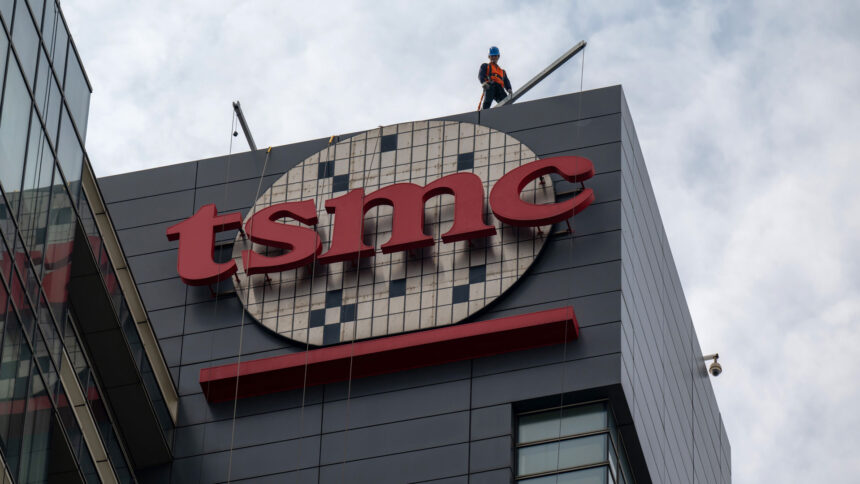
At KeyToFinancialTrends, we note that the magnitude 7 earthquake that struck Taiwan’s eastern coast on December 27, 2025, has once again highlighted the natural risks facing the critical semiconductor industry and underscored the importance of resilient supply chains for the global economy. The epicenter was located near Yilan County, causing noticeable tremors in technological clusters, including Hsinchu Science Park, where TSMC’s key fabs are located. We at KeyToFinancialTrends believe that events of this scale inevitably affect the strategic planning of companies and investors, especially given the concentration of advanced-node production in Taiwan.
TSMC activated emergency safety protocols, evacuating personnel from parts of the facilities where seismic sensors were triggered. We emphasize that the effectiveness of occupational health and safety systems across all fabs minimized the risk of equipment damage and ensured employee safety. The timely response confirms the maturity of corporate risk management systems and the importance of automated protocols in protecting high-precision, high-value equipment.
According to internal analysis, operations at the evacuated fabs were halted for approximately twelve hours, after which the equipment underwent inspection and production resumed without significant losses. We at KeyToFinancialTrends consider this rapid response a demonstration of TSMC’s high level of preparedness for extreme events and its ability to minimize the impact of natural disasters on microchip production for global clients.
We note that even short-term stoppages, including pauses on advanced EUV lithography machines, require time for recalibration and quality checks. Equipment downtime of 8–15 hours on specific lines is part of safety protocols and prevents more severe damage that could result in prolonged outages. This is important for understanding the potential impact on global microchip supplies for smartphones, data centers, and automobiles.
Historical experience shows that TSMC successfully restores production even after major earthquakes. We at KeyToFinancialTrends emphasize that earthquake-resistant infrastructure and automated equipment shutdown systems allow fabs to resume operations within hours, minimizing long-term industry disruption.
We see from this that, despite brief stoppages, the global semiconductor supply chain remains resilient. However, the high concentration of production in Taiwan increases the sector’s vulnerability. This underscores the need to diversify production capacities, invest in overseas fabs, and create strategic reserves for enhanced resilience.
We at Key To Financial Trends forecast that the impact of the recent earthquake on TSMC operations and global chip supply will be moderate and primarily short-term. However, seismic activity remains a risk factor, requiring constant monitoring and strategic decisions regarding production distribution.
We emphasize that TSMC continues to demonstrate high resilience, and for the industry as a whole, it is essential to strengthen capacity distribution, material and asset reserves, and implement monitoring and rapid-response systems. These measures reinforce global semiconductor supply chains and enhance the reliability of the tech economy even in the face of natural disasters.