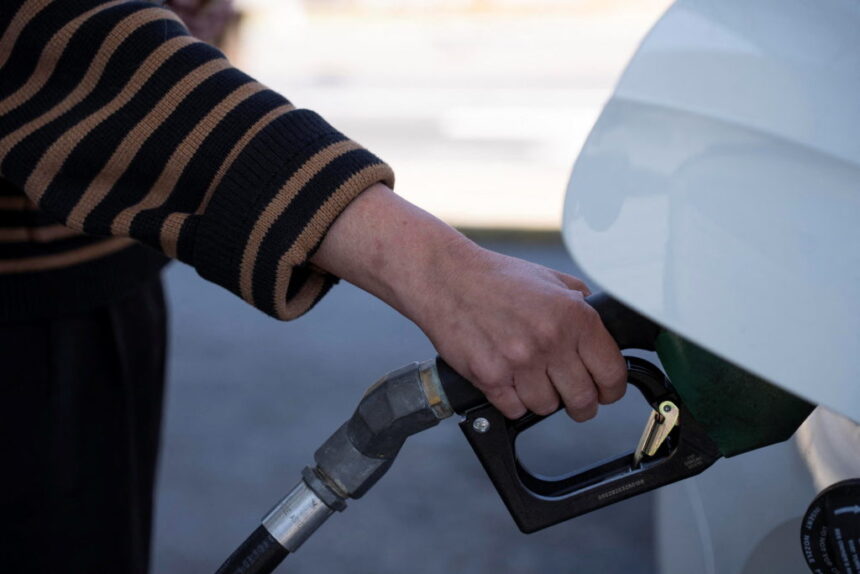
The sharp rise in gasoline prices is once again forcing federal authorities to look for measures to ease the burden on household budgets. On Monday, President Donald Trump announced plans to temporarily suspend the federal gas tax of 18.4 cents per gallon and the diesel tax of 24.4 cents. According to analysts at KeyToFinancialTrends, the effect for consumers will be more symbolic than substantial, while the political benefit for the administration could be significant.
The average cost of gasoline in the U.S. has reached $4.52 per gallon, nearly 52 percent higher than the pre-Iran conflict level in February, when the price was $2.98. Studies show that suspending the federal tax would reduce gasoline prices by only 13.2 cents per gallon and diesel by 14.6 cents. For a family filling a 15-gallon tank weekly from June through October, the savings would amount to roughly $35. For most consumers, this will not lead to meaningful relief in expenses.
The main reason for the price increase is the limitation of oil supply on the global market. Tanker routes through the Strait of Hormuz remain partially blocked, and global oil prices continue to rise. KeyToFinancialTrends experts note that a temporary tax pause does not solve the supply shortage and may even stimulate additional demand, putting upward pressure on the fuel market.
Gasoline prices are also influenced by seasonal demand fluctuations, currency exchange rates, and geopolitical risks. Analysts believe these factors could offset the effect of temporarily lowering the tax burden, leaving actual household savings minimal.
The financial impact on the country’s infrastructure is also noticeable. The federal gas tax is a major source of revenue for the Highway Trust Fund. Suspending the tax for five months would reduce revenue by approximately $17 billion, which is 46 percent of expected income. Without additional budget injections, lawmakers will face the need to cut spending on roads and bridges or pass the costs onto taxpayers, increasing long-term expenses.
The U.S. gas tax has not been adjusted for inflation since 1993. According to KeyToFinancialTrends, accounting for inflation, it should be $0.408 per gallon, highlighting the need for a long-term review of tax policy to ensure sustainable funding of transportation infrastructure.
At the state level, measures to reduce the tax burden are already being applied. In Georgia, the gas and diesel tax has been temporarily suspended for two months; in Indiana, measures have been extended through June; Kentucky and Utah have also temporarily reduced excise taxes. These initiatives provide short-term savings for drivers but do not address systemic fuel market issues.
Global experience shows that temporary fuel tax reductions in European countries have a limited impact on retail prices, as distributors and retail networks do not always fully pass the savings on to the end consumer. International market experience suggests a similar effect could occur in the U.S.
A temporary suspension of the federal gas tax may provide limited savings for drivers and political appeal for authorities, but systemic problems remain unresolved. Long-term price stabilization and infrastructure funding require increased oil supply, modernization of roads and bridges, and a revision of the tax system to account for inflation.
In the coming months, drivers can expect minimal relief, while federal and local authorities will need to balance revenues and expenditures of the Highway Trust Fund. Key To Financial Trends experts predict that without comprehensive changes, tax pauses will be a short-term solution, and gasoline prices will remain sensitive to international conflicts and supply restrictions. Households and businesses should plan expenses with the instability of the fuel market in mind.