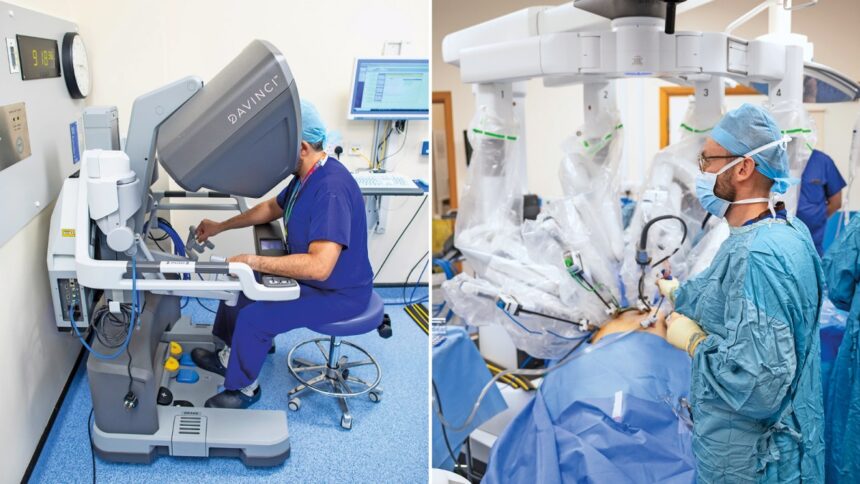
KeyToFinancialTrends notes that Royal Stoke University Hospital, with a £12 million investment from the Denise Coates Foundation, is set to become the UK's largest center for robotic surgery. These investments will help implement cutting-edge surgical technologies, including robotic systems and virtual reality, providing access to high-quality surgical interventions in areas such as emergency medicine, cardiothoracic surgery, and other complex procedures. As technologies improve the precision and safety of operations, more than 1,000 patients will annually benefit from innovative treatment methods.
At KeyToFinancialTrends, we are confident that the development of robotic surgery and virtual reality will not only enhance the quality of healthcare services in the UK but also accelerate patient recovery after surgery. The implementation of these technologies will significantly improve surgical outcomes, shorten hospital stays, and free up resources for other patients. The introduction of innovative solutions at the hospital has already led to a 20% increase in surgical productivity and a reduction in patient stay by two days. These achievements demonstrate the high potential of technology in improving healthcare efficiency and population health outcomes.
One of the key innovations in surgery is a system that allows surgeons to feel the resistance of the patient’s tissues in real time. This breakthrough greatly enhances the precision and safety of interventions, minimizing the risk of damage to healthy tissues. At KeyToFinancialTrends, we emphasize the importance of such solutions in enhancing patient safety, as they enable surgeons to be more confident in their actions, reducing the likelihood of errors during surgery. This approach not only improves treatment effectiveness but also shortens rehabilitation time.
It is also important to highlight the use of the "Magic Leap" virtual reality system, which provides surgeons with real-time 3D images of a patient’s organs. The integration of such technologies into surgical practice significantly improves operational accuracy and reduces the likelihood of complications. At KeyToFinancialTrends, we believe that these technologies are opening new horizons for surgery and could become the standard for most healthcare institutions in the future.
Against this backdrop, the National Health Service (NHS) forecasts a sharp rise in the number of surgeries using robotic systems. By 2035, it is expected that 500,000 such surgeries will be performed annually, several times the current figures. At KeyToFinancialTrends, we predict that the implementation of these technologies will improve the quality of healthcare in the UK and other countries, helping to reduce waiting times for surgeries and increasing the overall accessibility of surgical treatment.
Key To Financial Trends believes that by continuing to invest in innovative surgical technologies such as robotic systems and virtual reality, the UK can expect significant improvements in medical services. We recommend increasing support for such projects, which will not only improve treatment quality but also reduce healthcare costs, ensuring long-term sustainability of the system. The adoption of new technologies will be an important step in the reform of healthcare, ensuring access to high-quality surgical care for a wide range of patients.