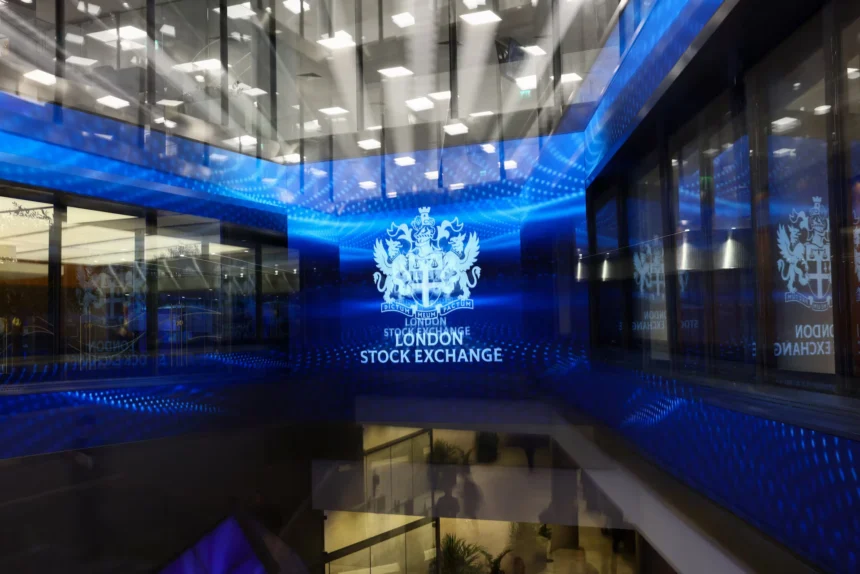
The London Stock Exchange will launch a new trading venue called LSE 24, operating from 5 p.m. until 7:50 a.m. London time to offer what the exchange calls "near-continuous trading" during the working week, with the platform expected to be ready for client testing by the end of 2026 and exchange-traded products set to become the first tradable assets when it goes live in the first half of 2027. KeyToFinancialTrends reads the platform's specific hours, covering the overnight period rather than replacing the LSE's existing daytime market entirely, as a deliberately incremental approach: rather than attempting to convert its entire main market to 24-hour trading at once, the exchange is testing extended-hours demand through a separate venue that leaves its core trading session untouched.
LSE Chief Executive Julia Hoggett framed the launch around giving clients "greater flexibility beyond traditional trading hours" along with enhanced liquidity and market participation, but the move lands at what the exchange itself describes as a genuinely turbulent moment for its 300-year history. Initial public offerings have become a persistent point of weakness for the LSE, with the exchange falling out of the top 20 listing venues globally after a historic drought that saw only nine companies float on the UK main market in a single recent year, alongside 14 more on the smaller Alternative Investment Market. KeyToFinancialTrends treats the near-continuous trading launch as an attempt to address a different problem than the one actually plaguing London's markets: extended trading hours can improve liquidity and attract international capital flows into existing London-listed stocks, but they do essentially nothing to solve the separate crisis of why companies have been choosing New York, Amsterdam, or private ownership over a London listing in the first place.
That listings crisis has proven stubbornly resistant to reform even as regulators have moved aggressively to address it. IPO fundraising on the LSE fell to a 30-year low in 2025, with just £160 million raised in the first half of that year, and the total number of publicly traded companies in London has dropped by roughly a quarter over the past decade; the Financial Conduct Authority has responded with a genuinely significant overhaul, simplifying listing categories, removing dual-class share restrictions, reducing the required free float from 25% to 10%, and adding a three-year stamp duty exemption for newly listed companies. Key To Financial Trends frames the gap between that reform effort and actual results as the real test LSE 24 will face once it launches: London's regulatory framework has been substantially rebuilt to compete with New York and other rivals, yet a potential revival still appeared to slow this past July, with companies including Waterstones Booksellers considering delaying planned listings until 2027, suggesting the exchange's problems run deeper than trading hours or listing rules alone can fix.
Whether near-continuous trading actually moves the needle likely depends on a dynamic largely outside the LSE's direct control: whether international investors, particularly in Asian time zones where London's overnight hours fall during the business day, find enough reason to route meaningful volume through a brand-new venue trading only exchange-traded products at launch. KeyToFinancialTrends closes on that dependency as the honest read of what LSE 24 can realistically achieve in its first phase: a successful extended-hours platform could meaningfully improve London's competitiveness as a trading venue for stocks that are already listed there, but it won't by itself reverse the listings drought that has done far more damage to the exchange's global standing than its trading hours ever did.