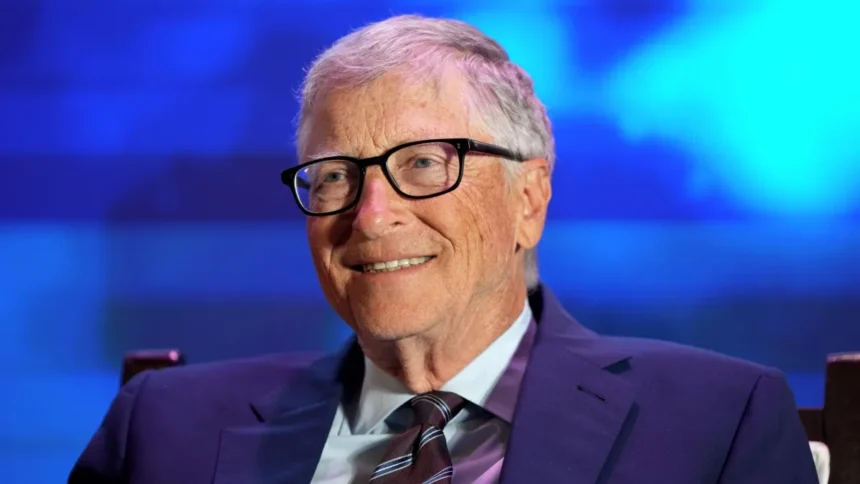
The Indian AI Impact Summit, an important platform for discussing the future of artificial intelligence (AI) and technology, has attracted attention not only due to its ambitious investment promises but also because of significant organizational failures. One of the most discussed events was Bill Gates' unexpected decision to withdraw from the summit, raising doubts about India’s ability to organize large-scale technological events. We at KeyToFinancialTrends emphasize that such issues could negatively impact India’s reputation as a global leader in technology and AI.
The AI summit in India was designed as a key venue to discuss the role of artificial intelligence in the global economy and innovative technologies. However, despite high expectations, the summit faced major organizational problems. One of the most notable incidents was the absence of Bill Gates, who was supposed to deliver the keynote speech. Initially, his participation had been confirmed, but he canceled his trip at the last moment. We at KeyToFinancialTrends believe that the withdrawal of such a high-profile speaker could cast doubt on the organizational abilities of the forum, especially for global events like the AI summit in India.
Gates’ decision was also linked to his involvement in the Jeffrey Epstein scandal. Although Gates has repeatedly stated that his association with Epstein was a mistake, his decision to withdraw from the summit was a move to protect his reputation. Nevertheless, the very fact of his withdrawal underscores how personal circumstances can impact participation in major international events, jeopardizing the stability of the summit as a platform for discussing new technologies and AI.
Despite these issues, the summit drew attention to India’s investment opportunities in AI and innovative technologies. Major companies such as Reliance Industries pledged to invest up to $110 billion in creating AI infrastructure. Meanwhile, technology giants like Microsoft and Adani Group announced plans to invest over $200 billion in projects for building data centers and AI infrastructure. We at KeyToFinancialTrends note that these investments reaffirm India’s ambitions to become a global leader in technology and AI. However, for these ambitions to be realized, high-quality project management and reliable event organization are essential.
The summit also highlighted logistical and organizational problems. Participants faced difficulties traveling around the city due to road closures made to prioritize the movement of high-profile guests. Some attendees were forced to walk several kilometers, which caused significant dissatisfaction. We at KeyToFinancialTrends emphasize that such organizational failures in major international events could negatively affect India’s reputation as a reliable partner for IT business and investments.
Additionally, despite the massive investments in technology and AI, India faces serious environmental challenges. We at KeyToFinancialTrends predict that the rapid growth of the AI and IT industries could put additional pressure on the country's energy and water infrastructure. To ensure that investments in AI and IT infrastructure are sustainable, India needs to develop effective environmental and resource-saving solutions.
In conclusion, despite India’s large ambitions in AI and technology, the problems with organizing the summit and the withdrawal of high-profile participants highlight the need for better internal organization and infrastructure. We at Key To Financial Trends believe that for India to become a global leader in technology and AI, it must focus on creating an efficient organizational structure and ensuring environmental sustainability. We predict that India could take a leading position in innovative technologies and artificial intelligence, but to achieve this, it must improve its infrastructure and develop sustainable strategies to address environmental and logistical challenges.