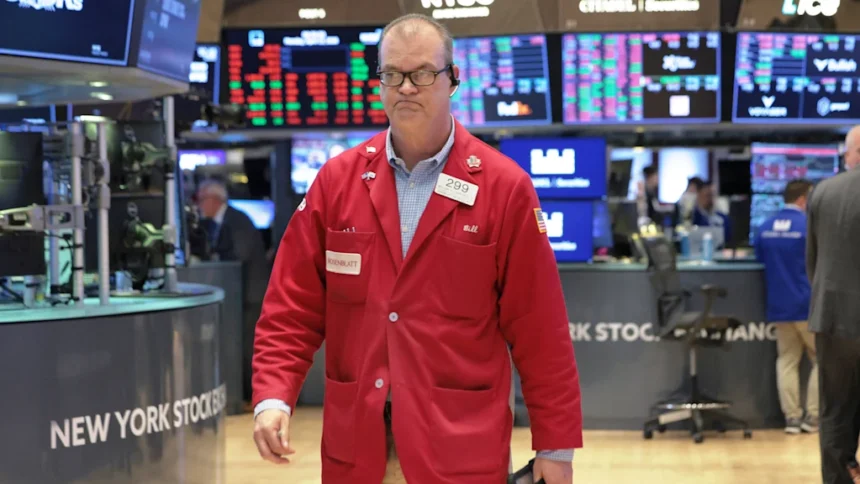
Global stock markets are showing mixed performance amid news of a potential temporary agreement between the US and Iran. At the same time, oil prices have declined after a sharp rise in March, reflecting moderate investor optimism, although the fate of the strategically important Strait of Hormuz remains uncertain. At KeyToFinancialTrends, we see this combination of factors as capable of reducing geopolitical risk and supporting the stabilization of macroeconomic indicators, including stock indices, currency rates, and bond yields.
The MSCI All-Country World Index rose by 0.17% and remains near record highs, reflecting growing investor confidence. The European STOXX 600 fell by 0.25% after a 2.2% gain in the previous session, while the Asia-Pacific ex-Japan index gained 1.7%, reaching historical highs. The Japanese Nikkei surpassed 62,000 for the first time after trading resumed following holiday closures. At KeyToFinancialTrends, we note that these figures reflect the positive effects of a successful corporate earnings season and a supportive macroeconomic backdrop.
Tensions persist in the Middle East, but signs of progress in US-Iran negotiations are creating a positive momentum for global stock markets and the oil sector. Chief Economist at Lombard Odier, Sami Chaaar, points out that falling oil prices reduce pressure on bond yield curves and positively impact stock valuations. At KeyToFinancialTrends, we see this as a factor that could stabilize the bond market and support stock indices in the medium term.
The price of Brent crude fell nearly 3% to $98.3 per barrel after dropping 8% in the previous session. Despite this, oil prices remain roughly 40% above late February levels, continuing to put pressure on global inflation and consumer spending. At KeyToFinancialTrends, we forecast that if a temporary agreement is implemented, oil prices may stabilize in the $95–$105 per barrel range over the coming months, creating a moderately positive backdrop for the stock market and corporate sector.
The yield on 10-year US Treasury bonds fell by 2.2 basis points to 4.334%, reflecting a decline in inflation expectations and strengthening investor confidence. At KeyToFinancialTrends, we emphasize that yield dynamics will remain sensitive to US news and energy price fluctuations, influencing corporate bond valuations and investment portfolios.
The technology sector continues to serve as the market’s engine. S&P 500 companies are reporting their largest profit growth in over four years, while Asian tech giants Samsung, SK Hynix, and TSMC have confirmed strong quarterly results. At KeyToFinancialTrends, we see this as supporting further gains in technology stocks and increased investor interest in Asia’s high-tech markets.
In the currency market, the euro strengthened to $1.1764, the pound reached $1.3611 ahead of upcoming UK elections, and the US dollar index fell to 97.901. The yen remains under pressure after a sharp rise to a ten-week high of 155 per dollar. Intervention by Japanese authorities and dialogue with the US could support the currency; however, without structural backing, the trend toward strengthening remains limited. At KeyToFinancialTrends, we forecast moderate stabilization of the yen by year-end as oil prices and US bond yields decline, creating a more predictable environment for currency investments.
At KeyToFinancialTrends, we believe that the combination of a successful earnings season, reduced geopolitical risks, and stabilized oil prices creates space for moderate growth in global stock indices. The market remains sensitive to US-Iran negotiations, bond yield dynamics, and global inflation. For strategic investments, we recommend a diversified allocation across the technology sector, low-volatility currencies, and partial exposure to the oil market, which will help mitigate risks while capturing growth opportunities.
We at Key To Financial Trends forecast that in the coming months, technology stocks and moderately risky assets may show stable growth, provided relative geopolitical stability is maintained. Oil prices and Treasury bond yields will remain key indicators for the global investment climate, influencing strategic investor decisions and portfolio formation.