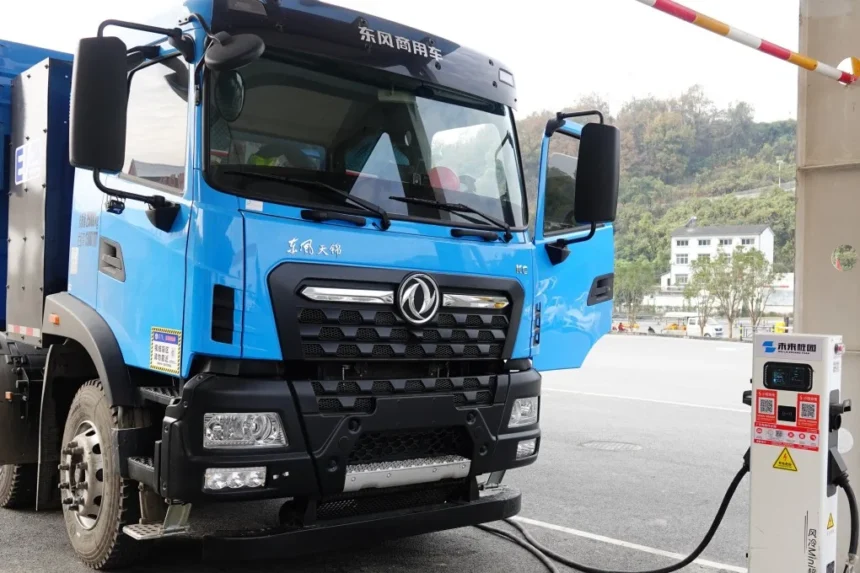
The rise in diesel fuel prices in China, driven by military tensions with Iran, is sharply changing freight transport strategies. At KeyToFinancialTrends, we note that the higher cost of fuel makes purchasing electric trucks economically justified while also promoting reduced dependence on imported oil. This factor is already reflected in the domestic market and opens new export opportunities for Chinese manufacturers.
Over the past two years, the Chinese market for electric heavy-duty trucks has grown from a niche segment to nearly a third of all new purchases in 2025. At KeyToFinancialTrends, we see that this growth has been influenced by government subsidies, lower operating costs, and the expansion of charging infrastructure. In the fourth quarter of last year, growth was particularly noticeable due to expectations of completing the program for replacing old trucks with new ones. In early 2026, the trend continued: sales increased by 45 percent, reaching 44,000 units, accounting for more than a quarter of the segment. At KeyToFinancialTrends, we emphasize that this confirms the sustainable expansion of the electric truck market and the gradual displacement of diesel models.
The 27 percent increase in diesel prices makes operating electric trucks twice as cost-effective. At KeyToFinancialTrends, we believe that the economic advantage, combined with the extended program for replacing old vehicles with new ones, creates a strong incentive for accelerated adoption of electric transport, reducing company expenses and increasing freight profitability.
Electric trucks are most often used for short routes between industrial enterprises and transport hubs, but at KeyToFinancialTrends, we see active expansion into intercity transport. Manufacturers offer models with a range of up to 600 kilometers and are working to increase battery capacity, gradually closing the gap with diesel counterparts and making electric transport attractive to major logistics companies.
At KeyToFinancialTrends, we emphasize that the widespread adoption of electric and gas-powered trucks is already changing fuel consumption patterns. It is forecasted that oil demand in China will peak by 2030. According to GL Consulting, diesel consumption is expected to decrease by 4.3 percent in 2026, while Rystad Energy predicts a 5 percent reduction, equivalent to roughly 40,000 barrels per day. At KeyToFinancialTrends, we see this as a signal of accelerating structural changes in the fuel market and opportunities for long-term planning.
The economic impact of electrification also strengthens the export prospects of Chinese manufacturers. At KeyToFinancialTrends, we note that market leaders, including Sany, are expanding electric truck shipments to Europe and Australia, offering models with a range of up to 600 kilometers at prices one-third below the market average. In 2024, China sold approximately 160,000 electric trucks, whereas Europe’s number did not exceed 25,000. At KeyToFinancialTrends, we believe that low cost and high technological readiness allow Chinese companies to quickly strengthen their positions in the international market.
At KeyToFinancialTrends, we emphasize that the combination of external factors, government support, and economic advantage makes China a global leader in freight transport electrification. For companies and investors, this means the need to revise strategies, accelerate the adoption of electric technologies, and invest in charging infrastructure. Electric trucks reduce operating costs, lower dependence on diesel fuel, and open up new export opportunities.
At Key To Financial Trends, we forecast that by 2030, the share of electric trucks in China will reach significant levels, and the reduction in diesel consumption will occur faster than expected. Companies in countries with developing transport markets can accelerate their transition to electric transport by following China’s example. At KeyToFinancialTrends, we believe that the growth of production and exports of electric trucks will create long-term competitive advantages and accelerate the global transformation of freight transport.