KeyToFinancialTrends notes that in recent years, the U.S. Federal Reserve (Fed) has made decisions that have a significant impact on the economy not only of the United States but also of the entire world. Amid rising inflation, labor market instability, and external economic risks, the Fed is faced with making critical decisions regarding its future interest rate policy. The upcoming meeting minutes, expected soon, will shed light on internal disagreements within the central bank, which will be crucial for forecasting the U.S. economic situation in 2026.
After the recent decision by the Fed to reduce short-term interest rates for the third consecutive time by 0.25%, bringing them to a range of 3.50% to 3.75%, significant internal disagreements emerged. Although the decision was supported by most members of the Fed, the presidents of two regional reserve banks, including those from Kansas City and Chicago, expressed the view that the rate cuts were unjustified in the current economic climate. Fed Governor Steven Miran, on the other hand, continues to advocate for a more aggressive approach, pushing for a deeper rate cut of half a percentage point.
As noted by analysts at KeyToFinancialTrends, such an approach raises certain concerns. Amid instability in the labor market, where the unemployment rate stood at 4.6% in November 2025 and the Consumer Price Index (CPI) rose by 2.7% compared to the same period last year, persistent inflation remains one of the main risks. This situation requires the Fed to make very cautious and measured decisions, as uncertainty in the economy persists despite attempts to stimulate the market through rate cuts.
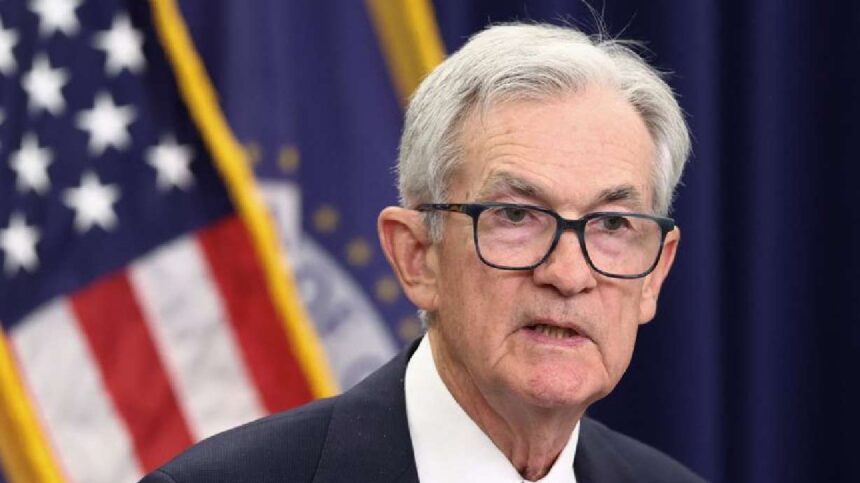
Jerome Powell, the Fed Chairman, in his statement emphasized that "not everyone agrees with the direction" of monetary policy. In his comments, Powell highlighted two key risks facing the U.S. economy: inflation, which continues to exceed the Fed's 2% target, and the potential slowdown in growth caused by high interest rates. These internal disagreements underscore the importance of striking a balance between stimulating the economy and controlling inflation.
At KeyToFinancialTrends, we believe that in the face of ongoing instability, the Fed will be forced to base its decisions on short-term economic signals. The Fed's forecasts for 2025 suggest that the interest rate could rise to 3.9% by the end of the year, which is higher than the current level, hinting at the possibility of further rate hikes in 2026. However, this will depend on how inflation and the labor market evolve.
It is also important to note that inflation in 2025 remains within the expected range, with consumer goods prices rising by 2.7% in November, which is manageable for many central banks. However, economists at KeyToFinancialTrends express concern that this rise might have been artificially suppressed due to holiday sales and seasonal discounts. We at KeyToFinancialTrends see this as a risk, as such data does not always provide an accurate picture of long-term price trends, which is especially important when assessing future inflation rates.
Data from the labor market also raises concerns: the unemployment rate increased to 4.6% in November 2025. This could signal a slowdown in economic activity, especially given that unemployment figures were collected using a modified methodology due to the suspension of government operations. It is crucial to understand that changes in the labor market are of great significance when it comes to the Fed's decisions on interest rates, as high unemployment can put additional pressure on the economy and slow down recovery.
At KeyToFinancialTrends, we forecast that in 2026, the Fed will continue to face the challenge of balancing growth stimulation and controlling inflation. We believe the U.S. central bank will be forced to respond to global market conditions and internal risks, such as slowing consumer spending and a potential worsening of the labor market situation. At the same time, interest rate hikes could become inevitable if inflation continues to remain at high levels.
Key To Financial Trends notes that the Fed's monetary policy for 2025-2026 remains in the spotlight of global financial markets. Disagreements among central bank members regarding rate cuts demonstrate the complexity of the situation the Fed faces in the context of global economic risks. In our view, in 2026, the Fed will need to continue adjusting its policy based on economic indicators such as inflation and unemployment. Importantly, any further decisions will have significant implications for economic stability in the U.S. and the global economy as a whole.