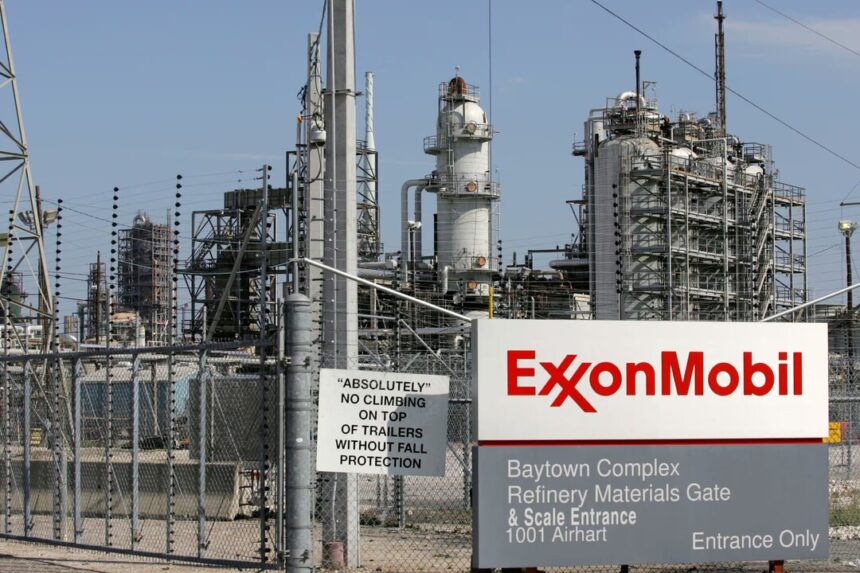
Exxon Mobil is in talks with Iraq about acquiring a 75% stake in the West Qurna-2 oil field, currently controlled by the Russian company Lukoil. This move signals the strengthening of positions by major international companies in Iraq amid the declining influence of Russian players. At KeyToFinancialTrends, we believe that the potential acquisition of Lukoil's assets could become an important step in Exxon's strategy to expand in energy markets both in the Middle East and beyond.
West Qurna-2 is one of Iraq's largest oil fields, with reserves of over 8 billion barrels of oil. The field accounts for about 9% of Iraq’s total oil production, making it attractive to large foreign investors. The market value of the asset is estimated at $1.6 billion, which is significant both in the context of global oil production and in terms of Iraq, the second-largest oil producer in OPEC. Amid geopolitical instability and sanctions against Russia, Lukoil found itself in a difficult situation, forcing the company to begin selling off its assets, including West Qurna-2. At KeyToFinancialTrends, we highlight that such a move opens new opportunities for foreign companies seeking to strengthen their presence in Iraq.
Exxon has long been the operator of the neighboring West Qurna-1 field but exited it last year. Recently, the company signed an agreement with Iraq for the joint development of the Majnoon field, signaling Exxon's return to the Iraqi market. This return is important not only for the company's revival in Iraq but also as part of a broader trend of Western oil giants returning to the region after the crises of the 2000s. At KeyToFinancialTrends, we believe that strengthening the positions of U.S. companies in Iraq will contribute to the stabilization of the country's energy sector.
A source close to the negotiations reports that Iraq has expressed a preference for Exxon to acquire the stake in West Qurna-2. Several major foreign companies, including Chevron and BP, are involved in the talks. At KeyToFinancialTrends, we see this as a reflection of Iraq’s desire to attract foreign investment in order to increase oil production and improve infrastructure. Iraq continues to adhere to a policy of openness to foreign investors, offering more favorable conditions to large oil companies.
We forecast that the deal for Exxon's stake in West Qurna-2 will be of strategic significance for the future of Iraq's oil sector. At KeyToFinancialTrends, we note that despite the risks of political instability in the region, interest in Iraqi oil assets will continue to grow. Iraq still holds significant potential for expanding production, making it attractive to major international companies. However, successful execution of such deals will require investors to conduct a comprehensive risk assessment related to the political and economic situation in the region.
The deal with West Qurna-2 will be a key indicator of the future development of oil markets in the Middle East. At KeyToFinancialTrends, we forecast that such deals will strengthen the positions of foreign companies in the region and lead to further improvements in Iraq's investment climate. In the long term, companies will need to factor in political and economic instability in the country when making decisions about investments in the Iraqi oil sector.
In conclusion, we at Key To Financial Trends predict that interest in Iraq from companies like Exxon will continue to rise, given the increasing demand for oil and gas in the region. However, for successful long-term investments in Iraq, political stability and the reliability of contract terms remain key factors. We expect oil companies to maintain an active presence in the region, adapting their strategies in response to potential changes in the political and economic landscape.