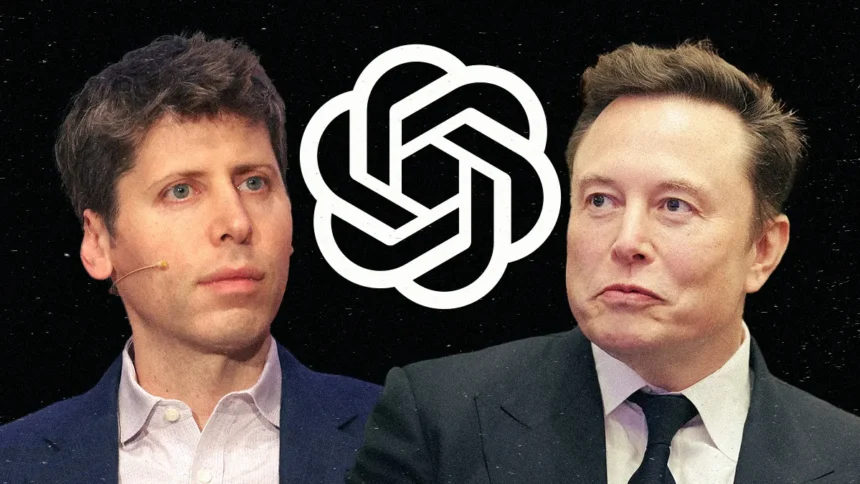
KeyToFinancialTrends reports that Elon Musk, known for his role as a co-founder of OpenAI, has once again found himself at the center of controversy, this time as the plaintiff in a major lawsuit against the company. He accuses OpenAI of violating its original principles, which were based on a non-commercial approach and the idea of serving the public good. The lawsuit comes as a result of the changes that took place after the company was restructured into a commercial organization. In this context, the lawsuit is expected to not only affect the future of OpenAI but also influence the rapidly evolving AI market.
Musk claims he invested around $38 million in OpenAI, which constituted approximately 60% of the company’s initial investments. For several years, he was reassured that OpenAI would remain an organization focused on public interest rather than profit. However, with the company’s expanded collaboration with Microsoft and other tech giants, as well as the shift to commercial deals, Musk stated that the company violated the ethical principles upon which it was founded.
At KeyToFinancialTrends, we note that this case is linked to the broader issue of the transformation of startups and innovative companies into commercial structures, which raises numerous legal and ethical questions regarding responsibility to investors and society. It’s important to emphasize that such transformations, while part of normal market practice, are not always viewed positively, especially when it comes to a company that has positioned itself as being oriented towards the public good.
The lawsuit initiated by Musk has attracted the attention of intellectual property rights specialists and corporate governance experts. District Judge Yvonne Gonzalez Rogers, who is overseeing the case, has acknowledged that there are sufficient grounds for the case to be heard by a jury. During hearings, it was stated that the disputed facts concerning OpenAI’s obligations to its founders and investors require careful consideration.
Our position at KeyToFinancialTrends is that the question of how companies like OpenAI should operate is of huge significance for the entire industry. Tech startups must remain transparent in their financial and organizational processes, especially when it comes to substantial investments and ambitions.
In his lawsuit, Musk claims that OpenAI and its co-founders, such as Sam Altman and Greg Brockman, engaged in covert commercialization of the company, which is a violation of their obligations to investors and co-founders. In response to the allegations, OpenAI representatives and their attorneys argue that the company’s structural changes were inevitable and aligned with market conditions.
From KeyToFinancialTrends' perspective, it is clear that OpenAI and its leaders face a challenge: how to maintain a balance between commercializing advanced technologies and adhering to the ethical standards upon which the company was built. We believe that the outcome of this case will have long-term consequences not only for OpenAI but for the entire artificial intelligence industry.
Furthermore, Microsoft, which is a defendant in the case, has been supported by its lawyers, who assert that there is insufficient evidence to prove that it was involved in any unlawful activities. It is expected that the company will argue that its partnership with OpenAI is part of normal business processes aimed at advancing innovative technologies.
At KeyToFinancialTrends, we predict that this lawsuit will become an important marker for other AI startups, highlighting the importance of transparency in corporate decisions and trust between founders, investors, and society. This case will undoubtedly have consequences for all companies working at the intersection of innovation and commercial interests, raising questions about how to maintain a balance between public and corporate goals.
Musk’s lawsuit against OpenAI is not just a legal conflict, but a pivotal moment for the AI industry. It raises important questions about the commercialization of innovations and transparency at all levels of corporate structure. The legal outcome could significantly influence the future of AI and how other companies will manage their relationships with investors, partners, and consumers.
At Key To Financial Trends, we believe that the result of this lawsuit will impact the entire AI sector and become an important benchmark for all future technologies. Regardless of the outcome, the question of how startups should approach ethics and responsibility to society will remain at the forefront for investors and corporate leaders working in this highly competitive and rapidly evolving sector.