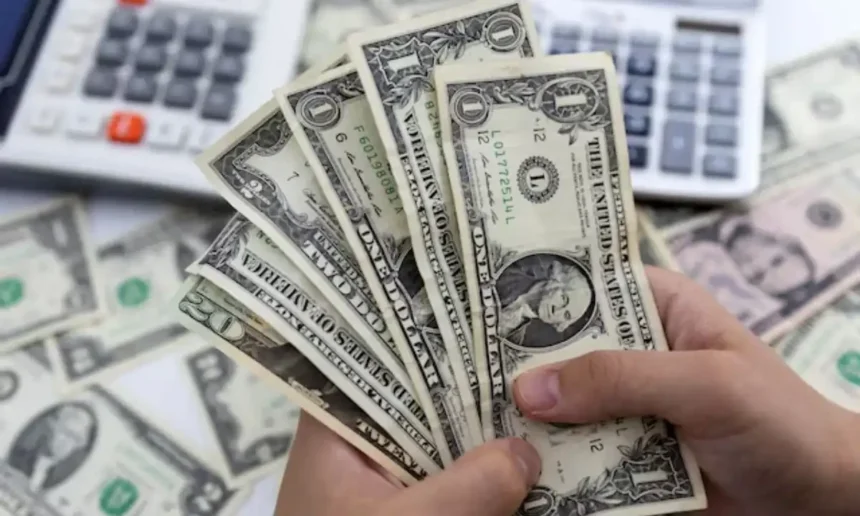
KeyToFinancialTrends notes that the global financial situation remains under pressure due to geopolitical instability, particularly in the Middle East. The US dollar, traditionally seen as a safe-haven currency, is weakening amid optimistic expectations regarding the potential end of military actions and stabilization of the situation with Iran. Recently, this process has significantly impacted currency markets, strengthening currencies such as the euro and Japanese yen, which are seen as less exposed to geopolitical risks.
At KeyToFinancialTrends, we note that the short-term weakening of the dollar is explained by investors' preference for riskier assets in light of improving conditions in the Middle East. However, despite this, the dollar continues to retain its role as the primary global reserve currency, and its weakening is unlikely to be long-term. As the political situation could worsen again, the demand for the dollar as a safe-haven asset will rise once more. It is important to highlight that this process represents only a temporary weakening, and in the long term, the dollar remains a key element of the global economy.
In addition, oil prices also influence exchange rates. The price of Brent crude oil, which has fallen below $100 per barrel, has become a key factor affecting the dollar's weakness. The US, as the largest oil producer, feels the fluctuations in oil markets, and a drop in oil prices could negatively affect the dollar’s exchange rate. At KeyToFinancialTrends, we predict that if oil prices remain under pressure, this will contribute to further weakening of the dollar and increased volatility in global markets.
Upcoming economic reports, such as US employment data, may also impact currency rates. We expect around 60,000 jobs to be created in March, which will support a positive outlook in the market. However, if economic data comes in worse than expected, it could put additional pressure on the dollar. At KeyToFinancialTrends, we see that weak economic reports may lead to downgrades in US economic activity forecasts and a potential reduction in interest rates by the Federal Reserve. This would also influence the dollar’s exchange rate.
Furthermore, important factors influencing the current currency dynamics include expectations of rate hikes in Europe and Japan. As central banks in these regions consider the possibility of increasing rates, this could strengthen the euro and yen. At KeyToFinancialTrends, we emphasize that currencies with higher interest rates attract investors, leading to their growth, especially in periods of stability in these regions.
From a global trend perspective, we at KeyToFinancialTrends forecast that high volatility will continue to characterize currency markets in the coming months. Geopolitical instability, oil price fluctuations, and US economic data will remain important factors affecting exchange rates. Investors should closely monitor changes in these markets to make informed decisions.
In conclusion, although there is currently optimism regarding the end of military actions, the financial situation remains under pressure. Geopolitical instability, oil price fluctuations, and economic data from the US will remain key factors influencing exchange rates in the coming months. At Key To Financial Trends, we advise investors to closely watch currency market dynamics and consider economic and political changes to minimize risks and make informed decisions in an environment of high uncertainty.