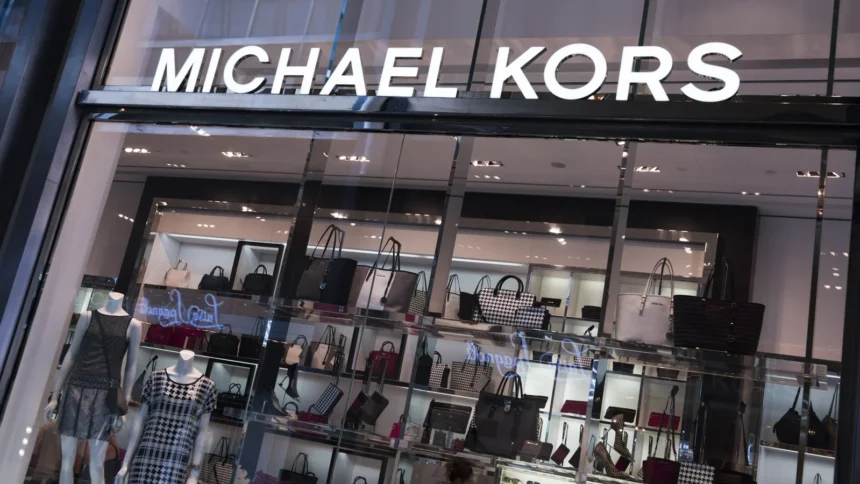
KeyToFinancialTrends reports that Capri Holdings continues to face financial difficulties due to the prolonged decline in sales of its key brand, Michael Kors. The brand has experienced six consecutive quarters of revenue decline, leading to a 10% drop in the company’s stock price. While the company’s overall quarterly revenue exceeded forecasts, the underperformance of Michael Kors is negatively impacting Capri’s financial results, raising concerns among investors and analysts.
Changes in consumer habits in the U.S. and rising inflation are leading buyers to be more conscious about spending on non-essential goods. As a result, demand for luxury products, including Michael Kors, is being affected. Despite efforts to reduce advertising expenses and increase margins through full-price sales, these steps are unable to address the brand’s main issue - its inability to quickly adapt to market changes. In recent years, companies like Coach from Tapestry have been successful in attracting younger audiences by actively engaging with trends and releasing relevant collaborations. However, Michael Kors has been slow to respond to these changes. KeyToFinancialTrends believes that Capri must rethink its marketing strategy and update its product assortment to regain consumer interest.
For the last quarter, Michael Kors sales dropped by 5.6%. This has significantly impacted Capri’s overall performance, despite a 5% increase in sales for the Jimmy Choo brand. The main problem is that Michael Kors accounts for more than 80% of the company’s total revenue, and the decline in sales of this brand is slowing Capri’s overall growth. KeyToFinancialTrends notes that the success of other brands in the Capri portfolio is still insufficient to offset the losses from the flagship brand.
Another factor affecting Capri’s financial results is import duties. The company sources products from countries like China and Vietnam, which are facing increased tariffs. These changes are driving up costs and creating uncertainty in profit forecasts. This is a significant issue for the company, especially in the context of economic instability. However, Capri continues to work on minimizing the damage by cutting advertising expenses and focusing on full-price sales. While this approach may help strengthen margins, KeyToFinancialTrends believes it could put pressure on long-term customer loyalty.
Revenue forecasts for the company’s 2026 fiscal year have been slightly revised upward, from the range of $3.38-3.45 billion to $3.45-3.48 billion. However, it’s important to note that Michael Kors still plays a dominant role in these projections. A continued decline in sales of this brand could keep applying pressure on the company’s future results. KeyToFinancialTrends emphasizes that Capri will need to make key strategic decisions to get Michael Kors back on a growth trajectory.
We forecast that in order for Capri to ensure long-term stability and regain market position, the company will need to reconsider its marketing and product strategies. An important step for the company will be updating its approach to the younger audience and actively working with collaborations and trends. If Capri doesn’t take decisive measures to adapt its flagship brand, it risks losing competitiveness and market share.
In conclusion, despite the positive results from other brands in its portfolio, Capri continues to face significant long-term challenges. The company’s success will depend on how quickly and effectively it can adapt its strategies to changing consumer preferences and trends in the fashion industry. Key To Financial Trends believes that Capri must take quick and decisive action to return to a growth path and increase its market share.
Capri Holdings at a Crossroads: The Decline of Michael Kors and the Company's Prospects