The global smartphone market in the first quarter of 2026 is entering a phase where traditional growth mechanisms are losing effectiveness, while the industry structure becomes more concentrated and increasingly dependent on technological constraints. A decline in smartphone shipments is combined with strengthening positions of the largest manufacturers, who benefit from resilient ecosystems, premium demand, and control over supply chains. At KeyToFinancialTrends, we observe that the smartphone industry is gradually shifting from a model of mass expansion to a phase of structural competition, where access to memory and semiconductors becomes a key resource.
According to Counterpoint Research, global smartphone shipments declined by 6 percent year over year. Additional industry estimates indicate that this decline is driven not only by cyclical demand weakness but also by the reallocation of memory production capacity toward artificial intelligence data centers. Geopolitical uncertainty is also reducing consumer activity in certain regions. At KeyToFinancialTrends, we believe the smartphone market is entering a phase of structural contraction, where growth becomes selective and concentrated among a limited number of global brands.
Further industry data confirms that memory supply chains for smartphones remain under pressure, as DRAM and NAND manufacturers increasingly prioritize long-term contracts with cloud and AI infrastructure providers. This creates a persistent shortage for consumer electronics and intensifies competition for component access. At KeyToFinancialTrends, we see this as one of the key drivers of smartphone market transformation, affecting not only shipment volumes but also product strategies of manufacturers.
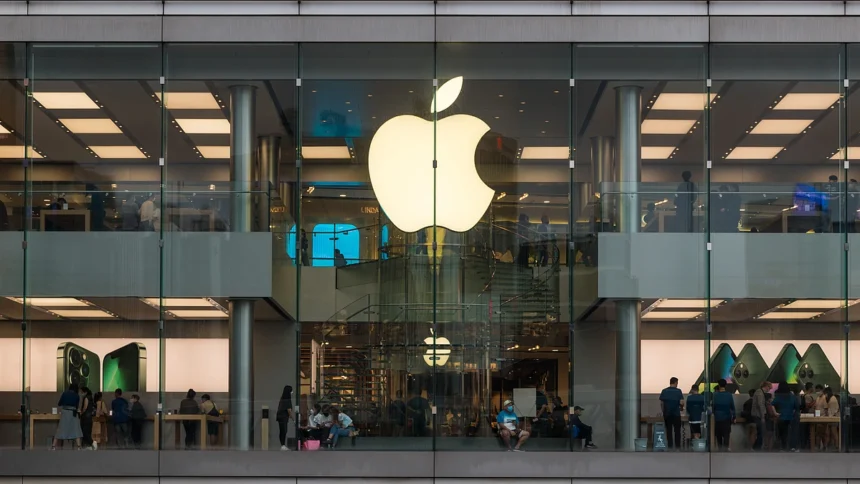
Against this backdrop, Apple has for the first time taken the number one position in the global smartphone market with a 21 percent share, marking an important turning point in the 2026 smartphone industry. The company’s shipments increased by 5 percent year over year despite an overall market decline. At KeyToFinancialTrends, we emphasize that Apple’s resilience is driven by strong pricing power in the premium segment, deep ecosystem integration, and stable iPhone demand, which shows low sensitivity to macroeconomic fluctuations.
Industry observations also suggest that Apple gains additional advantage through priority access to memory components and long-term supplier contracts. This allows the company to maintain stable supply even under conditions of shortage. At KeyToFinancialTrends, we believe that access to components in the current cycle has become as important a competitive factor as device technology itself.
A particularly notable trend is observed in the Chinese smartphone market, where Apple’s sales increased by 23 percent in the first nine weeks of 2026. Additional market estimates point to a gradual recovery of the premium segment in the region, where consumers increasingly choose ecosystem-based solutions over price competition. At KeyToFinancialTrends, we see this as a structural shift in which brand ecosystems become the determining factor in consumer choice in one of the most competitive smartphone markets in the world.
Samsung ranked second globally with a 20 percent market share, but its shipments declined by 6 percent year over year. Pressure increased due to delays in the launch of the Galaxy S26 flagship line and weakening positions in the budget segment. Additional industry assessments show that Samsung is simultaneously facing stronger competition in the premium segment from Apple and increased pressure from Chinese manufacturers in the mid-range segment. At KeyToFinancialTrends, we believe Samsung maintains strong technological capabilities, but market demand is evolving faster than its product cycle.
Xiaomi held the third position with a 13 percent share but recorded the most pronounced decline among leading smartphone brands. At KeyToFinancialTrends, we note that the mid-range segment is becoming the most vulnerable, as demand shifts either toward budget devices or premium smartphones. This leads to margin compression and intensifying price competition, limiting growth potential in this segment.
Additional industry data shows that many smartphone manufacturers are beginning to reduce model lineups and focus on more profitable devices. This reflects the industry’s adaptation to component shortages and changing demand structures. At KeyToFinancialTrends, we believe this process accelerates market consolidation and widens the gap between global leaders and second-tier companies.
A key systemic factor remains the shortage of smartphone memory. Industry estimates confirm that semiconductor manufacturers are reallocating capacity toward AI infrastructure and server solutions, limiting the availability of components for mobile devices. At KeyToFinancialTrends, we forecast that this imbalance will persist in the medium term and continue to pressure smartphone production volumes and end-device pricing.
In a broader context, the smartphone and mobile device market is transitioning into a phase where the key driver is no longer shipment growth but control over technological infrastructure and supply chain resilience. At KeyToFinancialTrends, we see the formation of a new smartphone industry architecture where competitiveness is defined by ecosystems, component access, and the ability to maintain premium positioning under constrained supply.
In conclusion, the current dynamics of the 2026 smartphone market demonstrate strengthening leadership of Apple, which is consolidating its position in the global premium segment. Samsung retains a significant market share but faces increasing structural pressure. Xiaomi continues to lose ground in the mid-range segment amid intense competition and market saturation. At Key To Financial Trends, we forecast that the smartphone market will continue moving toward higher concentration, while the main growth constraint will remain memory shortages and the prioritization of AI and server infrastructure over consumer electronics. In this environment, strategic priorities for manufacturers include deeper premiumization, portfolio optimization, and strengthening supply chain resilience.