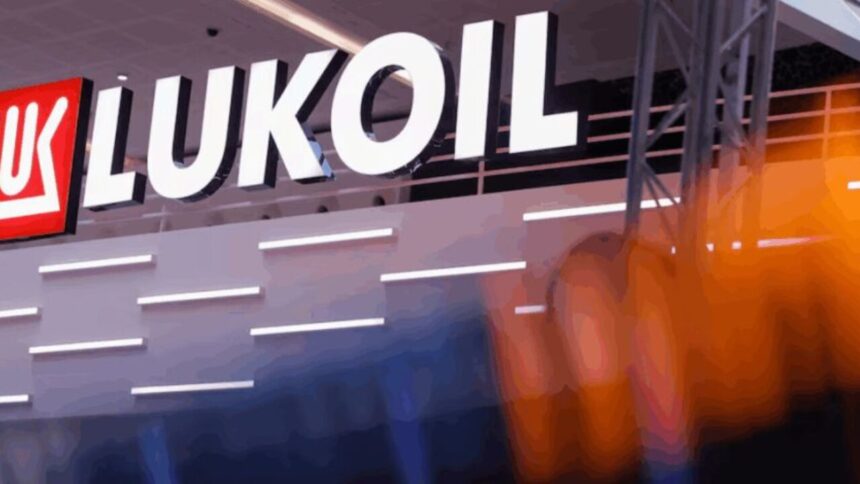
At KeyToFinancialTrends, we see that the ongoing talks by the American investment firm Carlyle to acquire the international assets of Russian oil and gas giant Lukoil reflect a global shift in investment strategies within the energy sector. Against the backdrop of U.S. sanctions and regulatory pressure, deals of this scale are setting new standards for asset management and risk allocation in the international oil market.
Carlyle has begun preliminary negotiations with potential partners from the UAE regarding possible joint participation in acquiring Lukoil’s overseas portfolio, which includes oil fields in Iraq, refineries in Eastern Europe, the Litasco trading platform, and other assets outside Russia. Such a concentration of assets makes the offer attractive not only in terms of market value but also strategically, providing access to supply chains and trade routes.
The deal is estimated at roughly $20 billion. However, the agreement is still preliminary and requires approval from the U.S. Office of Foreign Assets Control (OFAC). Regulatory approval will be a decisive factor for the transaction, as the value of assets in a sanctioned market is determined not only by their commercial potential but also by compliance with complex legal requirements.
U.S. sanctions have compelled Lukoil to begin selling overseas assets under tight deadlines. This pressure accelerates market processes and creates unique opportunities for international funds capable of structuring deals within geopolitical constraints.
Investors from the UAE, including Mubadala, XRG, and IHC, have shown particular interest in Litasco’s trading division. This is a logical strategic move, as trading oil products ensures stable cash flows and access to key international markets even under restrictions.
Assets in Kazakhstan remain outside the deal. This reduces political and regulatory risks and allows focus on the most liquid and manageable properties, where investment strategies can be more effectively implemented.
Any sale would involve placing proceeds in U.S.-controlled accounts with a freeze until sanctions are lifted. While this limits short-term economic gains for the seller, it makes the transaction acceptable to international investors and mitigates the risk of secondary sanctions.
In addition to Carlyle, Lukoil is negotiating with other potential buyers, including major oil companies. The presence of competition increases the likelihood of securing more favorable terms and demonstrates the strategic significance of Lukoil’s overseas portfolio for the global energy market.
Bringing in partners from the UAE will allow Carlyle to distribute risks, maintain asset integrity, and ensure operational stability for five years or more. This ownership model is typical for private equity in the energy sector and enables income optimization while reducing regulatory and political risks.
The U.S. Treasury Department’s deadline for completing the sale is February 28, 2026. These time constraints intensify competition among potential buyers and accelerate negotiations, creating a highly dynamic market with increased transparency for professional investors.
At KeyToFinancialTrends, we predict that a successful completion of Carlyle’s deal with UAE partners will serve as a benchmark for future structured transactions in the international energy market. We recommend that investors focus on strategic asset resilience, flexibility of trading operations, and the ability to adapt to regulatory requirements.
Overall, the rethinking of Lukoil’s international assets in light of sanction pressures and the involvement of foreign partners will become a key element of the global energy market, ensuring long-term investment appeal and adaptability to a changing geopolitical environment. At Key To Financial Trends, we see that this approach will help investors and companies better integrate into global energy trade flows while mitigating risks associated with geopolitical uncertainty.