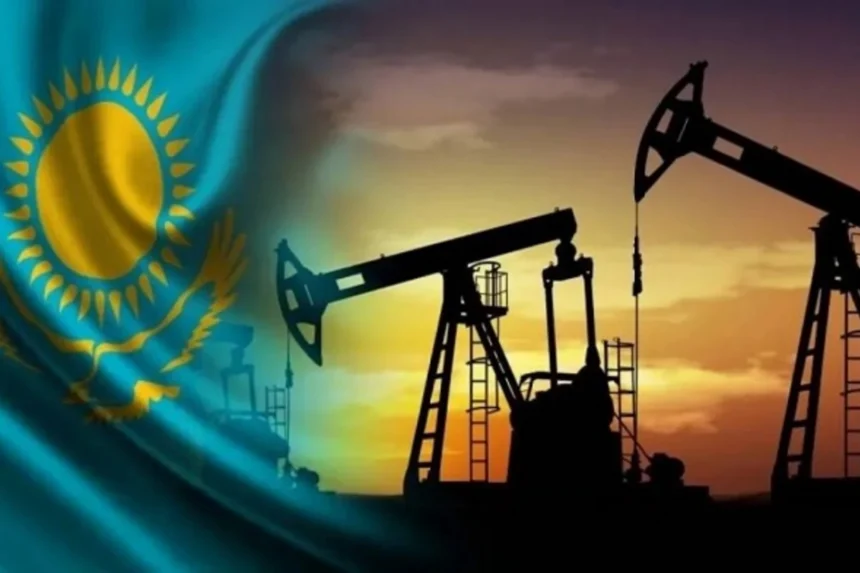
KeyToFinancialTrends notes that Kazakhstan, one of the players in the global oil market, is facing serious disruptions in its oil exports, which significantly impact the global oil market. Infrastructure damage, including the Caspian Pipeline Consortium (CPC) and the destruction of supply lines from the largest Tengiz oil field, have resulted in the loss of more than 40 million barrels of oil. This not only reduces the volume of exports from Kazakhstan but also alters the forecasts for global oil reserves and price changes in 2026.
According to analysts at KeyToFinancialTrends, the reduction in Kazakh oil exports is an important signal for the entire oil industry. Kazakhstan's influence on global oil supply cannot be underestimated, especially considering its role within OPEC+ and its strategic significance in the energy sector. The loss of 40 million barrels has had a significant impact on global reserve calculations. The projected increase in reserves for the first half of 2026 by 700,000 barrels per day turned out to be 300,000 barrels less than originally expected, indicating a supply shortage and the need to revise long-term forecasts.
However, the challenges do not end there. At the same time as the disruptions in Kazakh oil supplies, OPEC+ decided to suspend the increase in production in the first quarter of 2026. This move, while part of a strategy to balance the market, has only worsened the supply shortage and created additional pressure on prices. Despite increased production in other countries such as the US, Guyana, and Brazil, supply issues from Kazakhstan have become a decisive factor hindering the restoration of the global balance between supply and demand.
The International Energy Agency (IEA) forecasts that in the first quarter of 2026, global supply will exceed demand by 4.25 million barrels per day. However, this projection is already being adjusted due to instability in Kazakhstan. At KeyToFinancialTrends, we believe these forecasts may need to be revised, especially if the supply disruptions remain unresolved. Such shortages will continue to influence global oil prices, underlining the need for flexibility in decision-making for market participants.
In the face of continuing instability linked to Kazakhstan’s issues, OPEC+ decisions, and geopolitical risks, we predict that oil prices will remain high in 2026. The global economy will still be under the influence of external factors, requiring investors and traders to carefully assess risks and make strategically calculated decisions. Price fluctuations and supply shortages should be taken into account in business strategies, as flexibility and the ability to adapt to changing conditions will remain key to success in the oil industry.
Key To Financial Trends emphasizes that market participants must closely monitor developments in Kazakhstan and other key regions where infrastructure issues or political instability could significantly impact further changes in the oil market. Paying attention to these factors and being able to quickly react to changes will help mitigate risks and fully capitalize on opportunities amidst the current global instability.