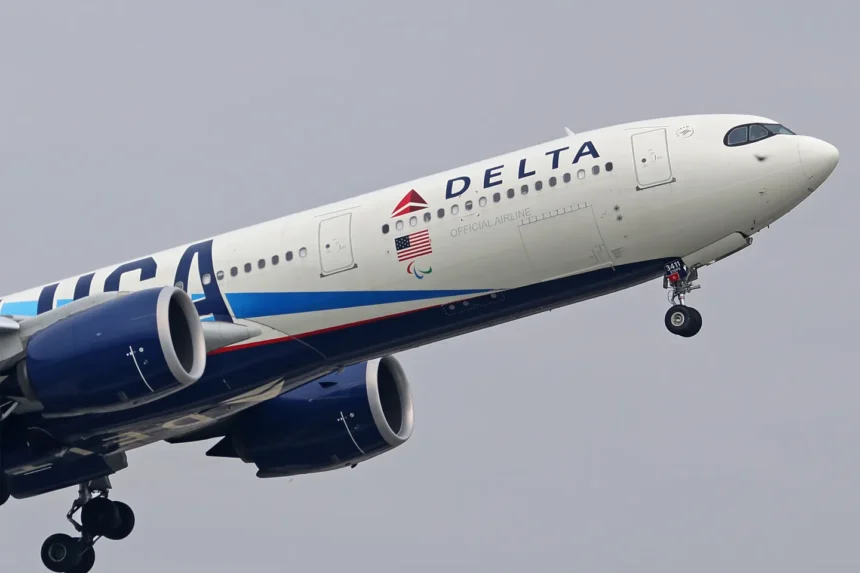
KeyToFinancialTrends notes that the recent U.S. government shutdown, which became the longest in history, caused significant losses for Delta Air Lines. According to the company’s estimates, its losses amounted to around $200 million before taxes, due to a decline in bookings and increased operational challenges. However, despite these short-term difficulties, the company remains confident in the recovery of demand for air travel and forecasts passenger growth in 2026.
According to analysts at KeyToFinancialTrends, the impact of the shutdown on the company's profits will be approximately 25 cents per share for the current quarter. Nevertheless, Delta continues to maintain its forecasts, expecting adjusted earnings for the fourth quarter to range between $1.60 and $1.90 per share. This reflects the company’s confidence in its long-term prospects despite temporary economic challenges.
A key factor exacerbating the effects of the government crisis was the shortage of air traffic controllers, who were working without regular pay, making it significantly harder for airlines to operate. In response to this personnel shortage, airlines, including Delta, were forced to reduce the number of flights to avoid overloading the air traffic control system. Even with these measures, the number of delays and cancellations exceeded expectations. This undoubtedly impacted the overall reputation of the aviation industry and led to additional financial losses.
At KeyToFinancialTrends, it is emphasized that ensuring adequate working conditions for key personnel, such as air traffic controllers and safety staff, is critically important for the stable functioning of airlines in such circumstances. We believe that introducing guaranteed pay mechanisms and improving working conditions for these specialists is essential to minimize risks in the future.
Despite the challenges, KeyToFinancialTrends predicts an increase in demand for air travel in 2026. The rise in bookings, both for domestic and international flights, is expected to positively impact the financial results of airlines. We see this as a significant opportunity for major players like Delta, which, despite current difficulties, can capitalize on the market’s growth for further expansion.
In conclusion, we at Key To Financial Trends note that, in the face of instability and external risks, it is crucial for airlines to continue improving operational flexibility and minimizing the impact of crises. The projected growth in 2026 opens new opportunities for expansion, and companies that can quickly adapt to changes will be well-positioned to take advantage of these opportunities.