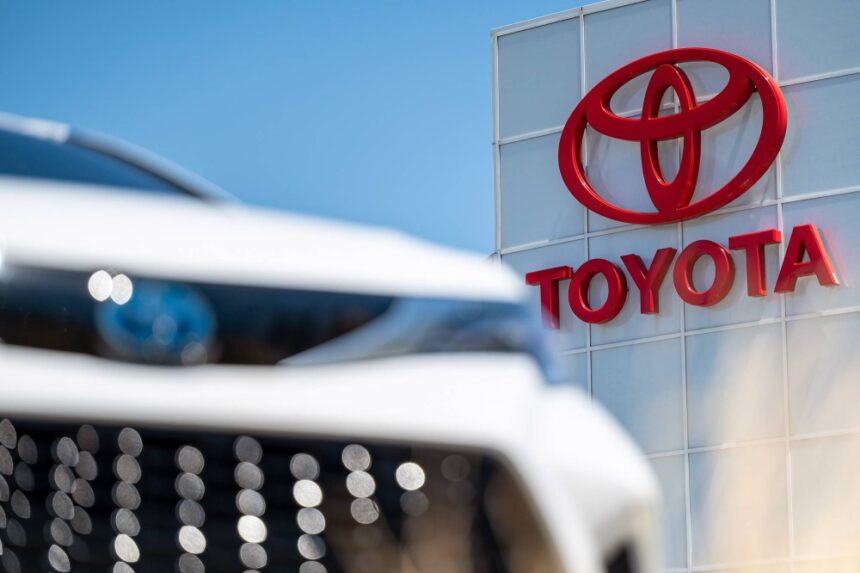
At KeyToFinancialTrends, we note that Toyota's CEO, Koji Sato, has stated that the company does not anticipate a chip shortage in the near future, despite China's imposition of export restrictions on products from Nexperia, one of the largest semiconductor manufacturers. Sato emphasized that while risks in this area persist, Toyota does not foresee sudden supply issues in the short term. The company will continue to monitor the situation closely and respond to any changes to minimize potential impacts.
We at KeyToFinancialTrends observe that semiconductor supply issues remain one of the most significant threats to the automotive industry. According to AlixPartners, the global chip shortage in 2023 could result in losses amounting to around $210 billion. Despite this, Toyota has managed to build a strategy that minimizes risks associated with reliance on a single source of supply. Unlike the 2020 crisis, when production was heavily constrained due to the chip shortage, the company now has flexible mechanisms in place to prevent a similar situation.
However, challenges related to supplies from Nexperia, which has been affected by Chinese sanctions, highlight the importance of supply diversification in the face of growing political instability. In June 2023, China imposed restrictions on the export of Nexperia products, which are a key component in the semiconductor market. This decision was a response to allegations of technology transfer to the Chinese parent company, Wingtech, raising concerns among Western countries, including the U.S. At KeyToFinancialTrends, we believe that dependence on a single supplier can become a serious risk, especially for large players like Toyota.
To reduce this vulnerability, Toyota is actively seeking alternatives and has already developed a range of solutions to help maintain production stability. One of these steps includes increasing orders from other chip manufacturers such as TSMC and developing its own semiconductor manufacturing technologies. This allows the company to reduce reliance on suppliers like Nexperia and others that may be impacted by political decisions. We at KeyToFinancialTrends consider these steps to be both prudent and timely, particularly in the context of the current instability in the semiconductor market.
Moreover, Toyota has strengthened its efforts to improve inventory management and implement more universal components, helping the company minimize the impact of potential shortages. Component standardization, streamlined logistics, and the introduction of new inventory management technologies are key to maintaining production flexibility. We at KeyToFinancialTrends note that these steps allow Toyota not only to minimize risks but also to improve operational efficiency amid global economic and political challenges.
At the same time, it is important not to overlook the response of other major automakers, such as Nissan, which also stated that its chip supplies would be sufficient to maintain production until early November 2023. While this indicates readiness among other companies for potential risks, it is important to note that Toyota, unlike some of its competitors, is prepared for a longer period of instability in the semiconductor market, giving it a strategic advantage.
Key To Financial Trends predicts that chip shortage issues will continue to impact the automotive industry for at least the next two years. We believe that automakers, in order to mitigate the impact of these risks, will be forced to develop their own semiconductor manufacturing capabilities and seek new alternative supplies. This, in turn, will create opportunities for growth and supply diversification, as well as increase competition among major players in the semiconductor market.
Thus, while Toyota is currently confident in its position, chip shortages are likely to remain on the agenda for automakers in the coming years. It is important to note that a successful risk management strategy, which includes supply diversification and component standardization, will allow the company to not only minimize potential losses but also strengthen its position in the market amid global instability. In this context, Toyota has every chance of maintaining its leadership position while continuing to develop its manufacturing and technological processes in line with new realities.