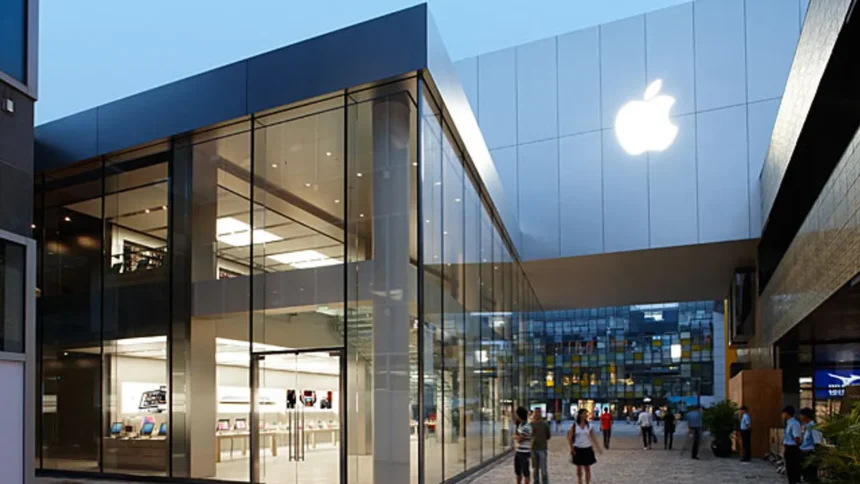
In 2026, the Chinese smartphone market is facing tough times. A decline in consumer demand and rising prices for key components, such as memory chips, have led to a 4% drop in overall sales. However, amid this overall decline, Apple managed to achieve an impressive 23% growth in the first nine weeks of the year. This result sets the company apart from other brands like OPPO and Vivo, which are experiencing sales declines. At KeyToFinancialTrends, we believe Apple’s success can be attributed not only to the quality of its products but also to its ability to adapt flexibly to current economic challenges.
A key element of Apple’s strategy is its ability to maintain stable prices for its smartphones despite rising production costs. Unlike Chinese competitors, who were forced to raise prices due to the increased cost of memory chips, Apple kept the price of its iPhone 17 models at an affordable level, which has resulted in strong demand for its products. Combined with subsidies for basic models and discounts available in online stores, Apple was able to offer Chinese consumers an attractive price for its devices. We at KeyToFinancialTrends emphasize that this gave Apple a competitive edge in the face of economic instability.
While Apple uses this strategy for growth, other manufacturers are facing difficulties. OPPO and Vivo, in order to cope with rising component costs, were forced to increase the prices of their smartphones. In our opinion, this decision could significantly reduce consumer interest, especially in the budget and mid-range segments, where price sensitivity is especially high. We believe these measures could weaken their positions in the market and lead to further declines in their market share in China.
Meanwhile, Huawei takes advantage of domestic component supplies, allowing it to control production costs and avoid price hikes, unlike international manufacturers. However, despite this, Huawei continues to face external challenges such as international sanctions and supply chain restrictions. These factors may continue to limit its opportunities in international markets, despite its competitive advantages on the domestic front. At KeyToFinancialTrends, we see this as a serious limitation for the company’s growth prospects in the global market.
As for the Chinese market as a whole, the situation could change in the coming months. With the arrival of the summer shopping season and major shopping events like the "618" festival, a slight increase in smartphone demand is expected. This will create additional opportunities for all manufacturers, including Apple, which, thanks to its strategic flexibility, is well-positioned to benefit from the boost in consumer activity. At KeyToFinancialTrends, we anticipate that this will be a temporary uptick in demand, but the long-term outlook will still be influenced by high component prices and market instability.
In the long run, Apple will continue to strengthen its position in China, while competitors will face challenges related to rising prices and the need to raise the cost of their products. It is important to note that, unlike Chinese brands, Apple will be able to maintain stable prices for its products, which, in an environment of economic instability, gives it the ability to retain and increase its market share.
We at KeyToFinancialTrends are confident that Apple’s strategy, which focuses on maintaining prices and optimizing its supply chain, will ensure its continued success in the Chinese smartphone market in 2026. Even in the face of high component prices and declining consumer demand, Apple will remain one of the leading players in the market, successfully navigating economic difficulties and ensuring steady growth in its market share.
Key To Financial Trends notes that despite economic challenges, Apple continues to strengthen its position in the Chinese smartphone market. The company leverages its ability to adapt to changing market conditions, manage its costs efficiently, and maintain stable pricing, giving it a competitive advantage. In the coming months, we expect Apple to continue demonstrating growth in the Chinese market despite the challenges faced by its competitors.