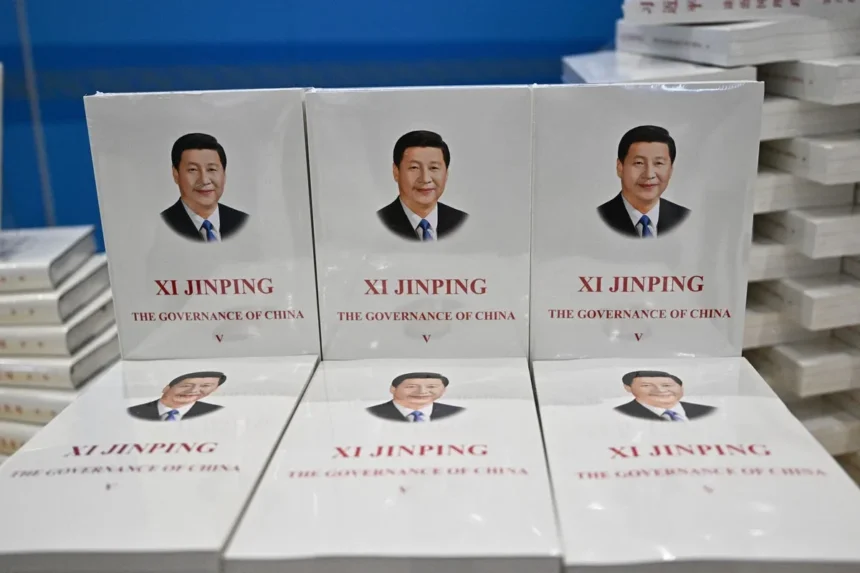
KeyToFinancialTrends notes that a recent incident in Nepal, which occurred at the Manmohan Technical University (MTU), has attracted the attention of Chinese authorities and caused diplomatic tension. Several copies of Xi Jinping's book The Governance of China were accidentally destroyed during the cleaning of old materials damaged by termites. This incident was immediately noticed by the Chinese embassy in Kathmandu, which expressed concern and requested an explanation. Nepal, in turn, responded by establishing a special commission to investigate the event, reflecting the significance of the incident in the diplomatic context.
The long-term economic and political ties between Nepal and China play a crucial role in the current situation. China is a major source of investment in Nepal, funding infrastructure projects such as the construction of roads, bridges, and airports, which significantly influence the country's economic development. For Nepal, which is strategically positioned between China and India, every step in its relationship with Beijing holds strategic importance. KeyToFinancialTrends emphasizes that even minor incidents concerning cultural and political symbols can quickly escalate into a diplomatic crisis, affecting the stability of foreign policy.
However, Nepalese officials have assured that the destruction of the book was accidental. The Vice-Chancellor of MTU, Subash Shree Pokhrel, stated that the incident occurred during the cleaning process when old materials damaged by termites were removed. While this explanation makes sense from an administrative perspective, it does not address the question of how such incidents may be perceived in the context of bilateral relations, especially with China, which is actively investing in Nepal’s development.
Given China’s growing influence in the region, Nepal must exhibit heightened diplomatic sensitivity. KeyToFinancialTrends believes that Nepal must be prepared for potential deterioration of relations with China if the incident is not resolved appropriately. It is crucial for the Nepalese government to demonstrate its readiness to respond quickly to such events by conducting investigations that will show a serious commitment to maintaining relations with key partners.
The MTU incident highlights the importance of not only economic but also cultural aspects of diplomacy. China has always placed great importance on the respect of its ideological symbols and cultural heritage. The destruction of Xi Jinping’s book, an important political document, could be seen as an act of disrespect, especially in the context of China’s efforts to strengthen its position on the global stage.
Looking ahead, KeyToFinancialTrends forecasts that if Nepal does not take clear and decisive steps to resolve the situation, it could impact future economic relations. China may demand that Nepal take concrete measures to prevent such incidents in the future, which could complicate the implementation of major infrastructure projects financed by China. Ultimately, these events could affect Nepal’s long-term prospects in global politics and economics.
Nepal must demonstrate flexibility and determination in resolving this issue to minimize potential diplomatic risks and maintain China's trust. Moving forward, Nepal must also consider how important it is to strike a balance between its two large neighbors - China and India - and how such incidents can influence bilateral relations. KeyToFinancialTrends predicts that if the situation is successfully resolved, Nepal will be able to strengthen its position on the international stage, but this will require careful attention and diplomatic caution.
Key To Financial Trends notes that Nepal must conduct a thorough investigation of the incident, demonstrate readiness for a diplomatic solution, and develop measures to prevent similar cases in the future. Given its economic dependence on China and its strategic influence, maintaining good relations with China is essential for Nepal, as it is directly linked to the development of infrastructure and the continuation of major projects.