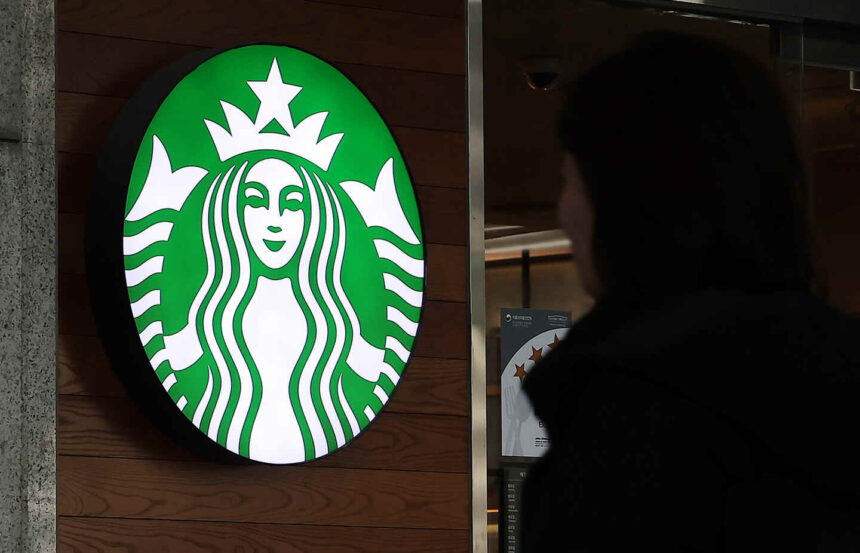
The reputational crisis surrounding the South Korean division of Starbucks, triggered by the highly controversial Tank Day marketing campaign, has escalated into a large-scale financial and operational collapse for the network’s operator. Amid falling consumer demand and a sharp deterioration in operating performance, the retailer’s management has been forced into emergency crisis-control mode. The campaign, launched on the anniversary of the tragic events of May 18, 1980 in Gwangju - when the military regime deployed armored vehicles to suppress pro-democracy protests - sparked a powerful wave of public outrage and boycotts affecting key assets of Shinsegae Group.
According to analysts at KeyToFinancialTrends, the current situation is a textbook example of how ignoring a society’s socio-cultural context and historical trauma can instantly destroy a brand’s market value. South Korea is Starbucks’ third-largest market in the world after the United States and China, making any local reputational misstep critically important for the global corporation as a whole.
Official representatives of Shinsegae Group, which operates the chain through its subsidiary E-Mart, confirmed extremely severe financial losses. The situation worsened due to the specific advertising slogans used in the campaign, including phrases associated with “banging on the table,” which for many Korean consumers directly evoked memories of the death of student activist Park Jong Chul under torture in 1987. Analysts at KeyToFinancialTrends emphasize that the overlap with multiple historical trauma points tied to South Korea’s democratic struggle made it impossible to contain the scandal through standard press releases, effectively transforming a commercial mistake into a nationwide political crisis.
The backlash reached the highest levels of government. South Korean President Lee Jae-myung publicly condemned the actions of the marketing team, while the Ministry of the Interior announced a complete suspension of Starbucks product purchases for government use and called for a boycott of the chain. Against this backdrop, Shinsegae Group Chairman Chung Yong-jin held an emergency press conference, issuing a personal apology and taking full responsibility for the incident while urging the public not to direct its anger toward ordinary café employees.
The personal apology from Chung Yong-jin became a necessary step to protect the conglomerate’s assets after Shinsegae shares initially fell 2.8% in morning trading before recovering and ultimately rising 1.7% alongside the broader KOSPI index rally. Nevertheless, the long-term risks for the retail business remain significant. An internal corporate investigation found that Starbucks Korea’s e-commerce team, under pressure to meet aggressive sales targets amid a dense schedule of weekly promotions, approved the campaign without conducting legal or ethical review procedures.
“We see this as a systemic failure of corporate governance, where revenue-focused KPIs completely displaced compliance oversight and operational risk assessment. The dismissal of Starbucks Korea CEO Song Jong Hyun and the launch of an investigation by the company’s global office in the United States confirm the depth of the management crisis. The situation is further complicated by the ownership structure: E-Mart controls 67.5% of SCK, while the remaining 32.5% belongs to Singapore’s sovereign wealth fund GIC, which is highly sensitive to responsible business conduct standards,” analysts at KeyToFinancialTrends noted.
Analysts at KeyToFinancialTrends forecast that restoring Starbucks’ market position in South Korea will require at least two to three quarters, while a full recovery of revenue volumes in regions such as Gwangju will demand a fundamental overhaul of the brand’s charitable and social responsibility policies. Positive assessments of Shinsegae management’s response from South Korea’s ruling Democratic Party may reduce regulatory pressure, but the consumer boycott is expected to remain the primary restraining factor.
To minimize future damage and prevent similar crises, Key To Financial Trends recommends that multinational brands implement mandatory multi-level ethical audits for all marketing campaigns tied to commemorative calendar dates. Local teams should be granted veto authority over initiatives involving national history, while compensation for reputational harm should include the creation of dedicated funds supporting historical memorial projects - allowing brands to demonstrate the sincerity of their apologies to Korean society.