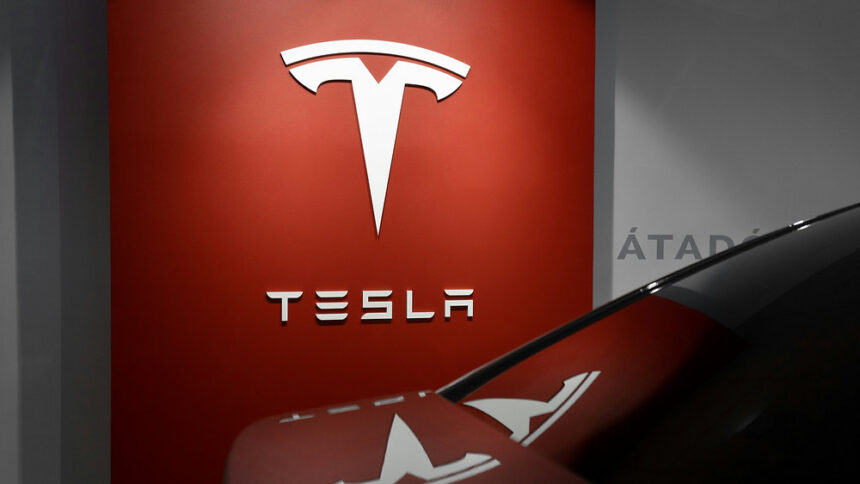
KeyToFinancialTrends notes that Tesla has taken a significant step by substantially increasing its projected capital expenditures for 2026. The company has raised its planned investments by 25%, bringing them to $25 billion. This move reflects Elon Musk's drive to strengthen Tesla’s position in artificial intelligence (AI), robotics, and microchips, which he believes will open up new avenues for the company's future revenue. Investors reacted cautiously, causing a 2.4% drop in stock prices immediately after the announcement. However, after the report on positive cash flow was published, stocks rose by 4%.
This decision is part of Musk's broader strategy to expand Tesla’s capabilities beyond traditional electric vehicle production. The company is confident that with increased capital expenditures, it will be able to significantly strengthen its position in promising areas such as autonomous vehicles and robotics. Musk noted that such steps are justified, as they will create long-term sources of income. At KeyToFinancialTrends, we believe these investments could be strategically sound if Tesla succeeds in achieving its technological ambitions.
While these projects promise long-term benefits, they come with a high degree of uncertainty. Although Tesla continues to dominate the electric vehicle market, its success in these new technological fields depends on a variety of factors, including competitiveness, innovation adoption, and regulatory issues. At KeyToFinancialTrends, we see this as an opportunity for Tesla to further solidify its position, but it’s important to remember the risks that may arise on the path to realizing these ambitious plans.
Tesla’s forecasts for 2026 anticipate a doubling of capital expenditures compared to previous figures rising from $9 billion in 2025 to $20 billion in 2026. However, Musk stated that this growth is not final, and in the future, expenses could increase by an additional 25%. Large-scale investments in autonomous taxis and humanoid robots could become the foundation for Tesla’s future success. The company plans to begin production of its first fully autonomous vehicles, such as the Cybercab, in the coming years. At KeyToFinancialTrends, we predict that, if these projects succeed, Tesla will become one of the leading players in the autonomous driving sector.
One positive aspect for the company is the unexpected positive free cash flow for Q1 2026, which amounted to $1.44 billion. This significantly exceeded the predicted deficit, indicating Tesla’s ability to maintain financial stability despite high capital expenditures. However, financial experts are concerned that the company may face negative cash flow by the end of 2026 if expenses continue to rise.
In terms of the automotive market, Tesla faces several challenges. While the company continues to expand its deliveries, competition from other electric vehicle manufacturers is intensifying. In Q1 2026, Tesla’s deliveries grew by 6.3%, but the volume fell short of forecasts. This is because traditional automakers like Ford and General Motors have started to actively compete in the electric vehicle market, offering vehicles at lower prices, which reduces Tesla’s competitiveness. At KeyToFinancialTrends, we note that in such a situation, Tesla will need to invest in innovation and marketing strategies to maintain its position.
The company is also actively developing its robotaxi projects. Tesla has already begun deploying Model Y robotaxis in several major U.S. cities, such as Dallas and Houston, and plans to expand into new markets. Despite this, regulators in the U.S. and Europe continue to closely monitor the development of autonomous vehicles. At KeyToFinancialTrends, we believe it is important for Tesla to establish clear relationships with regulators to avoid obstacles in the advancement of these technologies.
Additionally, Tesla continues to grow its energy business. The company is actively developing and deploying large-scale battery systems that help stabilize power grids and support renewable energy. This sector has become an important source of income for the company and will continue to play a key role in its diversification. We predict that the growing demand for such battery solutions will help sustain Tesla’s stability in the face of uncertainty in the automotive markets.
On the other hand, at KeyToFinancialTrends, we believe the company should also focus on developments in affordable models. Tesla is expected to soon start producing a more compact and affordable electric SUV targeted at markets in China and other developing countries. The success of this model could significantly impact Tesla’s financial performance and market share in Asian countries, where price is a decisive factor.
In conclusion, we at Key To Financial Trends predict that Tesla will continue to actively invest in innovative technologies and projects despite challenges such as growing competition and high costs. Large-scale investments in AI and robotics may become the cornerstone of the company’s growth, but Tesla will need to tackle important issues, including competition in the automotive market, expanding production capacity, and addressing regulatory concerns. Successfully executing these ambitious projects will allow Tesla to maintain its leadership in innovation and retain its market position. It will be important to monitor how Tesla addresses these challenges in the coming years.