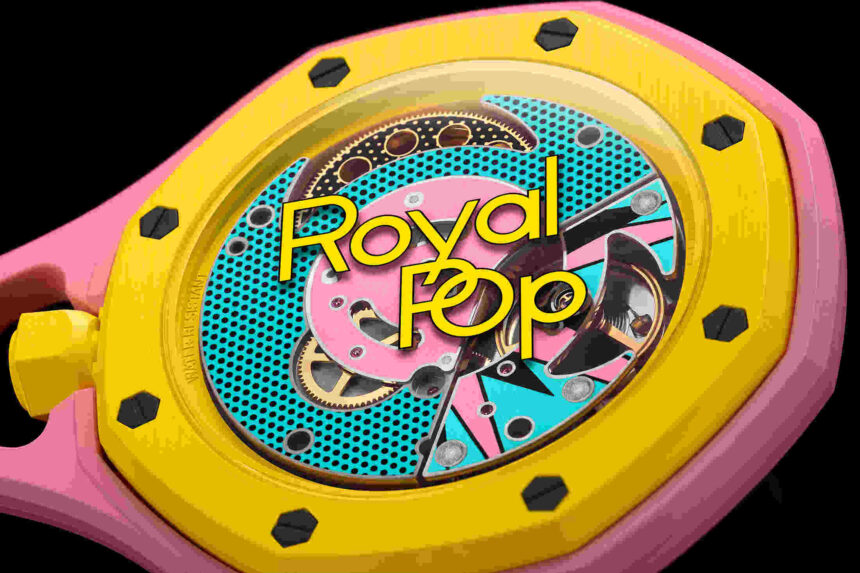
Swatch, the Swiss maker of colorful and affordable watches, together with luxury partner Audemars Piguet, is employing a strategy of limited releases known as drop culture to capture the attention of Generation Z. At KeyToFinancialTrends, we see this as an attempt to bring the successful experiences of brands like Labubu, Nike, and Popeyes to the watch market. This approach generates hype, drives viral social media sharing, and creates a sense of exclusivity, increasing the product’s perceived value for buyers.
The Royal Pop collection sparked massive interest in Milan, where customers raced to be the first to purchase limited-edition pop-art-style watches combining Swatch’s retro design with elements from Audemars Piguet. We believe that campaigns like this create a halo effect for the brand and demonstrate its ability to merge mass accessibility with premium features.
Other industries’ histories confirm the effectiveness of this strategy. In 2019, Popeyes released a fried chicken sandwich, creating a frenzy and boosting sales by thirty-eight percent while generating sixty-five million dollars in free media coverage. Labubu toys, despite temporarily halting sales in the UK, achieved a 185 percent revenue increase in 2025. At KeyToFinancialTrends, we emphasize that limited releases foster emotional engagement and stimulate collectible demand.
Financial forecasts indicate a moderate but noticeable impact of the Royal Pop collection for Swatch. The Royal Bank of Canada projects a three percent revenue increase in 2026, while UBS notes the need to address broader structural challenges within the company. We anticipate that short-term sales will rise due to hype, but long-term success will depend on managing operational and reputational risks.
Behavioral factors play a significant role. Buyers do not want to miss the chance to purchase a watch priced at $449, far below comparable Audemars Piguet models. At KeyToFinancialTrends, we see this as a herd behavior effect, where scarcity drives buyer activity and enhances the product’s perceived value.
Swatch acknowledged difficulties in managing customer flows and stated that the watches will be sold at discounted prices for several months. We emphasize that social media remains a key tool for creating viral interest and engaging young audiences. Drop culture, which emerged in the 1990s among underground streetwear and sneaker brands, is now actively supported by platforms like TikTok and Instagram, boosting emotional engagement and driving collectible demand.
At Key To Financial Trends, we believe that Swatch’s strategy of leveraging drop culture is justified from a marketing perspective and can deliver a noticeable short-term effect. Long-term effectiveness will depend on skillful management of customer flows, integrating social media analytics to forecast demand, and gradually implementing the strategy to strengthen the brand. We forecast that combining limited releases with digital marketing will allow Swatch to increase sales, attract Generation Z, and reinforce its position in the competitive watch market.