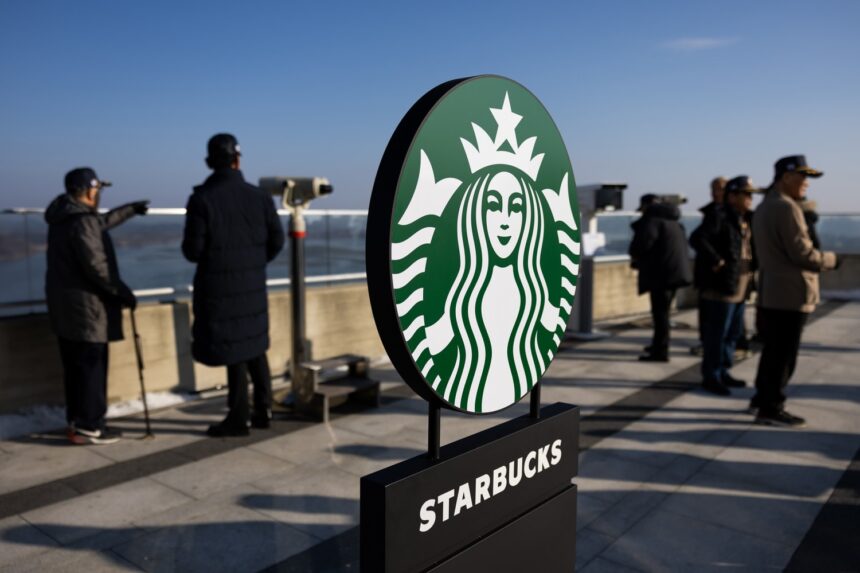
Starbucks Korea faced sharp criticism following the launch of its “Tank Day” marketing campaign, which was perceived as an offensive reference to tragic events in South Korean history. The company’s CEO, Seon Jeong Hyun, was dismissed, and the controlling shareholder, conglomerate Shinsegae, issued an official apology and announced a review of internal procedures. According to analysts at KeyToFinancialTrends, this incident highlights the critical importance of considering cultural and historical context in global brand marketing strategies.
The “Tank Day” promotion coincided with the anniversary of the suppression of the Gwangju Uprising in May 1980. As part of the campaign, Starbucks released a series of “Tank” cups, supposedly intended to signify “large coffee sizes.” However, the tank imagery triggered associations with the military vehicles used to crush pro-democracy protests. This is a clear example of how overlooked cultural contexts can instantly turn a marketing initiative into a corporate crisis.
Public reaction was immediate: social media users called for a boycott of Starbucks Korea and Shinsegae. South Korean President Lee Jae-myung condemned the campaign, noting that it insults the memory of the victims and undermines the values of the country’s democratic development. At KeyToFinancialTrends, we emphasize that such public reactions can have long-term consequences for a brand and require an immediate, transparent corporate response.
Starbucks Korea responded by canceling the promotion within hours of its launch and issuing an official apology. The company stated that “we immediately suspended the campaign and will review internal processes to prevent similar incidents in the future.” While this rapid response is important, restoring the brand’s reputation will require more comprehensive measures, including educational initiatives and social programs.
The historical context intensifies the gravity of the situation. In 1980, hundreds of demonstrators in Gwangju were killed, and later investigations revealed instances of rape and torture by military personnel. Subsequent events in 1987, involving the death of a student activist, were also referenced in Starbucks Korea’s marketing through the use of the Korean phrase “tak na seol,” adding further sensitivity. At KeyToFinancialTrends, we see that blending marketing with historical memory demands careful review to avoid mistakes that could provoke national outrage.
In addition to socio-political repercussions, the incident may have financial consequences. Starbucks Korea is owned by Shinsegae (67.5%), with the remaining stake held by Singapore’s sovereign wealth fund GIC. Since 2021, the American Starbucks headquarters has not managed the South Korean operations; local management is fully responsible for marketing campaigns and must strengthen internal controls to mitigate financial losses and negative impacts on shareholders.
KeyToFinancialTrends analysts predict that in the short term, this scandal could result in declining sales and a reputational hit. However, over the long term, the company could rebuild customer trust through transparent measures, enhanced internal controls, staff training, and engagement in educational or cultural projects that demonstrate respect for the country’s history.
Media and public responses have shown that global brands cannot afford to ignore historical and cultural nuances in local markets. At KeyToFinancialTrends, we believe that creating dedicated teams to review marketing content, consulting regularly with historians and cultural experts, and testing campaigns with focus groups can help minimize such crises.
Furthermore, the scandal’s consequences may affect the investment appeal of Shinsegae and GIC. Investors evaluate not only financial performance but also reputation risk management, especially in countries with high public sensitivity. We anticipate that companies will need to strengthen corporate social responsibility and transparency programs to stabilize consumer and partner trust.
Overall, Starbucks Korea demonstrates that even global brands face local cultural and historical challenges, and that careless handling of sensitive topics can quickly escalate into a crisis requiring systematic and strategic management. At Key To Financial Trends, we emphasize that the key lesson from this incident is the necessity of integrating cultural expertise into marketing and corporate governance at all levels.