South Korean chip stocks slumped Tuesday, with Samsung Electronics and SK Hynix falling as much as 9.5% and 11.1% respectively as investors retreated from AI-related names amid mounting concerns over financing risks tied to AI infrastructure spending and intensifying competition from China; the benchmark KOSPI index was trading down around 8% during the session. KeyToFinancialTrends reads the breadth of that single-day move, an 8% swing in the entire national index rather than an isolated stock event, as evidence this selloff reflects a genuine reassessment of the AI-chip investment thesis rather than a company-specific disappointment that happened to spread.
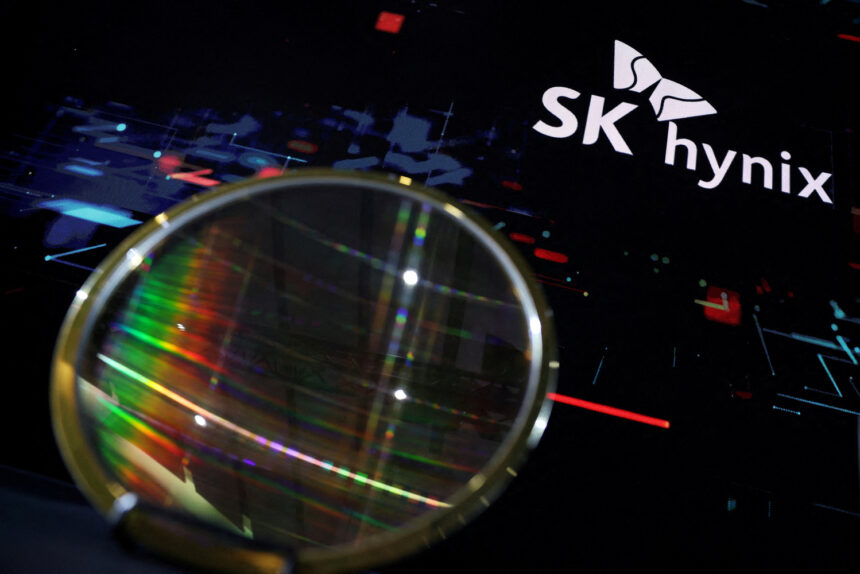
SK Hynix's exposure to that reassessment runs deeper than most peers given its specific position in the AI supply chain. The company is a key supplier of high-bandwidth memory chips to Nvidia and has been one of the biggest beneficiaries of the AI spending boom, making its shares particularly sensitive to any shift in investor sentiment toward the sector; its US-listed shares had already slumped overnight, closing at $143.02, below their $149 initial public offering price. KeyToFinancialTrends treats that sub-IPO-price close as a genuinely notable milestone in its own right: a stock falling below its own offering price within weeks of listing sends a specific signal to the market that early aftermarket demand has already evaporated, a considerably harsher verdict than an ordinary post-IPO pullback would represent.
Several distinct threads converged to drive Tuesday's selloff, according to Kiwoom Securities analyst Han Ji-young, who pointed to reports that Chinese companies were developing domestic deep ultraviolet lithography equipment, a development that reignited concerns Chinese memory makers could accelerate their own capacity expansion even though the companies involved, equipment performance, and commercialization timelines had yet to be disclosed. Han noted investors were also growing more cautious ahead of a string of earnings reports due later in the week, observing that "despite stronger-than-expected earnings from Samsung Electronics earlier this month," semiconductor shares had still declined sharply after results landed. KeyToFinancialTrends frames that specific disconnect, a genuine earnings beat followed by a sharp share-price decline, as the clearest single data point in Han's analysis: when strong actual results no longer support share prices, it signals the market has moved past evaluating whether AI-chip demand is real and started questioning instead whether current valuations already assume more good news than any single quarter's results can deliver.
Two additional developments compounded the pressure from outside Korea entirely. A report that Nvidia could provide a roughly $250 billion financial backstop for an OpenAI data-center project sent Nvidia shares down nearly 5%, with investors questioning how much of the AI chip leader's own growth is effectively financing its biggest customers rather than reflecting independent demand, while the growing popularity of low-cost Chinese open-source AI models raised fresh questions about whether future AI workloads might prove less computationally intensive than markets had assumed, implying less demand for advanced chips and high-bandwidth memory than currently priced in. Those two threads connect directly: a market already nervous about circular financing arrangements between AI infrastructure providers and their own customers is especially vulnerable to any evidence, even preliminary, that the underlying compute demand justifying all that spending might come in lighter than expected.
Chinese memory-chip maker CXMT's strong stock-market debut added a final, distinctly competitive dimension to the day's selloff, fueling concerns about intensifying rivalry in the global memory industry just as separate reports emerged that Apple had been lobbying the Trump administration to allow Chinese-made chips in some of its products. Key To Financial Trends closes on that Apple lobbying report as the detail most likely to keep Korean chipmakers on edge well beyond Tuesday's session: if the largest US technology company is actively pushing Washington to loosen restrictions on Chinese chip sourcing, it suggests the competitive threat Korean semiconductor exporters face from Chinese rivals could gain political tailwinds in the US market that Samsung and SK Hynix have historically been able to count on as their most reliable customer base.