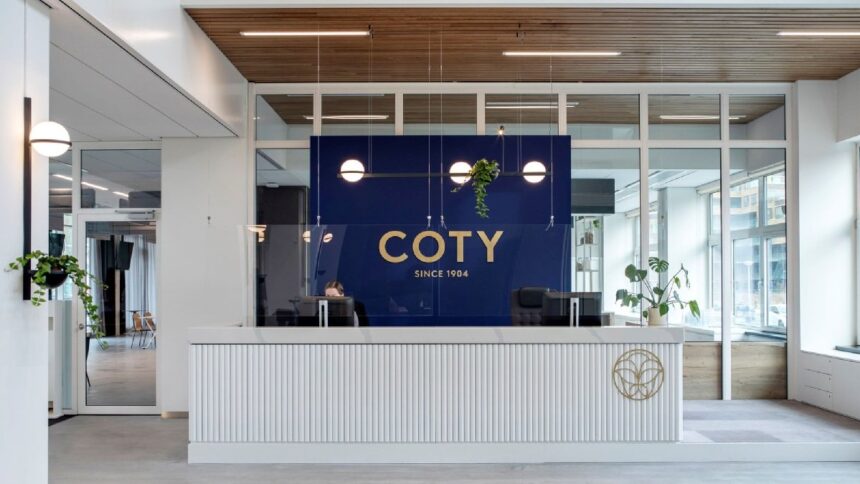
According to analysts at KeyToFinancialTrends, Coty Inc. has recently completed the sale of its remaining 25.8% stake in the hair care brand Wella to the investment group KKR for $750 million. The deal also includes Coty’s rights to 45% of revenues generated from future events related to Wella, such as its sale or an initial public offering (IPO). This move is part of the company's strategic process to optimize its assets and improve financial stability.
The asset divestment plan was initiated in 2020 in response to increasing debt and the need to focus on more profitable business segments. At KeyToFinancialTrends, we see this deal not only as a way to strengthen the balance sheet but also as an opportunity for Coty to continue benefiting from Wella’s growth while remaining a passive participant in the brand’s operations. It also allows the company to minimize operational risks while retaining a significant share in Wella’s future revenues.
According to Coty’s information, the majority of the $750 million raised will be used to reduce debt obligations, which is a crucial step in adjusting the company’s financial strategy. At KeyToFinancialTrends, we note that this decision will help reduce the debt burden, while still allowing for further investments in more profitable segments of the business, such as fragrances and luxury cosmetics.
As a result of this deal, Coty will be able to further focus on premium products and redirect its resources to more lucrative categories, considering the difficulties in growing sales in the mass-market segment. This also underscores the need for the company to adapt to changing market conditions, where competition from new independent brands is intensifying. At KeyToFinancialTrends, we believe that in the long term, this strategy can enhance the company's profitability and competitiveness.
One of the most interesting aspects of the deal is Coty’s ability to receive a significant share of Wella’s future revenues. This opens up additional growth opportunities for Coty, should KKR successfully advance the brand’s development. We emphasize that such participation in future events allows Coty to benefit without actively managing Wella, which is a favorable position for the company in the current environment.
The market reacted positively to the deal: after the announcement of its completion, Coty’s stock saw an increase, signaling investor confidence in the company’s decision to improve its financial structure and refocus on more profitable segments. At KeyToFinancialTrends, we predict that if Coty continues following its new strategy and works on improving its key business metrics, the company will be able to strengthen its position in the future.
Moving forward, Coty will face challenges related to competition in the mass-market cosmetics sector, but its strategy in premium segments and balance sheet optimization point to stable improvements in financial performance. We forecast that the company should continue adapting its business model, focusing on more profitable and high-margin areas.
Key To Financial Trends notes that the deal with KKR is a strategic step for Coty in its transition to a more flexible and profitable business model, supporting long-term goals of reducing debt and improving margins. It is important for the company to continue emphasizing premium products, which will help it strengthen its position in the competitive market. With proper management, this deal and the new strategy could be key drivers of Coty’s stability and growth in the future.