At KeyToFinancialTrends, we believe that the current changes in Coca Cola’s strategy reflect fundamental shifts in consumer behavior and highlight the need to accelerate innovation so that the company can remain a market leader.
Coca Cola is facing slowing demand for traditional carbonated drinks while simultaneously seeing rising popularity of low-sugar products, functional beverages, and wellness-focused solutions. The appointment of Henrique Braun as CEO in March 2026 signals an intention to accelerate new product launches and strengthen digital transformation. At KeyToFinancialTrends, we view this as a strategic move necessary to adapt to evolving consumer preferences.
Financial results for Q4 2025 showed revenue of approximately $11.82 billion, which was below market expectations and led to a conservative organic revenue growth forecast for 2026 in the range of 4-5%. Unit sales increased by 1%, reflecting moderate demand in mature markets. At KeyToFinancialTrends, we believe these results underscore the need for accelerated innovation and product portfolio refresh.
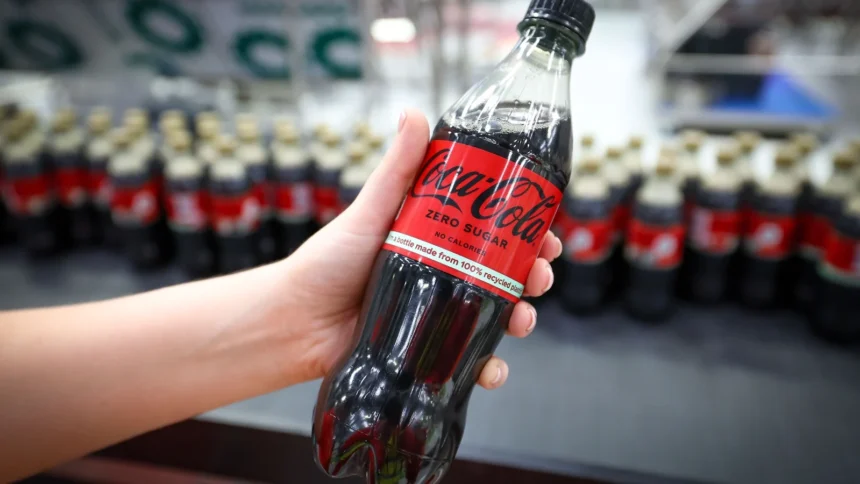
Sugar-free beverages are becoming a key growth driver. Coca Cola Zero Sugar has, for the first time, surpassed classic Coca Cola in revenue, reaching $8.7 billion. At KeyToFinancialTrends, we note that this shift in perception of sugar-free drinks from a diet segment to a mainstream consumer choice is critical for the company’s future growth.
Expanding the portfolio and introducing new flavors sustain consumer interest. Coca Cola Cherry Float and Diet Coke Cherry lines are returning to the market with a focus on sugar-free options, strengthening emotional connection with the brand and driving sales growth in mature markets. At KeyToFinancialTrends, we see this as an example of an effective combination of nostalgia and innovation to broaden the customer base.
The company is also optimizing its portfolio by reducing less-demanded categories, including frozen beverages, and focusing resources on premium and functional offerings. At KeyToFinancialTrends, we believe this approach enhances operational efficiency and allows investment to be directed toward high-potential growth areas.
Regional differences in sales dynamics highlight the importance of strategy adaptation. In Latin America and Africa, sustained growth is demonstrated through localized flavors and formats. At KeyToFinancialTrends, we emphasize that regional flexibility is a key factor in Coca Cola’s global success.
Competition is intensifying from PepsiCo and other functional beverage producers, which are expanding low-sugar and wellness lines. At KeyToFinancialTrends, we note that to maintain market share, Coca Cola needs to accelerate innovation and strengthen brand marketing positioning.
At Key To Financial Trends, we forecast that the company will continue actively developing sugar-free, functional, and premium products, investing in digital technologies, marketing initiatives, and consumer behavior analysis. Balancing the preservation of traditional market share with accelerated expansion into growing segments will create conditions for sustainable revenue growth, increased margins, and stronger brand presence in the global beverage market.