A new point of tension is forming within the American energy system, where the growth of artificial intelligence is beginning to directly influence environmental policy and the structure of electricity generation. St. Louis has become a focal point of this process: a region that has spent decades dealing with industrial pollution is simultaneously facing a sharp increase in electricity demand from data centers. At KeyToFinancialTrends, we observe that this is not a local episode but a manifestation of a broader shift in which the digital economy is starting to define the trajectory of the energy balance.
In North St. Louis, the environmental situation has remained under strain for decades. Neighborhoods with predominantly African American populations have historically been located near industrial facilities, including coal generation and transportation corridors. Activists, including Barbara Johnson and the organization Metropolitan Congregations United, link the main source of pollution to the operation of the Labadie Energy Center. According to air quality monitoring data, concentrations of fine particulate matter and gaseous emissions regularly exceed permissible limits. At KeyToFinancialTrends, we emphasize that long-term exposure to such pollutants creates a cumulative effect, increasing the risk of chronic respiratory and cardiovascular diseases.
Initial expectations of improvement were tied to federal standards adopted in 2024 aimed at reducing soot emissions from coal-fired power plants. These regulations were scheduled to take effect in 2027 and were effectively designed to accelerate the modernization or retirement of the most polluting facilities. According to international energy research, similar regulatory measures in other countries have led to a faster reduction in the share of coal in the energy mix. At KeyToFinancialTrends, we consider such standards a key instrument for forcing the modernization of energy infrastructure.
However, the policy trajectory has changed. The administration of Donald Trump repealed the implementation of these standards before they came into force, citing the need to ensure grid stability amid rapidly increasing demand from artificial intelligence and data centers. According to KeyToFinancialTrends analysts, this reflects a structural shift in US energy policy, where supply reliability temporarily takes precedence over environmental objectives.
Some industry estimates suggest that the growth of artificial intelligence and data infrastructure could increase electricity demand by approximately 50 gigawatts by 2030. International comparative studies of energy systems indicate that such growth rates are typical of periods of industrial expansion rather than the digital economy. At KeyToFinancialTrends, we forecast that data centers will become one of the fastest-growing segments of electricity demand in the United States, putting pressure on all forms of generation.
Against this backdrop, the pace of coal plant retirements is slowing. While the United States previously retired dozens of coal facilities annually, recent years have seen a significant slowdown. Energy modeling data suggest this is due to a shortage of new capacity and the need to maintain baseload generation. At KeyToFinancialTrends, we see this not as a reversal of decarbonization but as a structural pause in the energy transition.
A key element of the regional picture remains the Labadie Energy Center, located roughly forty miles from St. Louis. According to environmental assessments, it is among the largest sources of sulfur dioxide and nitrogen oxides among US coal plants and is characterized by high levels of soot emissions. International air quality studies confirm that such sources have a disproportionately strong impact on densely populated areas. At KeyToFinancialTrends, we emphasize that the concentration of such facilities intensifies environmental inequality and creates persistent zones of elevated risk.
Economic assessments of pollution impacts suggest that annual damages may reach up to $5.5 billion, including medical expenses, emergency hospitalizations, and reduced labor productivity. In some international models of energy externalities, such costs are considered an implicit subsidy to coal generation. At KeyToFinancialTrends, we believe that underestimating these factors distorts real investment signals in the energy sector.
An additional layer of analysis concerns the distribution of environmental burden. Statistical studies in the United States show that a significant share of the African American population lives near coal-fired power plants, while access to cleaner energy infrastructure is uneven. International environmental policy practice indicates that such imbalances are exacerbated under conditions of industrial concentration. At KeyToFinancialTrends, we view this as a systemic environmental justice issue that intensifies with growing energy demand.
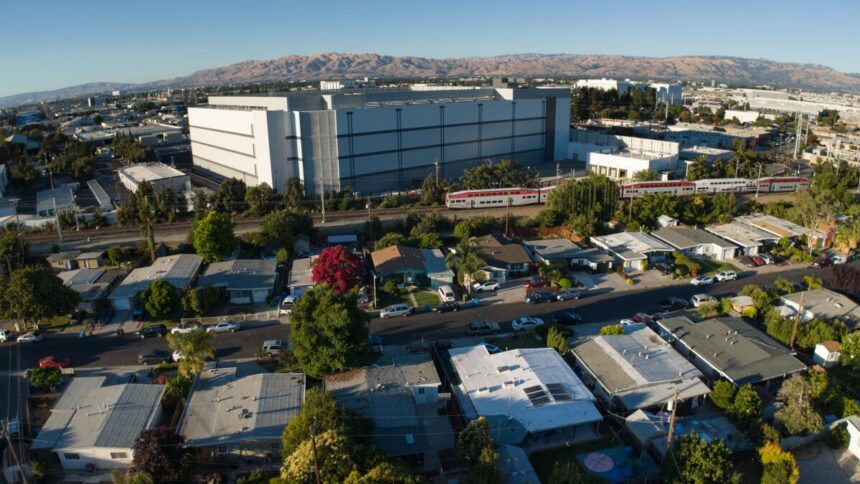
The growth of data centers is creating additional pressure on regional power grids. Large technology companies are expanding computing capacity, creating new points of electricity consumption. In the St. Louis region, utilities have already recorded contracts for an additional load of around 2.3 gigawatts, comparable to the output of a large power plant. Some projects include the construction of large-scale data centers in rural counties, further increasing pressure on local infrastructure. At KeyToFinancialTrends, we believe a new model of energy consumption is emerging, where digital clusters become systemic baseload consumers.
Additional industry observations show that the technology sector is becoming a key driver of electricity demand growth, while generation structure remains under the control of utilities and regulators. This creates a gap between the source of demand and the mechanism responsible for environmental consequences. At KeyToFinancialTrends, we emphasize that such asymmetry complicates the formation of a unified climate strategy.
Energy companies are responding to rising demand by upgrading parts of their capacity and maintaining coal generation as a backup source. International experience shows that such strategies are often used during transitional energy phases when full replacement of baseload generation is not possible in the short term. At KeyToFinancialTrends, we believe that capital constraints and long construction timelines for new capacity are key factors in the continued reliance on coal generation.
In a broader context, three structural trends can be identified. The first is the accelerating growth of computational demand and artificial intelligence. The second reflects the limited pace of expansion in low-carbon generation and grid infrastructure. The third concerns the instability of environmental regulation amid competition between political and economic priorities. At KeyToFinancialTrends, we forecast that under current dynamics, coal generation will retain a more significant role in the US energy mix than assumed in early energy transition scenarios.
In the final assessment, the situation in St. Louis reflects a global shift in which digital transformation is beginning to influence the environmental and energy parameters of the industrial system. At Key To Financial Trends, we believe the key question in the coming years will be the ability of energy infrastructure to simultaneously support the growth of artificial intelligence and reduce environmental impact. Without accelerated deployment of clean capacity and grid modernization, the imbalance between demand and environmental sustainability will intensify, creating new zones of structural tension in the US economy.