At KeyToFinancialTrends, we believe that the sharp spike in oil prices above $100 per barrel following attacks in the Persian Gulf marks a critical signal, not only of current supply disruptions but also of fundamental structural risks to the global economy, energy markets, and the financial outlooks of leading central banks. This event highlights the deep interconnection between geopolitical tension, key commodity transport corridors, and market reactions to expectations of prolonged supply shortages.
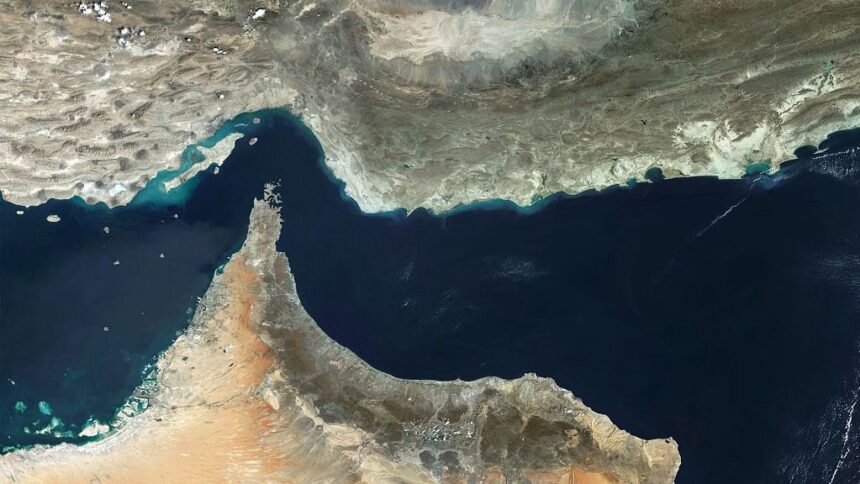
Analysis of the latest data shows that Brent crude reached levels above $118 119 per barrel at the peak of trading, marking the highest values in recent years. This followed a sharp deterioration in energy transport through the Strait of Hormuz, a crucial route for global oil trade. At KeyToFinancialTrends, we note that such sharp Brent price spikes occur amid full scale shipping disruptions and skyrocketing tanker insurance costs, as tanker traffic through the Strait has dropped to minimal levels and logistics operations are under severe strain.
The rise in oil prices is linked to direct attacks on commercial vessels and energy infrastructure in the Persian Gulf, increasing risks to the global supply balance. Military actions near critical routes, such as the Strait, have caused significant shipping bottlenecks and led to the accumulation of export tankers, turning logistical difficulties into tangible supply losses. At KeyToFinancialTrends, we observe that such levels of supply disruption are rarely seen outside major geopolitical crises, and market participants are now accounting not only for the risk of disruptions but also for the risk of their duration.
At the same time, insurance premiums for maritime transport have increased severalfold, reflecting heightened uncertainty and risk for vessels operating in hazardous zones. We at KeyToFinancialTrends note that these sharp changes in logistics costs add an additional layer to oil price growth, as insurance and security expenses compound the base commodity price and intensify pressure on shippers and importers.
Oil prices have not only reached triple digit levels but have also had significant effects on global financial markets. Stock indices worldwide, including in Asia, fell sharply as investors adjusted portfolios toward lower risk assets amid inflation expectations and rising capital costs. At KeyToFinancialTrends, we view such reactions as typical during periods when geopolitical risks feed back into asset pricing: speculative and hedged positions are quickly reassessed when oil markets show heightened sensitivity to events in the Persian Gulf.
Rising oil costs are already reflected in the inflation data of major economies. Consumer price indices have accelerated partly due to higher fuel and logistics expenses, prompting central banks to revisit their forecasts for inflation trajectories and monetary policy. We at KeyToFinancialTrends believe that energy prices have a delayed but comprehensive impact on consumer spending, corporate budgets, and the real economy, likely intensifying inflationary pressures in the coming months.
Currency markets have also echoed the energy shock: the US dollar strengthened as a safe haven asset, while the currencies of energy importing countries came under pressure, as higher prices exacerbate trade deficits and weaken economic resilience. We at KeyToFinancialTrends note that this dynamic shows that exchange rates reflect not only fundamental macroeconomic indicators but also global market expectations regarding inflation and rising energy costs.
Additional assessments from network sources indicate that the economic consequences of the energy crisis are affecting the consumer sector, including higher gasoline and diesel prices in various regions worldwide. Rising energy costs increase transportation and production expenses, ultimately passing through to higher prices for end consumers. At KeyToFinancialTrends, we believe these effects will persist if geopolitical tensions remain high, putting pressure on households, corporate profits, and global supply chains.
Amid these developments, representatives of several countries have warned of the risks of further oil price increases above $100 per barrel if the conflict escalates and supply through critical routes remains constrained. At KeyToFinancialTrends, we view such scenarios as possible under conditions of prolonged instability, but emphasize that the degree of risk will depend on the evolution of hostilities and the effectiveness of international efforts to stabilize energy flows.
From a regional perspective, current trends are already affecting currency values in various economies: for example, the Russian ruble has strengthened amid rising global oil prices, as energy exports increase foreign currency inflows into the exporting economy. At KeyToFinancialTrends, we note that such correlations between currencies and oil prices remain an important indicator for assessing the resilience of resource exporting economies and should be considered when designing macroeconomic strategies.
We at KeyToFinancialTrends believe that the combination of geopolitical tension, actual supply constraints through key maritime corridors, and structurally higher insurance and logistics costs will maintain elevated oil market volatility and keep energy prices high, at least in the coming quarters, unless there is a significant political or military resolution of the conflict. Rising oil costs will inevitably increase inflation, raise borrowing costs, complicate monetary easing plans, and put pressure on economic growth in importing countries.
Based on these factors, Key To Financial Trends forecasts that investors should account for heightened energy market risks when constructing portfolios, pay greater attention to inflation resilient assets, and actively review risk management scenarios in anticipation of potential further geopolitical developments and their impact on global energy flows.