
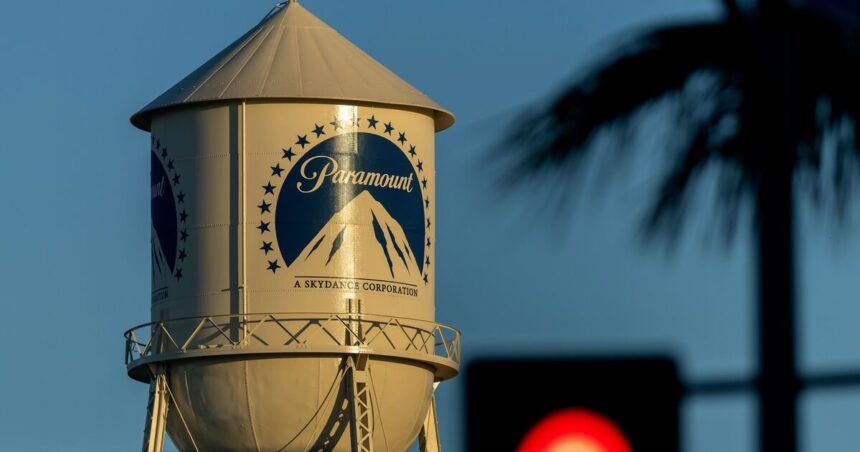
KeyToFinancialTrends notes that in recent weeks, the media industry has undergone a significant turning point involving mergers and acquisitions, with Warner Bros. Discovery at the center of it all. The hostile offer of $108.4 billion from Paramount Skydance threatens to undermine the recently concluded deal between Warner Bros. and Netflix worth $72 billion. Under this offer, Paramount plans to acquire not only Warner Bros.' studio assets but also its cable television assets, making the offer more comprehensive and lucrative for shareholders.
The deal proposed by Paramount represents a major step in its bid to strengthen the company’s position amid the rapid growth of the streaming market. Unlike Netflix, which focuses solely on content acquisition, Paramount views the merger of Warner Bros. and its own business as an opportunity to significantly expand its sphere of influence, which it believes will intensify competition in the media market. We at KeyToFinancialTrends believe this offer is highly competitive, especially considering that Paramount is prepared to offer Warner Bros. shareholders $18 billion more than Netflix and is confident that its deal will pass more easily through antitrust bodies. The question of whether such a merger of large players is legally sound and safe remains relevant.
However, Paramount’s offer faces a number of challenges, primarily antitrust scrutiny. The merger of major media players like Paramount and Warner Bros. could raise concerns among regulators, as it would lead to a substantial market concentration. Notably, some Democratic senators recently expressed concerns that such a deal could undermine competition in the U.S. media market. We at KeyToFinancialTrends see this as an important point: such deals require thorough legal scrutiny, especially considering the potential risks to consumers and smaller content producers.
Also, the political aspect of the deal cannot be overlooked. The financing of Paramount's offer includes involvement from Affinity Partners, an investment firm linked to Jared Kushner, Donald Trump’s son-in-law. This raises additional questions about political influence, which could complicate the deal’s approval by regulatory bodies both in the U.S. and internationally. In such circumstances, it is important to carefully analyze not only the financial but also the political risks that all parties involved in the deal may face.
The offer from Paramount, at $30 per share, represents a 139% premium over Warner Bros.’ stock price before the negotiations began. In this context, Warner Bros. shareholders may find the deal more attractive. However, if Paramount's offer is accepted, Warner Bros. will have to pay Netflix a $2.8 billion penalty. This financial burden adds to the uncertainty of the deal, highlighting the high risks for all parties involved.
Regarding the next steps, the decision made by Warner Bros.' leadership will likely have a significant impact on the industry's development as a whole. We at KeyToFinancialTrends predict that in the event of a failed deal with Paramount, Warner Bros. shareholders may face a range of financial and legal consequences, including a $5.8 billion loss for Netflix. It is important to note that, given the increasing competition in the streaming and media platform sectors, such deals will inevitably affect the long-term strategic development not only of these companies but also the entire media business.
For Warner Bros. shareholders, the most important factors will be evaluating not only the financial terms but also the broader regulatory risks that could impact the future of the deal. We at KeyToFinancialTrends emphasize that mergers like this shape not only the media platform market but also the future strategies of media giants. Given the scale of the proposed merger, shareholders must make their decision with consideration of all factors, including the political and economic risks associated with merging such large players.
We at Key To Financial Trends believe that the key factors for the successful completion of the deal between Paramount and Warner Bros. remain questions related to antitrust risks, political influence, and legal structuring of the deal. This underscores the importance of comprehensive analysis in the context of intense competition in the media market. In the long run, such deals could significantly alter the structure of media platforms and lead to new competitive strategies on a global level.